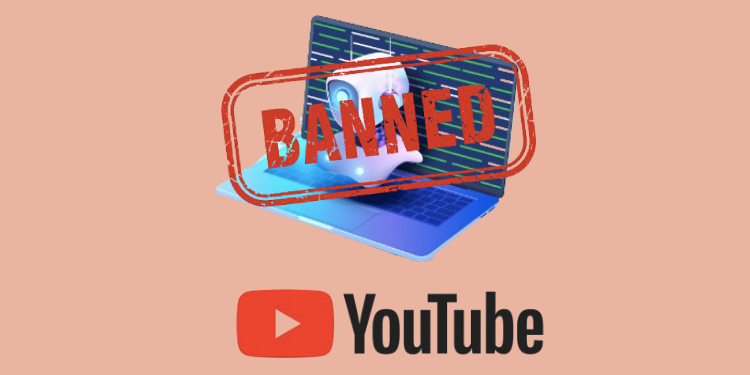
YouTube will implement a significant change to its monetization policy starting July 15, 2025, as it moves to demonetize videos that rely heavily on artificial intelligence. The platform’s updated rules, part of a broader revision of the YouTube Partner Program (YPP), are intended to address growing concerns around inauthentic content, misinformation, and brand safety.
The policy targets videos where the primary visuals or audio are produced by AI with minimal human contribution. This includes fully AI-animated clips, synthetic voiceovers, deepfakes, and videos that simulate real people or events using generative tools. AI-created music, fictional interviews, and fabricated news reports also fall under this definition.
This crackdown follows a rapid surge in the use of generative AI tools that enable creators to produce vast amounts of video content quickly and at low cost. While this has opened doors for experimentation and accessibility, it has also led to a proliferation of “AI slop” — low-quality, repetitive, or misleading videos that flood the platform and often lack editorial oversight or originality.
YouTube’s update reinforces its long-standing emphasis on originality and authenticity in monetized content. While creators were previously required to meet these standards, the new policy introduces more explicit criteria for what constitutes inauthentic content, especially in the context of AI-produced media.
Among the growing concerns are copyright violations, deceptive narratives, and misuse of real people’s likenesses through deepfake technology. Viral AI-generated news hoaxes, fictional crime documentaries, and mass-produced commentary videos have raised red flags with viewers, advertisers, and regulators alike.
The policy change comes as YouTube faces increasing scrutiny over the integrity of content shared on its platform. With advertisers seeking brand-safe environments and viewers demanding trustworthy content, the platform’s reputation hinges on ensuring quality and credibility.
While the exact language of the updated monetization guidelines has not been made public yet, creators are being urged to reassess their content strategies ahead of the July deadline. The move signals a broader industry shift toward clearer governance of synthetic media and its place in digital content ecosystems.
As platforms like YouTube refine their standards, the balance between technological innovation and content accountability is expected to remain a central theme in shaping the future of online media.