Bengaluru: In a powerful stride toward making sport more inclusive and empowering for women, Sisters in Sweat (SIS)—India’s largest women-only sports and wellness community—has announced a multi-year partnership with Nike, one of the world’s leading athletic brands.
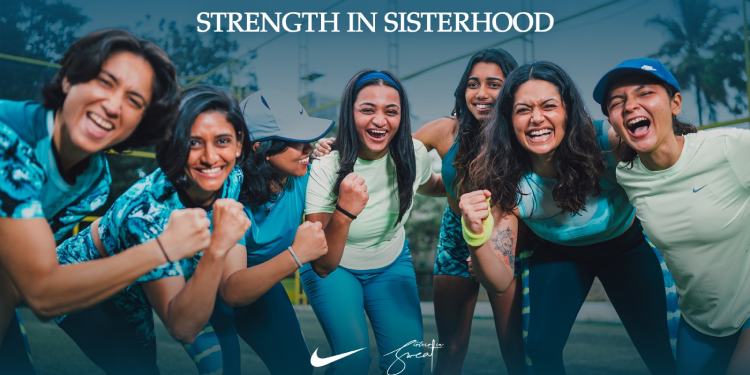
Founded in 2017 by Swetha Subbiah, fitness coach and Nike-certified trainer, and Tanvie Hans, the first Indian-origin woman to play for English football clubs Tottenham Hotspur and Fulham Ladies, Sisters in Sweat was created to provide a safe and supportive space for women to connect through sport. Today, the community has grown to over 10,000 members across Bengaluru, Mumbai, Delhi-NCR, and Hyderabad, fostering an environment where women can engage in fitness and well-being without judgment.
The announcement follows the success of Nike’s After Dark Tour, a global race series and the largest Women’s 10K race in India, further solidifying the brand’s intent to support women-led fitness movements.
“Sisters in Sweat is a shining example of the power of women coming together through sport,” said Tarundeep Singh, General Manager, Nike India.“At Nike, we’re committed to fuelling continued movement, joy and community for women across India, and we are proud to partner with Sisters in Sweat to help make that vision real, and move the world forward through the power of sport.”
Through this partnership, Nike will support SIS initiatives across multiple cities, providing footwear, apparel, and sports expertise to help create more access and visibility for women in sport. The collaboration will kick off with a multi-city football tournament, aimed at engaging more women in grassroots-level sports participation.
“This partnership feels like a full-circle moment,” said Swetha Subbiah, SIS co-founder and long-time Nike ambassador. “I’ve been a Nike trainer for over a decade, and to now build something this meaningful with them—something that reaches thousands of women across India—is incredibly special. We’re building a powerful, active community of women who are taking ownership of their space in sport.”