Fitelo, a tailored platform for weight loss, disease management, and fitness management, recently appointed Milind Soman as its new brand ambassador as part of a rebranding initiative. This is a step in promoting wellness and long-term health. With Soman, Fitelo emphasises that ‘health has no shortcuts”.
With him on board, Fitelo is looking to differentiate itself from fad diets and quick fixes by focussing on sustainable, long-term results. At the age of 59, with his consistency, natural living, and perpetual energy, Milind proved that true health comes from everyday choices, not quick tips. Fitelo, which won support on Shark Tank Season four, has already impacted 1.2 crore lives in 70+ countries following the same principle, providing personalized nutrition and fitness instruction to help people form long-term habits.
As a part of this collaboration, Fitelo will soon launch a series of campaigns with Soman, including ‘Lose2Win’, where customers who achieve the best transformation will be rewarded with 100% cashback every week. It reflects Fitelo’s belief that health is the best investment you can make, and now, it even pays you back.
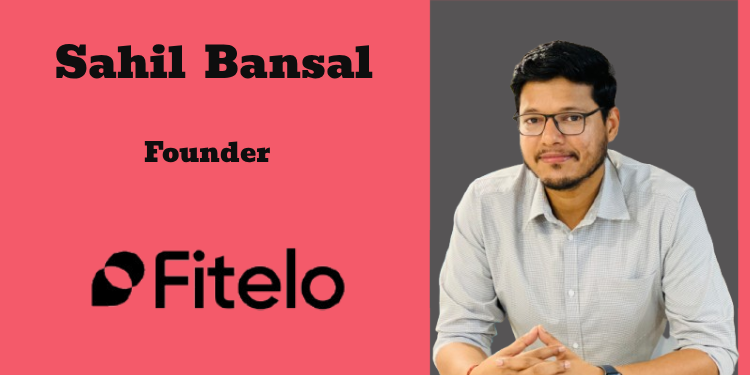
MediaNews4u.com caught up with Sahil Bansal Founder Fitelo
Q. What is the gap in the market that led to the launch of Fitelo?
India has always had two extremes: on one side, traditional wisdom about food and lifestyle; on the other, modern fads promising shortcuts. But there was very little that merged science, psychology, and cultural context into something practical. Most solutions were either unsustainable diets or expensive fitness regimens.
The gap was obvious—people needed a way to get fit that respected their everyday life, their food, and their limitations. Fitelo was born to fill that gap. We don’t sell magic formulas. We build tiny, repeatable habits that add up over months and years. Health isn’t a pill you take—it’s a lifestyle you practice.
 Q. Fitelo is differentiating itself from fad diets and quick fixes by focusing on sustainable, long-term results. What does this entail?
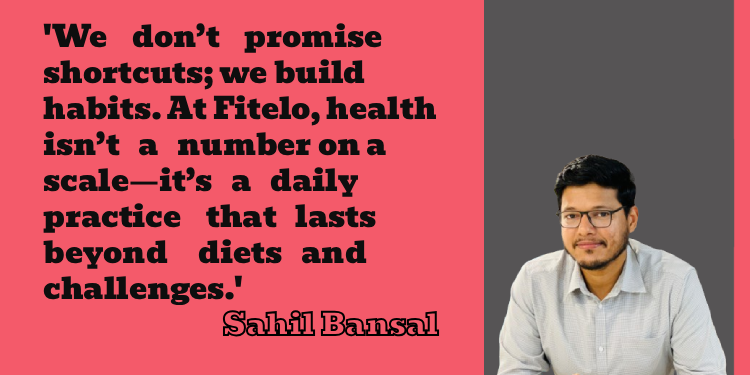
It means we don’t chase short-term outcomes at the cost of long-term health. Fad diets make you lose weight quickly, but they don’t teach you how to live better. At Fitelo, we help people learn balance—how to enjoy Indian food, how to navigate celebrations, how to eat with family, and still stay on track.
Every client has a personal coach, but behind them sits technology—data on nutrition, stress, sleep, and activity that allows us to design personaliSed interventions. Sustainable results are simply a by-product of living better each day, not punishing yourself for a number on a scale.
Q. According to data analytics, where is the whitespace for growth? Which markets are being targeted both in India and abroad?
Our data shows two clear gaps. In India, Tier-2 and Tier-3 cities are underserved. People there want guidance, but they’re flooded with misinformation. Fitelo brings credible, affordable, and coach-led programs directly to their phones.
Abroad, the whitespace is among NRIs and the Indian diaspora. They want fitness programmes rooted in Indian food and lifestyle, not Western templates. We already have users across 70+ countries, and the response shows that culturally relevant health solutions are the biggest untapped opportunity.
Q. From a marketing perspective, what are the priorities and focus areas of Fitelo?
Our marketing is not about noise; it’s about clarity. We prioritize education over gimmicks—debunking myths about carbs, protein, fasting, and supplements.
We focus on building trust by sharing real customer stories, real transformations, and simple tips anyone can use. Community is a huge part of our strategy; when people see others like them succeed, they believe they can too. And finally, our founders, coaches, and now Milind Soman, are the faces of the brand—because authenticity sells better than any ad.
 Q. Milind Soman is now Fitelo’s Brand Ambassador. Since he is passionate about fitness, will that bring authenticity to the brand message?
Absolutely. Milind is 59, and yet he lives the lifestyle most 30-year-olds aspire to. He’s proof that consistency matters more than shortcuts. When he says “health has no shortcuts,” it doesn’t sound like a tagline; it sounds like lived wisdom.
That alignment makes the partnership authentic. People can see he isn’t selling a product—he’s sharing a philosophy that he himself practices.
Q. Could you talk about the campaigns that are being done with him, including ‘Lose2Win’?
‘Lose2Win’ is our flagship programme with Milind. Every week, people who achieve the best transformations get 100% cashback. The idea is simple: health is the best investment you can make, and now it even pays you back.
Beyond that, we’re building digital films, live sessions, and challenges inspired by Milind’s lifestyle. The focus is not on glamour, but on making people see fitness as joyful, consistent, and long-lasting.
Q. Is the rebranding initiative aimed at improving brand perception?
It’s deeper than perception. Rebranding for us is about clarity. We’re saying openly what we’ve always believed—fitness is a lifelong journey, not a four-week challenge.
Our new identity, logo, and ambassador don’t just look fresh; they reinforce our mission. The goal is not to appear different; it’s to stand firm in what makes us unique.
 Q. To what extent will marketing be about education and correcting misconceptions?
To a very large extent. The fitness industry thrives on confusion—detox teas, crash diets, supplements. Our role is to cut through the noise and say: you don’t need extreme measures, you need simple, consistent habits.
Education is the marketing. Correcting misconceptions is how we build trust. When people see value in our free advice, they naturally turn to us for deeper guidance.
Q. In terms of the media mix will digital be the main focus or will traditional media like TV, print also play an important role?
Digital is our foundation—it allows precision, engagement, and community-building. That’s where people track health and interact daily. But traditional media still has its place.
TV and print give reach and credibility, especially in markets where families consume information together. For key campaigns and brand moments, we will use a balanced mix. Think of digital as the engine and traditional media as the amplifier.
Q. Fitelo was rejected in the first two seasons of ‘Shark Tank India’ when their turnover was Rs 1 crore and Rs 4 crore, respectively. Now, with a projected revenue of Rs 100 crore, they returned with a stronger pitch. Could you talk about the experience?
Rejection is feedback. The first time, we were passionate but unproven. The second time, we had traction but not scale. We learned, improved, and kept going.
By the time we returned, we had sharper economics, stronger outcomes, and a bigger story to tell. The rejection seasons were part of our education; the acceptance was validation. Every entrepreneur should treat rejection as tuition—it’s expensive, but it teaches what no book can.
Q. How has being on a show watched by millions helped boost brand awareness?
It has been a catalyst. Overnight, we went from being known in digital circles to being recognised in living rooms across India.
Tier-2 and Tier-3 cities especially saw a huge spike in awareness because TV still has a massive influence there. Beyond awareness, it gave credibility. When millions watch you get validated on national television, it removes doubt in people’s minds. They trust you faster.
Q. Namita Thapar and Vineeta Singh have partnered with the company as investors. What do they bring to the table?
We are in discussions yet, but we cannot share details at this stage. What we can say is that the conversations so far have been very encouraging, and there is strong alignment of vision around making health and wellness accessible to everyone.
 Q. What role is AI playing for Fitelo when it comes to product innovation?
AI is like a silent partner in everything we do. It helps us personalize diet plans to cuisines, preferences, and even medical conditions. It predicts when someone might relapse and nudges them back on track.
It gives our coaches insights so they spend less time crunching data and more time motivating clients. But AI doesn’t replace the human—it amplifies the human. Our coaches bring empathy; AI brings intelligence. Together, they make the experience seamless.