Kroll, a provider of global financial and risk advisory solutions, recently announced the ranking of India’s most powerful celebrity brands. The results are based on brand values derived from both their brand endorsement portfolios and relative social media presence. The overall brand value of the top 25 Indian celebrities is estimated to have reached $2 billion in 2024, an increase of more than 8.6% from the previous year.
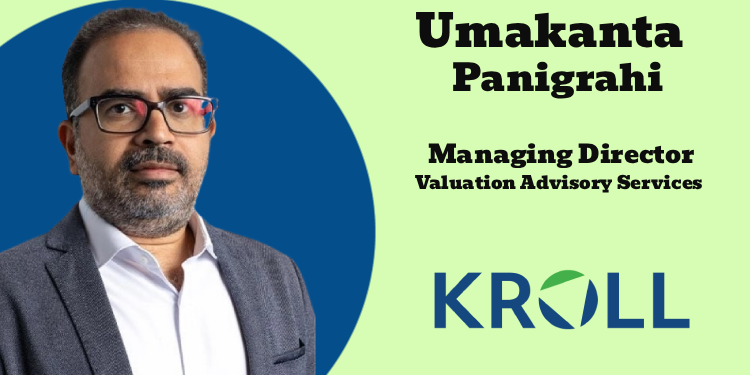
Medianews4u.com caught up with Umakanta Panigrahi, Managing Director, Valuation Advisory Services, Kroll.
Q. Virat Kohli continues to secure the top spot in the 2024 Celebrity Brand Valuation report. Once he fully retires, will his brand value fall, or can he sustain it like Sachin Tendulkar?
Retirement doesn’t necessarily diminish a sportsperson’s brand value, and Virat Kohli appears well-positioned to remain relevant beyond cricket. Alongside his unmatched sporting legacy, Kohli has built a massive digital following of over 380 million in 2024 and diversified into ventures like Agilitas, his sportswear startup.
These moves strengthen his credibility and extend his influence well beyond the pitch. Much like Sachin Tendulkar, Kohli’s carefully curated brand extensions suggest his value will remain resilient even post-retirement.
Q. Tendulkar’s brand value has continued to grow more than a decade after retirement. What makes him so valuable for brands?
Sachin Tendulkar remains a timeless icon, ranking No. 5 in 2024 with a brand value of USD 112.2 million. With 20 active endorsements, a growing social media presence, and multi-generational appeal, he offers brands trust, authenticity, and credibility.
His enduring relevance makes him a preferred choice for companies seeking long-term resonance with Indian audiences.
Q. Beyond cricket, which sportspersons like P.V. Sindhu have grown their brand value, and what challenges do non-cricket stars face in India?
Athletes like P.V. Sindhu and Neeraj Chopra are steadily building strong brand portfolios. Neeraj Chopra, for example, saw his brand value rise ~17% in 2024 to USD 35 million, expanding his endorsement roster to ~18 brands and growing his social media following by ~36% to 11.7 million.
That said, in a cricket-centric country, non-cricket athletes face challenges in commanding mainstream attention. However, global events like the Olympics, coupled with their exceptional performances and digital engagement, have enabled them to carve a meaningful niche in the brand endorsement landscape.
Q. The report notes that a hybrid model is the future for movies. Does a film need to be “special” for families to pay for multiplex tickets rather than wait for OTT release?
Yes. With OTT platforms now competing head-to-head with theatres, audiences are selective about cinema outings. Movies offering scale, emotion, and spectacle; such as Jawan, Pathaan (2023), or Pushpa 2 (2024) continue to drive multiplex visits.
Re-releases of classics like Jab We Met and Tumbbad, which earned ~98% and ~248% of their original box office collections respectively, prove that films with strong storytelling, visual impact, and nostalgia can draw crowds despite OTT availability.
Q. Will cinematic nostalgia grow in importance for multiplexes in the next three years?
Yes. As more films move directly to OTT, multiplexes are increasingly leaning on nostalgia-driven re-releases to revive footfalls. The recent success of classics on the big screen suggests that cinematic nostalgia will remain an important lever for theatres over the next few years.
Q. Will traditional broadcast come under greater pressure from OTT in the next three years?
Absolutely. OTT platforms offer unmatched convenience; vast libraries, personalized recommendations, and anytime-anywhere access; compared to the fixed schedules of traditional broadcast.
As consumer preferences tilt further toward on-demand viewing, traditional TV is likely to face increasing competition and pressure.
Q. The Jio–Star merger was a landmark deal in Indian media and entertainment. Does Kroll expect more M&A in this space, and how will it reshape the landscape?
There has been an increase in M&A trend in this space.
Considering Jio-Star merger, we expect major media brands to chase for scale and content synergies to bolster their reach and brand value – a strategy investors are clearly rewarding. India’s media landscape expects to see some consolidation due to this effect.
Further, looking ahead, we expect continued momentum in M&A, driven by AI-led transformation. Automation in video processing, dubbing, and content creation is unlocking efficiencies and new revenue streams, attracting investor interest in AI-driven media and entertainment companies. This wave of consolidation will reshape the ecosystem, creating larger, more competitive content powerhouses.
Q. There is concern that India will remain a consumer of AI innovations developed abroad. What is Kroll’s view on the Indian AI startup scene?
India has long been a leader in IT services and is now accelerating its focus on AI innovation. The country is witnessing a surge in research initiatives and GenAI-focused startups. In fact, Indian AI startups raised over $500 million in just the first seven months of 2025, reflecting strong investor confidence and momentum in homegrown AI development. While global players dominate LLM creation, India is positioning itself strongly in applied AI innovation.
Q. Are startups moving away from heavy marketing spends as investors tighten purse strings?
Yes. Startups are adopting leaner, more targeted marketing strategies focused on maximizing ROI. Collaborations with Gen Z stars and digital influencers allow them to reach highly engaged audiences at a fraction of the cost of A-list celebrity endorsements.
For example, Lenskart’s influencer-led campaign for its Hustlr Eyewear line effectively reached its core audience while keeping costs efficient. Investor focus is gradually shifting toward sustainable profitability rather than revenue growth driven by heavy customer acquisition spends.