Mumbai: Deepstory has launched as India’s newest UI/UX-led short-video platform, designed to deliver a calmer, more intentional content experience. Born in India and built for global audiences, the platform introduces a topic-first structure that reduces emotional volatility and offers users a focused way to explore ideas and creators.
Deepstory’s interface is built on a simple behavioural flow: swiping left reveals more videos on the same topic, while swiping up introduces a new one. This system shifts the viewing experience from fragmented, mood-shifting content to a more grounded, structured and human-centred journey.
The product’s development began in 2021 with early-stage prototypes and continued through 2022 with formal company formation and R&D. Deepstory launched its beta in November 2024, seeing strong traction until early 2025. When retention dipped due to limitations in the early left-swipe algorithm, the company rebuilt its recommendation engine from the ground up, adopting vector intelligence and external trend signals. Though this reset temporarily reduced user numbers, it significantly improved follow-up video accuracy—now enabling the platform to scale.
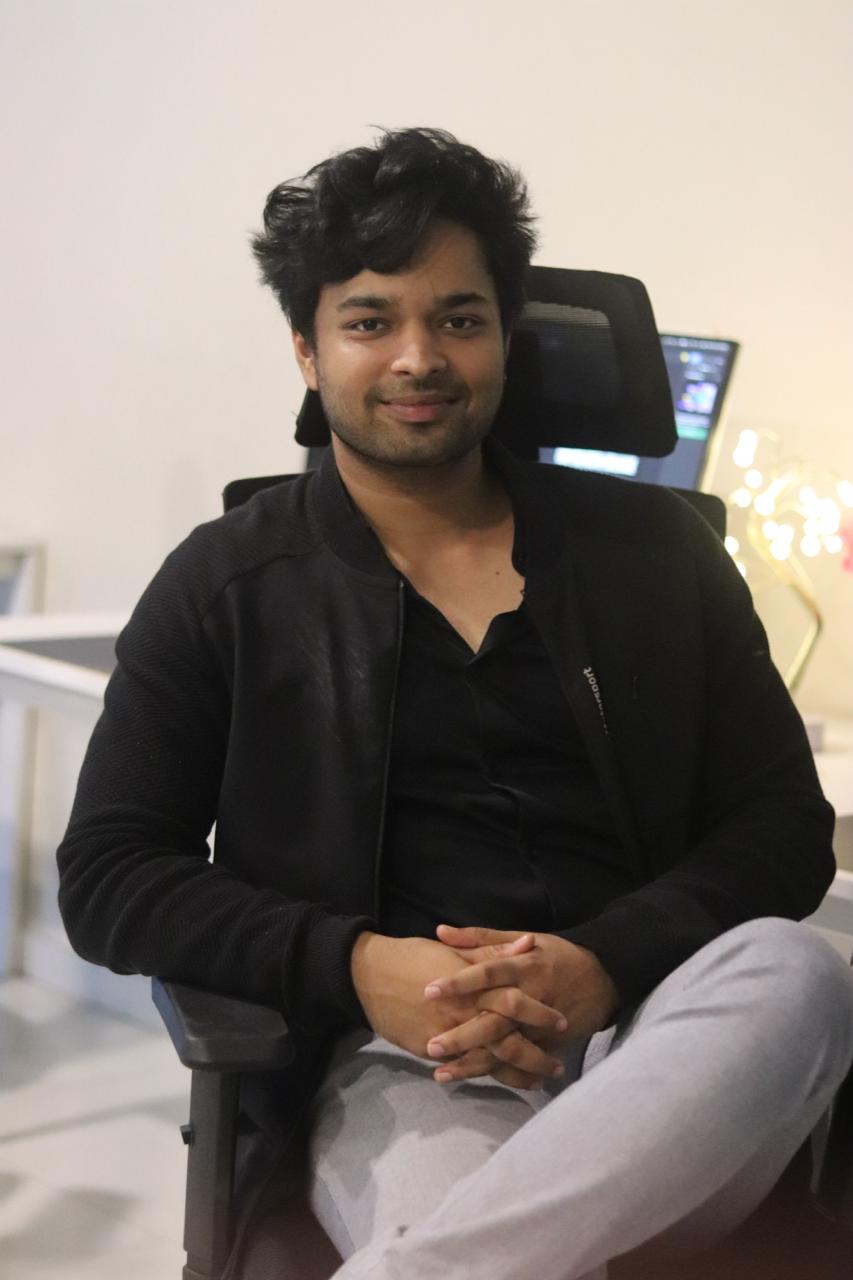
Founder and CEO Raj Aryan Das says Deepstory was designed to counter the emotional turbulence of modern short-video ecosystems. “Short-video apps today throw people from comedy to politics to heartbreak in seconds — it creates emotional whiplash. Deepstory fixes that. A left swipe shows you different creators talking about the same topic from different angles, so you can stay with what interests you instead of being dragged around by randomness. We built Deepstory to make scrolling calmer, intentional, and built for understanding.”
For creators, Deepstory introduces a discovery system anchored in equal access. Each left swipe opens a content slot any creator can win based solely on topic fit, rather than follower count. This approach allows emerging creators to appear alongside established names whenever their content is most relevant. The platform is also developing a creator-first monetisation model, including low-fee tools, brand-collaboration pathways and the upcoming Motion Image format, which adds cinematic movement to still photographs.
On the advertising front, Deepstory is building a pull-based approach that uses intent signals from left swipes to place brand stories inside topic loops where user attention is already concentrated. With contextual advertising projected to grow sharply over the next five years, Deepstory’s topic-led model positions it strongly to capture this shift.
Co-founder and MD Satyabrata Das brings four decades of media expertise to the venture, having held senior roles at ETV, ZEE5, Zee Digital, Mediakeys France and currently Laqshya Media Group. “I believe the timing is perfect. People do not dislike short videos. They dislike the chaos around them. Deepstory brings structure and a sense of mental space. It also gives creators a true level playing field because relevance decides who appears next. For brands, it becomes easier to tell stories when the user’s mind is already on the topic,” said Das.
Deepstory’s early technology investments in sideways storytelling are now being validated globally, as major platforms—including Meta—experiment with linked-post formats. Deepstory’s system differs fundamentally: the left swipe expands a topic to all creators instead of locking users into one creator’s sequence, ensuring open, competitive discovery.
The platform’s vector-intelligence engine maps videos into a dense topic space using metadata, sound, narrative cues and visual elements. Each left swipe triggers a search for high-fit videos based on meaning and mood, while up swipes shift users to fresh themes. This is part of a long-term UX roadmap that will introduce deeper topic-based discovery layers.
Early usage indicators are promising. Nearly 19.7 percent of all homescreen actions are left swipes, suggesting a strong preference for topic-first exploration. Deepstory records a 17.8 percent view-through rate, signalling deliberate rather than passive viewing. Categories like music edits, film edits, informational content, motivational videos and Formula One edits are emerging as top performers.