Mumbai: As Finance Minister Nirmala Sitharaman prepares to present the Union Budget 2026–27 on February 1, India’s gaming and esports industry is looking beyond headline announcements, calling instead for structural recognition, execution-focused policies, and long-term enablement to unlock the sector’s full potential.
Industry leaders say gaming and esports have firmly moved from the fringes of entertainment to becoming integral pillars of India’s digital and creative economy. What the ecosystem now needs is regulatory certainty, differentiated taxation, and targeted fiscal support to scale sustainably and compete globally.
From Entertainment to Economic Engine
Rohit N Jagasia, Founder of Revenant Esports, believes the time has come for the government to view esports through a new lens.
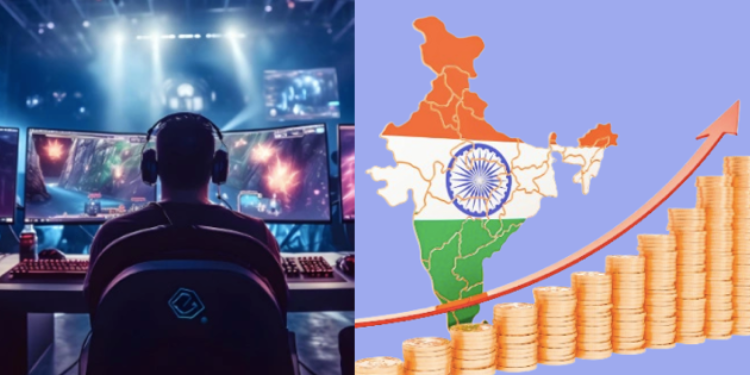
According to Jagasia, the industry expects structural recognition and long-term enablement, rather than being treated as a sub-segment of entertainment. He highlights the need for continuity in policy around skill-based gaming, along with greater clarity on taxation and compliance frameworks. With India’s esports market estimated at around $200 million in 2024 and projected to grow to nearly $1 billion by 2033, he says investments in digital infrastructure, talent development, and export-led growth could significantly accelerate the sector’s trajectory.
Execution-Focused Policy Over Big Announcements
For Akshat Rathee, Co-founder and Managing Director of NODWIN Gaming, Budget 2026–27 represents an opportunity to move from intent to execution.
Rathee is hopeful that gaming and esports will be acknowledged as emerging pillars of India’s digital and creative economy. He calls for fair and differentiated taxation for esports, aligned with traditional sports, easier access to banking and financial services, and targeted funding under the AVGC framework to support Indian game development and original IP creation. With the right mix of export incentives, infrastructure support, and state-level esports events, he believes India can strengthen its global soft power through gaming.
Capacity Building Takes Centre Stage
The passage of the Promotion and Regulation of Online Gaming Act has, according to industry leaders, shifted the conversation from legitimacy to capacity building.
Animesh Agarwal, Co-founder and CEO of S8UL Esports, says Budget 2026–27 offers a timely opportunity for fiscal commitments toward training, infrastructure, and grassroots competition development. He points out that allied sectors such as sports, education, skilling, digital infrastructure, startups, and the creator economy will play a decisive role in shaping the future of gaming and esports.
Agarwal emphasises the importance of investments in training infrastructure, incubation programmes, and R&D hubs to strengthen game development and creative production. He also calls for a dedicated funding focus for gaming within the AVGC framework to enable the creation of globally scalable Indian IPs.
Shifting the Focus from Consumption to Creation
Echoing similar sentiments, Sagar Nair, Head of Incubation at LVL Zero Incubator, says the industry is at a stage where policy must encourage creation, not just consumption.
He underlines the need for regulatory and taxation clarity across mobile, PC, and console gaming to unlock long-term capital and attract global publishing partnerships. Clear budgetary commitment toward the AVGC-XR mission, with a focus on original IP creation, advanced skilling, and studio incubation, could accelerate India’s ambition of becoming a global game development hub. Formal policy recognition for esports and ecosystem-level investment, he adds, would further strengthen domestic talent pathways and international participation.
Grassroots Development and Hardware Ecosystem
From the hardware and infrastructure side, Vishal Parekh, Chief Operating Officer at CyberPowerPC India, notes that recent policy developments such as PROGA 2025 have brought greater structure and legitimacy to the industry.
As the ecosystem scales, Parekh says targeted budget support will be critical to sustaining momentum. He highlights expectations around aligning esports prize money taxation with traditional sports, strengthening esports’ integration within initiatives like Khelo India, and encouraging participation across schools, colleges, and states to build a strong grassroots pipeline.
Looking Ahead
Collectively, industry voices suggest that Union Budget 2026–27 could play a defining role in shaping India’s gaming and esports future. The emphasis, they say, should be on practical enablers—policy clarity, fair taxation, skilling, infrastructure, and export incentives—rather than broad declarations.
With the right support, gaming and esports leaders believe India has the opportunity to move beyond scale alone and build a sustainable, creator-led ecosystem with global relevance, positioning the country as a serious contender in the international gaming economy.