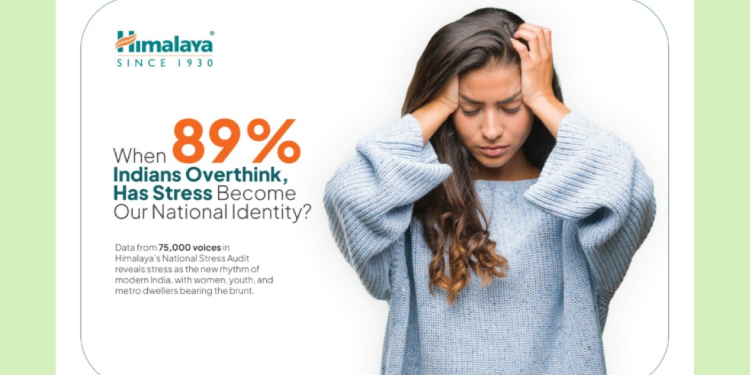
Bengaluru: With stress increasingly emerging as a significant public health concern in India, Himalaya Wellness Company has launched a nationwide stress awareness campaign aimed at helping individuals recognise, understand, and validate their stress levels at an early stage.
Anchored by a simple, science-backed Stress Test, the initiative recorded responses from over 65,000 participants across the country. The short self-assessment comprised 10 questions covering lifestyle habits, work pressures, and work–life balance, encouraging individuals to reflect on everyday stressors that often go unnoticed until they manifest as burnout or chronic health conditions.
Designed as an accessible entry point to stress awareness, the assessment categorised respondents into low, moderate, and high stress levels. The initiative reflects Himalaya’s people-first approach to wellness, with a focus on awareness and early intervention.
The findings reveal a pronounced gender disparity in stress levels. Women reported average stress scores nearly 12% higher than men, with over 36% of women falling into the very high stress category compared to 21% of men. Stress levels were particularly elevated among young adults, with the 18–34 age group emerging as the most affected. Within this cohort, young women reported very high stress levels at nearly double the rate of women aged 35 and above, while young men also reflected increasing pressures linked to work demands, relationships, and rising expectations.
Geography further amplified these stress patterns. Respondents from metropolitan cities consistently reported higher stress levels than those from non-metro regions. Delhi emerged as the most stressed city, followed by Mumbai, Kolkata, and Hyderabad, highlighting the impact of fast-paced urban lifestyles, long commutes, and demanding professional environments on mental well-being.
Across age groups and locations, stress was most commonly experienced as a persistent mental burden rather than an isolated episode. Overthinking emerged as the most prevalent symptom, reported by more than four-fifths of respondents. Other commonly reported indicators included burnout, anxiety, irritability, and recurring feelings of things not going right. Women reported a higher incidence of symptoms such as frequent anger, tension headaches, constant exhaustion, and burnout, offering deeper insight into how stress manifests differently across genders.
As part of the campaign’s broader focus on stress awareness and management, Himalaya also highlighted Ashwagandha, a well-researched adaptogenic herb traditionally used in Ayurveda to help the body cope with stress and restore balance. The herb reflects the company’s approach of combining scientific research with traditional wisdom to address everyday wellness challenges.
Commenting on the campaign, Vikas Bansi, Business Director–OTX Division, Himalaya Wellness Company, said, “Stress is no longer episodic; it is shaping daily life and behavior. Early awareness is essential if individuals and institutions are to respond before stress translates into more serious health outcomes. The initiative is designed to help validate everyday experiences of stress that are often dismissed or overlooked. As part of its holistic approach to stress awareness, Himalaya continues to advocate evidence-backed herbal solutions such as Ashwagandha, traditionally known to help the body adapt to stress.”
The initiative adds to the growing public discourse on stress and mental well-being in India, underscoring the importance of supportive environments, early recognition, and preventive approaches to long-term health.