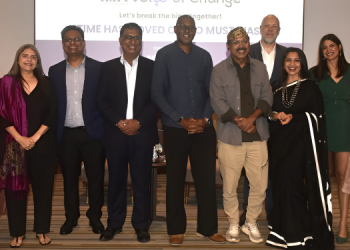
Mumbai: The Advertising Standards Council of India (ASCI) has launched its first-ever influencer-led consumer awareness campaign to highlight the growing concerns of greenwashing and dark patterns—two practices increasingly shaping and manipulating consumer choice in the digital age. The initiative is part of ASCI Academy’s broader agenda to help consumers navigate advertising in a more informed and responsible manner.
Through this campaign, ASCI aims to educate consumers on questioning sustainability claims, decoding eco-labels, and distinguishing credible environmental commitments from marketing buzzwords. In parallel, the campaign also addresses dark patterns—deceptive digital design practices such as basket sneaking, hidden charges and confusing user interfaces that nudge consumers into unintended decisions.
To amplify awareness, ASCI has partnered with a diverse group of digital creators including Shraddha Jain, Aalekh Kapoor, Sakchi Jain, Ashutosh Pratap Singh, Pankti Pandey, Vinod Kumar, Aisha Ahmed, and travel creators Sangeeth and Kavya. These influencers will create relatable content to help audiences recognise misleading practices and make more conscious choices.

Manisha Kapoor, CEO and Secretary General, ASCI, said, “Consumer Education is a key pillar of ASCI Academy. In addition to Ad-Wise, which is our school programme to build advertising literacy amongst a million school students, we are hoping to harness the credibility of voices trusted in the digital sphere to raise awareness around the two misleading practices of greenwashing and dark patterns. We aim to empower consumers to spot red flags and critically question claims they encounter in advertising.”
In addition to the influencer campaign, ASCI Academy has recently launched an e-learning course titled Ethical UI/UX Designs, aimed at equipping advertisers with tools to eliminate dark patterns. The course covers deceptive tactics, their impact on consumers and compliant alternatives aligned with ASCI codes.
ASCI’s ongoing research and guidelines have steadily increased stakeholder awareness around misleading practices. Its Conscious Patterns report released in 2024 revealed that 52 out of 53 leading Indian apps used dark patterns such as drip pricing and privacy deception, often impairing user autonomy. ASCI’s guidelines complement the Ministry of Consumer Affairs’ Central Consumer Protection Authority regulations on dark patterns by focusing specifically on deceptive advertising-led design practices. Meanwhile, ASCI’s environmental and green claims guidelines, introduced in 2024, have led to the modification of 236 misleading claims processed since their launch.
The consumer education initiatives under ASCI Academy are supported by industry partners including Diageo India, Hindustan Unilever Ltd, Mondelez International, Nestlé, Cipla Health, Coca-Cola, Colgate, Games 24×7, PepsiCo, Procter & Gamble, Kenvue, and Bajaj Auto.
With this influencer-led initiative, ASCI strengthens its effort to build advertising literacy and empower consumers to make informed choices in an increasingly complex digital advertising ecosystem.