Mumbai: HOCCO has unveiled its latest campaign, “Ice Creams Itni Hatke, Dimaag Unhi Pe Atke”, created in partnership with creative agency Moonshot. Built around humour, surprise, and exaggerated storytelling, the campaign aims to capture consumer attention in an increasingly cluttered advertising environment while spotlighting the brand’s unconventional ice cream innovations.
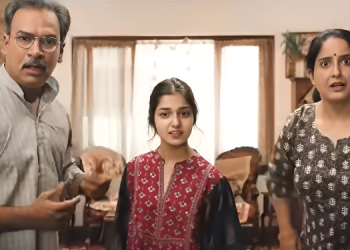
The campaign film presents a series of absurdly comic situations where a man begins mistaking random objects for ice cream after experiencing HOCCO’s unusually imaginative product range. The exaggerated narrative plays on the idea that the brand’s flavour and format innovations have completely altered the consumer’s expectations of what ice cream can be.
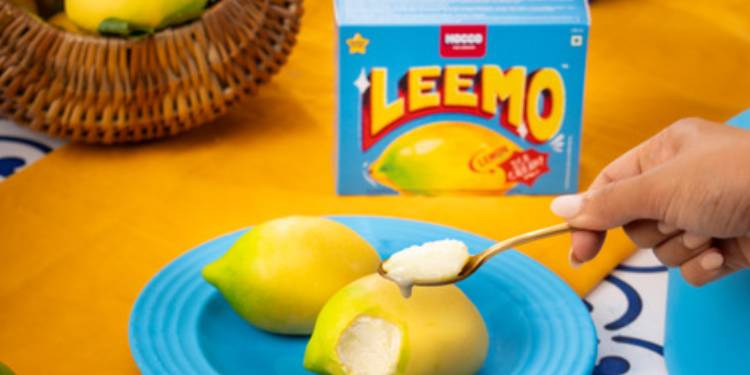
The campaign draws from HOCCO’s portfolio of unconventional offerings including Leemo, Aamchi, BIX, Oh Cone, and Bun Maska aur Jam, products that have helped position the brand as a challenger in the category through experimentation with flavours, formats, and presentation styles.
By leaning into internet culture, short-form content behaviour, and meme-style storytelling, the campaign seeks to create instant recall and encourage audience engagement through shareable entertainment-led communication.

Speaking about the campaign, Ankit Chona, Founder HOCCO, said, “At HOCCO, our intent has always been to become an integral part of our consumers’ lives and culture. That means our conversations with audiences cannot remain purely transactional or product-led. We want the brand to spark emotion, entertainment, and genuine engagement.
When passionate teams with a shared creative ambition come together, great work becomes inevitable. The moment Moonshot came on board, we knew this campaign needed trust, openness, and the freedom to push boundaries. Humour became a powerful way for us to connect more organically with people, while still staying rooted in an authentic product truth.”
According to the company, the campaign reflects a broader shift in advertising where brands are increasingly focusing on emotional and behavioural consumer insights rather than purely functional product messaging.

Commenting on the creative approach, Devaiah Bopanna, Co-founder, Moonshot, said, “When we met the Hocco team, and they laid out their vision for building the company and products, one thing was clear: they were breaking all the rules in ice cream manufacturing. Right from the machinery to the way it had to be transported, they were innovating on every front. So, we let the product philosophy lead us into ideation. The product is so disruptive in its reimagining of ice cream that we wanted the creative to do justice to this disruption.
When you look at the lineup of Hocco products, you know innovation and madness are an integral part of the brand’s DNA. It’s a challenger brand in every sense; it has broken the rules of shapes and sizes, so it was imperative for the creative idea to break the rules and category codes of ice cream advertising as well. And that’s why we felt this route was a natural fit for the brand. Unexpected and irreverent, just like the way Hocco makes its ice cream.”

Further elaborating on the campaign’s strategy, Roli Shrivastava, Head of Marketing at Hocco, added, “The objective was never to be bizarre for the sake of it. The madness works because it stems from an honest product insight. When consumers constantly experience surprising innovation from a brand, their expectations start shifting too. We simply dramatized that thought in the most entertaining way possible with Moonshot. Working with the Moonshot team on this campaign has been an incredibly exciting experience. They brought a fearless, creative energy to the table while deeply understanding the brand’s voice and consumer journey. We knew when we partnered with them that we needed to trust the creative process and be ready to get uncomfortable.”
With its irreverent humour and unconventional storytelling style, the campaign positions HOCCO as a bold challenger brand seeking to stand apart in India’s competitive ice cream market through culture-led and entertainment-first communication.