There is a growing trend of B2B influencers and employee generated content. Platforms like Linkedin and even Instagram are now used by companies in building a clout and creating positive impact. Companies as well as brands are roping in external influencers and internal influencers to tap in their industry expertise and build a strong network.
Socxo is a Brand Advocacy Platform that helps brands generate and scale organic reach to their content marketing initiatives. The solution helps organisations Connect, Engage, Attract and Transform their key stakeholders into Influencers and help them become brand advocates of their companies.
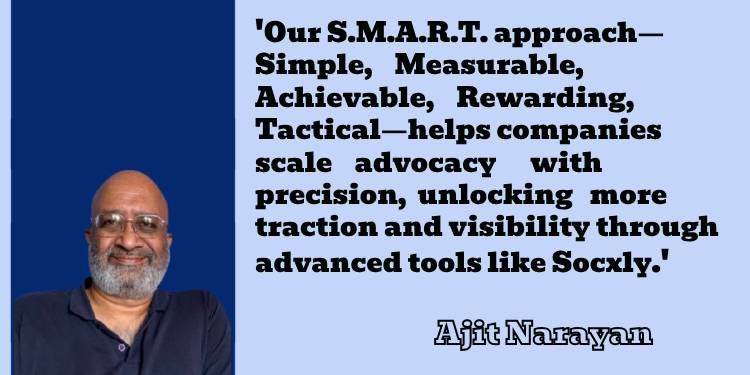
The company is a S.M.A.R.T Brand advocacy platform. Simple, Measurable, Achievable, Rewarding, Tactical. A solution that’s designed to help employees to become influencers of their respective company brands.
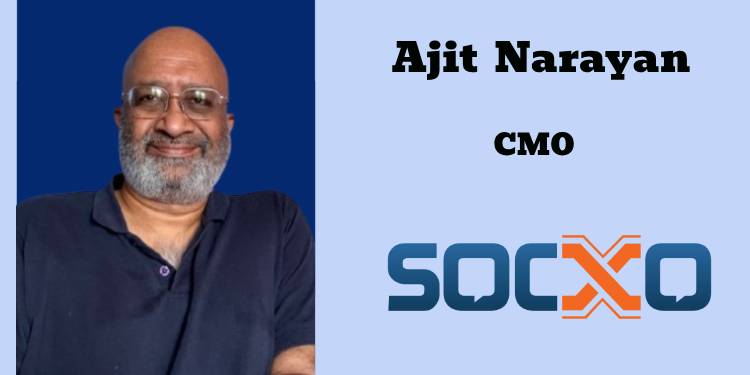
Medianews4u.com caught up with Ajit Narayan, CMO, Socxo
Q. What role does brand advocacy play in leveraging the loyalty and enthusiasm of existing customers, employees, and partners to promote a brand? What tactics does Socxo use in helping companies achieve this?
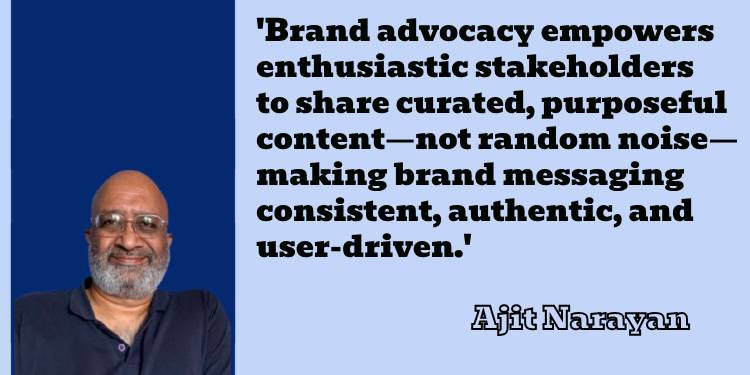
Brand advocacy is the system of helping enthusiastic stakeholders share content and views not just on the brand but on the category. Importantly, this is system controlled by company/brand and therefore, it is not any random content which is shared. Unless shared by the user independently.
Socxo, provides the process, system and platform to bring in enthusiastic folks, engage with them and curate and distribute content to them which they can share on their own social media handles. Thereby reducing friction among then advocates to search, find, copy, re-draft and then share which takes time and effort and reduces the enthusiasm they started out with.
Simplicity is the name of game.
Q. Could you talk about the S.M.A.R.T philosophy of Socxo – Simple, Measurable, Achievable, Rewarding, Tactical?
We have evolved into this. Especially after the launch of Socxly. Some of the features of Socxly can be used in Socxo to deliver more reach and more traction. No other Advocacy tool in the market has these features yet.
For example, your third party content shares can now have an embedded CTA banner to pull back traffic to your site. And this is all those who view that content. Suddenly you have way more reach to your content with triggers of your choice.
You can also share files on social media. With your customised presentation of the content piece. How it looks, what the headline says etc. You can share pdfs, excels and power points and also know how many people downloaded them.
We have made the platform simple to use with more powerful features.
Q. Is the media and entertainment sector an important client base for Socxo like broadcasters, OTT platforms, agencies? Kindly elaborate.
Brand Advocacy works best in B2B business’. It ticks off all the boxes and should become a practice within any B2B company.
Q. Does success in enabling employees to become brand advocates start with company culture and positive HR practices? Also how important is employee retention?
To a certain extent HR practices are the basic ground work. If you have unsatisfied employees you can expect them to do their jobs well only leave aside advocating.
They would not even participate. The fundamentals have to be on track if you want to start an Employee Advocacy project. If not. Get them on track before venturing into new territories.
Q. Are Apple, Google great examples of brand advocacy where employees beyond just the executives take ownership of the brand thus becoming advocates?
These brands are wired differently. Let’s not bring them in for discussions please. It is like any marketer saying he or she want to build and say things like Apple, Amazon etc. But without the ability or the organisation vision to make and drive innovation like they do.
The big seven don’t need to build these programmes. It happens naturally as a fallout of having the best talent, the best work environments, the best challenges, the best rewards etc. This is what makes great organisations. Unsurprisingly only a very few can make it that way.
Q. Increasingly CEOs and CXOs post content on LinkedIn. What role does this route play?
Social Media is a good way to bring visibility. And that coming from the top folks in companies brings traction to them. And rubs off on the organisations as well.
CXO’s need to be on social to increase awareness of to build their personal brands. As it is no longer enough to engage with consumers through advertising only. One needs conversations on the business.
We find influencers these days who are advocating “Thought Leadership”. That too by posting selfies and writing long winding cooked up or copied content. It is quite laughable that a C level person who has delivered success in real life business needs such childish posting.
They are leaders. Their own stories are good enough. Maybe the stories have to be written well that’s about it. There are enough and more young people who would like to learn from authentic ideas. And not fake “thought leadership”
Q. Though it is a C2C platform, how is Instagram emerging as a platform for companies?
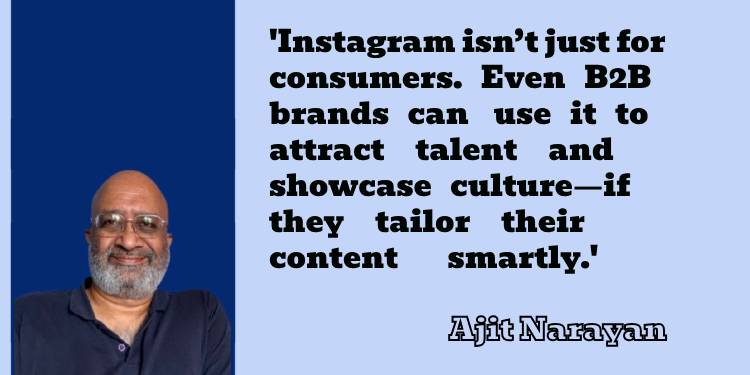
Instagram as a social channel is fantastic for some categories and naturally works well for them. For others like B2B companies it may not be the best place to engage. How one uses the channel determines level of engagement.
For example, even in B2B companies, employee engagement activities and programs would be apt to disseminate company culture to “potential young employees”.
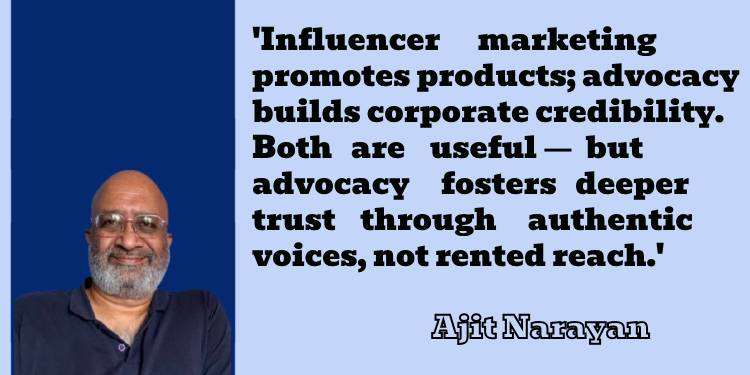
Q. How do brand advocacy and influencer marketing compare with each other in terms of strengths and weaknesses? Should companies ideally adopt a mix of both?
Both are similar. Both have their differences. Advocacy Marketing is basically about creating and leveraging nano influencers to engage about the corporate brand and culture.
Whereas influencer marketing focusses on the product brands. Influencer categories as classified by many by number of followers:
- Mega-influencers
- Macro-influencers
- Micro-influencers
- Nano-influencers
I don’t believe in the number of followers logic at all. As there are many other factors which determine quality and fit of influencers. But then, that’s what the industry goes by for ease of classifications.
Q. Could you offer recent examples where Socxo has helped brands with organic promotion, growth?
Socxo has helped companies in US, UK and India leverage Employee Advocacy. Some companies in India like Datamatics and Capgemeni have benefited from not only the tool but the personal branding sessions that I take with them.
Q. What role is AI playing in the brand advocacy area?
AI has a role in curation, distribution and giving the correct statements to users of brand advocacy. This helps in providing quality inputs easily to them making the content shares more effective.
Q. When there is a controversy and negative news like in edtech or with Zepto what tactics work in brand advocacy to mitigate the potential negative impact?
As a rule we steer clear of controversies and advice our clients to do the same when it comes to negative news. This is best handled by the PR team which builds the narrative and streams in the media of their choice.
Using Employees will back fire and that too badly as the normal employee is not trained in PR and cannot handle response/backlash directly. Best to stay away. And let it cool.

![Beyond Ello, you can expect [x]cubeLABS to lead the transition from generic “chatbots” to Vertical AI Agents: Sridhar Muppidi](https://www.medianews4u.com/wp-content/uploads/2026/03/Sridhar-Muppidi-Ello-350x250.png)