Entertainment company Balaji Telefilms is now making moves into the digital content space—leveraging its storytelling legacy to deliver originals that it says are fresh, fearless, and format-breaking.
Leading this charge is Aparna Ramachandran, Head Digital Originals, Balaji Telefilms, whose creative leadership is shaping Balaji’s new-age OTT slate.
Their latest digital original, KULL, the company says is a shining example—gritty, immersive, and emotionally layered. The show it explains has struck a chord with audiences, proving that there’s a growing appetite for content that is both psychologically intense and rooted in realism.
MediaNews4U.com caught up with Aparna Ramachandran Head Digital Originals, Balaji Telefilms
Q: A recent report noted that 90% of content on digital is being rejected by audiences. Why is content not resonating?
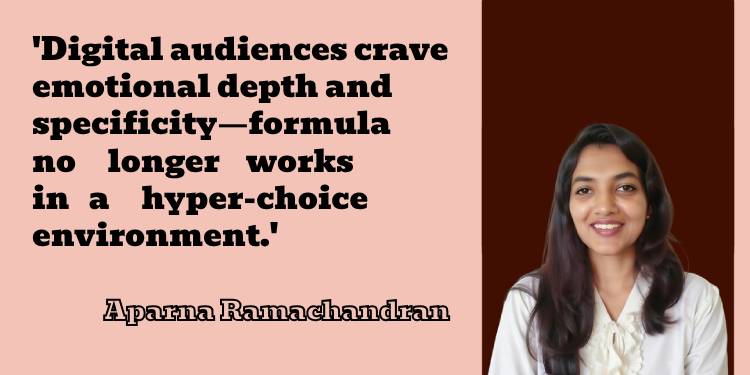
Content today faces a huge challenge in keeping up with shifting audience tastes. With the digital explosion, dubbed versions and multiple languages have opened up countless choices for anyone with a mobile connection.
There’s no captive audience anymore—viewers curate what they want and are always seeking an emotional connection hyper-specific to them. It’s unrealistic to expect one piece of content to appeal to the entire digital universe. The smarter path is to find niche segments that resonate and then amplify their appeal.
For instance, relatable spy dramas and village socials have shown strong potential—these started off as a niche and scaled up when executed well. There’s also a fatigue with formula—audiences are rejecting predictable tropes and recycled plots. Given the sheer volume of content, only stories with unique voices or palpable texture can cut through the noise.
Q. Platforms are struggling for profitability. Is making digital content at the right price another issue?
Yes, pricing is definitely an issue because there’s no standardised content pricing model across genres, markets, or formats. We haven’t yet established internal benchmarks to know whether something is overpriced or underpriced per minute or per view.
With low ARPU (Average Revenue Per User) in markets like India, content saturation impacts pricing decisions. While platforms may overpay to attract subscribers through marquee shows, there needs to be a sustainable pricing model for long-term viability.
Content as marketing is fine, but we also need predictability in ROI for the ecosystem to thrive. As one of the players that has been in the industry since its nascent stage, Balaji, through its digital shows, is working with platforms to arrive at price points that make sense for every contributor across the digital content value chain.
Q. OTT platforms are commissioning fewer shows. Is that putting a huge strain on production houses?
Absolutely, but it’s not necessarily a bad thing. Platforms will always want content that sticks, travels, and drives data – so the burden shifts to creators to innovate and this has to be seen as an opportunity, not a strain.
This pressure is pushing production houses to move beyond traditional pitch decks—to explore new formats like vertical content, micro dramas, and experiment with shorter turnarounds and different deal structures like licensing and profit-sharing.
Writers are thinking more out of the box, pushing the envelope on storytelling, and producers are becoming sharper. It’s about staying relevant and being ready when the market swings back.
Q: What is the strategy of Balaji on the digital side to create content that stands out? Any examples?
Balaji Digital’s strategy is rooted in a digital-first, multi-platform approach. We are producing originals not just for OTT platforms but also for YouTube—blending our storytelling legacy with contemporary themes.
For example, ‘Kull: The Legacy of the Raisingghs’ on JioHotstar is a family drama, while ‘The Great Indian Cricket Fan’ on YouTube celebrates India’s cricket fervour. By diversifying formats and platforms, we’re aiming to connect with varied audiences while redefining how content is delivered—all while staying true to our brand DNA, which is to never stop listening to the audiences and never stop delivering on our promise of stories that move.
Q. The plan is to break formulaic patterns while staying true to the Balaji brand. How will this be achieved?
We plan to evolve by building bold new spaces that allow experimentation while retaining our core. We’re doing this by onboarding fresh talent—writers, directors, and creators with distinct voices—to inject new energy and perspectives into our slate.
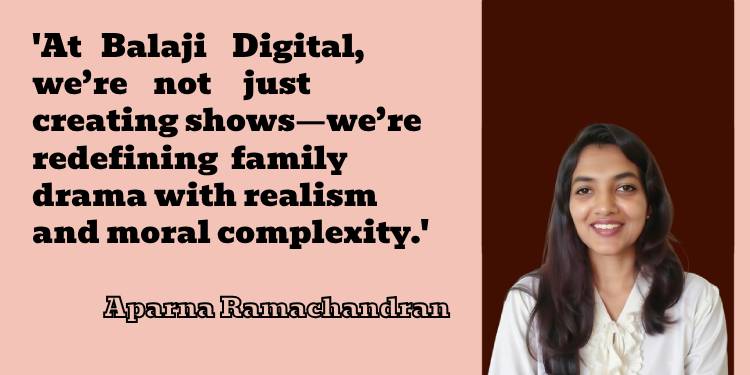
We’re exploring morally complex characters, unexpected genre blends, and narratives that reflect modern dilemmas. It’s about expanding the brand’s emotional grammar to speak to digital audiences. Shows like ‘Kull: The Legacy of the Raisingghs’ and ‘Power of Paanch’ on JioHotstar are good examples of this shift in action.
Q. Which OTT platforms like JioHotstar is Balaji working with, and what are the key learnings from decades of work in film and TV?
We’re in active conversations with nearly every key industry player. Some discussions have turned into development contracts, others into production slates—so we have a healthy pipeline for the year ahead.
Our biggest learning from decades in TV and film is that emotional relatability is timeless. Stories rooted in love, ambition, betrayal, and family continue to connect. We’ve also learned the importance of reinvention—adapting to new formats, embracing fresh voices, and evolving with the audience.
Q. What kinds of budgets is Balaji Digital working with?
Today, platforms are investing across a broad spectrum—from ultra-mini budgets for short-form content to premium budgets that rival global standards. Balaji operates flexibly across this range.
We’ve made shows on tight budgets using smart storytelling where narrative trumps visual scale. We’ve also received significant investment when the concept has global appeal. Regardless of the budget, our focus remains on production efficiency towards delivering stories that matter.
Q. When Balaji talks to OTT platforms, what are they looking for?
OTT platforms continue to be open to high-concept ideas with emotional depth and cultural relevance—binge-worthy narratives that can travel and resonate widely. Right now, there’s a strong demand for female-led dramas, gritty male narratives, bold characters, and stories that go against the grain of formulas.
At its core entertaining, juicy, and addictive storytelling—shows that hook fast and keep viewers watching will always have platform interest.
Q. Could you shed light on emerging OTT trends to watch in 2025 like psychological thrillers or female-led narratives?
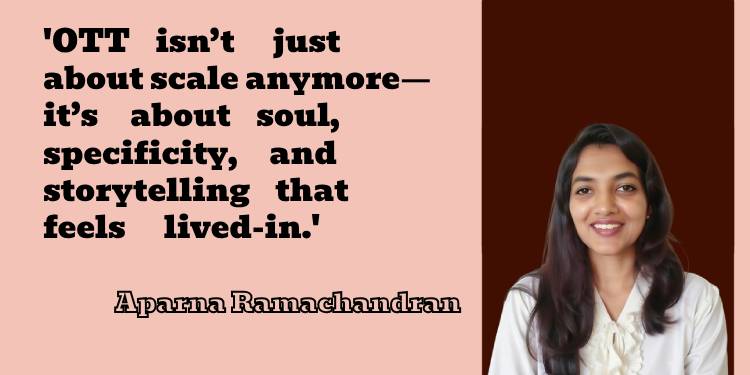
OTT is heading toward emotionally intelligent, genre-fluid storytelling. We’re seeing psychological thrillers with philosophical undertones, character-driven dramas, slow-burn intimacy, flawed protagonists, and narratives that challenge traditional tropes.
Audiences are increasingly drawn to authenticity, believability, and meaningfulness. This is pushing creators to craft morally complex, lived-in stories instead of manufactured plot-heavy ones.
Q. What formats and storytelling styles are emerging, like micro dramas for digital-first audiences?
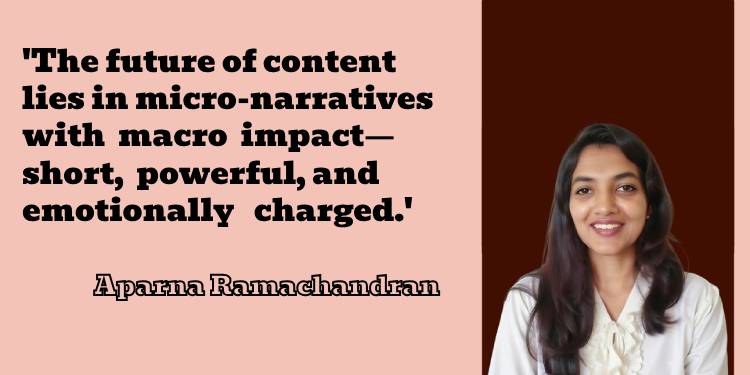
We’re seeing short dramas under 10 minutes, vertical videos for phones, and formats that blend video with text, voice notes, or chat-style storytelling.
Some formats are even interactive, letting viewers choose how the story unfolds. The focus is on fast, engaging content that feels personal and is easy to watch anywhere, anytime. Traditional storytelling rules are being redefined.
Q. What does a show or format need to be binge-worthy?
A binge-worthy show needs three things: strong narrative momentum, an emotional hook, and tight structure. Each episode must end with a compelling reason to continue.
Characters should evoke strong emotional responses, the pacing must escalate smartly, and if you add relatable themes and visual style, you’ve got a show that viewers feel compelled to finish.
Q. How far is India from creating a global sensation like Squid Game?
India has the talent, scale, and cultural depth to create a global hit like Squid Game. What’s needed is continuous and conscious talent development, sharper risk-taking in storytelling, higher production values, and global-standard distribution.
With platforms like Netflix and Amazon Prime investing heavily in India, we’re closer than ever. But we need to back bold ideas and produce narratives with universal appeal that are seen through with top-tier execution.
Q. Could you talk about Balaji Digital’s strategy to redefine family dramas with substance and realism?
Real issues and substance have always been the cornerstone of the legacy content produced by Balaji Telefilms. Balaji Digital is carrying on our legacy by focussing on interesting niches and audience sub-segments that are emerging and whose stories are waiting to be told.
For instance, our shows for JioHotstar and our upcoming slate on Netflix explore themes like gender dynamics, social issues that cuts through class, characters that turn societal expectations on its head, characters that force us to look at issues pervasive in our society through their unconventional journeys and choices.
This evolution moves beyond traditional family drama to offer richer, more relatable storytelling. It reflects our commitment to audience preferences, innovation, and telling stories that matter in today’s world.