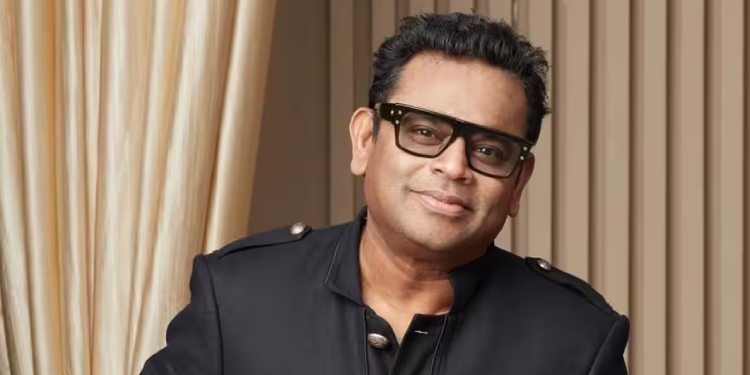
New Delhi: The Delhi High Court has set aside its April 2025 order against music composer A.R. Rahman in a copyright dispute concerning the song “Veera Raja Veera” from the film Ponniyin Selvan-2, ruling that the claim of exclusive authorship over the classical composition “Shiva Stuti” was unsustainable.
Earlier, the court had directed Rahman and the film’s co-producers — Madras Talkies and Lyca Productions — to deposit ₹2 crore and revise credits, based on a petition by Padma Shri Ustad Faiyaz Wasifuddin Dagar, who claimed the composition was authored by his father and uncle, the Junior Dagar Brothers, in the 1970s. He alleged copyright was passed to him through an oral family settlement and that the song was used without consent.
However, the bench of Justices C. Hari Shankar and Om Prakash Shukla ruled that no exclusive rights could be claimed over the composition, which had been publicly performed by other members of the Dagarvani tradition, including the Gundecha Brothers and their disciples. The court stated that the composition had been preserved and shared across generations, and could not be treated as an individual intellectual property.
In its 93-page ruling, the court noted the difficulty in applying modern copyright law to traditional art forms that have evolved collectively over centuries. It warned that monopolising such works would hinder how young musicians learn and share Indian classical music.
The judgment, delivered on Rahman’s appeal, sets aside the prior order’s financial and credit-related penalties, bringing a close to the legal battle and establishing an important precedent in cases involving heritage-based compositions and copyright claims.