Dubstep, the fast-fashion consumer tech brand from the Nu Republic universe, recently welcomed Abhay Deol as its brand ambassador. A natural nonconformist with a deep-rooted connection to music and culture, he represents Dubstep’s belief in play, freedom, and self-expression.
Inspired by music, movement, and pop culture, Dubstep has rapidly built a strong identity by making technology accessible, expressive, and easy to live with.
Rooted in its Made to Play philosophy, Dubstep looks to make technology that blends seamlessly into daily life — intuitive, expressive, and ready for the moment.
Over the last two years, Dubstep has emerged as one of the fastest-growing brands in its category, driven by its fast-fashion approach to consumer tech, trend-forward design, and strong resonance with Gen Z and young millennials.
The brand’s portfolio includes True Wireless (TWS) earbuds, Bluetooth speakers, wired and wireless headphones, power banks, chargers, data cables, and mobile accessories — all designed for today’s connected, on-the-go consumers.
Available across platforms — including Blinkit, Instamart, Zepto, Flipkart, and Big Basket — Dubstep has emerged as a fast-growing brands in fast-moving consumer tech, adding over 10 million loyal consumers to its ecosystem each year.
Its sharp understanding of youth trends, fast design turnaround, and pop-tech aesthetic have made it a favorite among Gen Z and millennial audiences alike.
Deol’s association with Dubstep® feels organic. Beyond his film career, he is a music enthusiast and DJ, known for carving his own path and rejecting the predictable — values that align naturally with Dubstep® ’s attitude-first DNA.
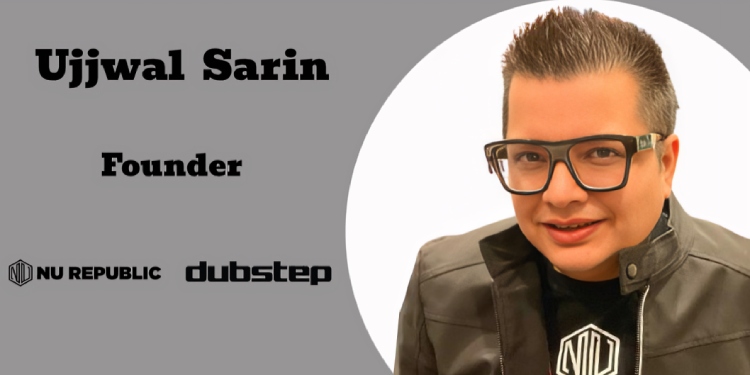
Medianews4u.com caught up with Ujjwal Sarin, Founder, Nu Republic Universe
Q. In 2026 will it be important for consumer tech brand’s to be an expression of a consumer’s identity? If so, what steps will Nu Republic take to strengthen its place in the consumer’s identity?
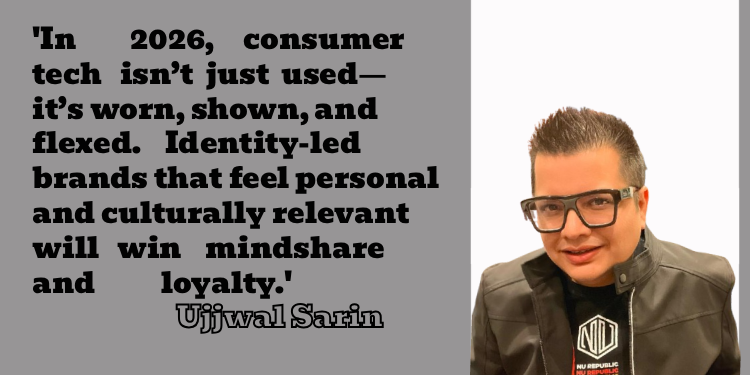
Absolutely. In 2026, tech isn’t just something you use, it’s a reflection of who you are as a person—it is worn, shown, and flexed. So, identity-led brands are the ones that will win. At Nu Republic, we’re designing products that feel personal, expressive, and culturally relevant.
From bold aesthetics to playful functionality, we’re building tech that people choose not just because it works, but because it reflects who they are and what they stand for.
Q. Nu Republic’s mission when it launched was to convert wearable technology, from a black and boring function. What progress has been made in that regard over the years? What can one expect in this regard in 2026?
We’ve completely rewritten the design rulebook. From spaceship-inspired earbuds to fidget spinner power banks and LED-lit headphones, every Nu Republic product is reimagined as a statement piece.
In 2026, you can expect even bolder silhouettes, unexpected form factors, and tech that feels collectible yet unforgettable. These aren’t meant to blend in—they’re statement pieces designed to stand out.
Q. According to predictive analytics, where is the whitespace for growth in 2026? What role will Dubstep play in the journey?
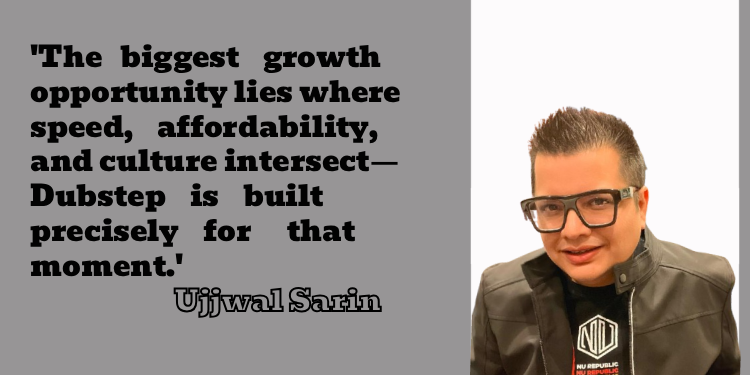
The whitespace lies at the intersection of speed, affordability, and culture. Dubstep is built exactly for that moment—fast, trend-led, and accessible.
While Nu Republic focuses on aspiration and desire, Dubstep addresses immediate, everyday tech needs. Together, they let us cover both emotion and efficiency across consumer segments.
Q. Could you talk about the market gap that led to Dubstep’s Made to Play philosophy?
Most tech brands nowadays take themselves too seriously. Dubstep was born to bring play and fun back into consumer electronics — modern designs, easy usage, and zero intimidation.
“Made to Play” is about freedom, spontaneity, and tech that fits seamlessly into everyday life without friction.
Q. How does Dubstep’s focus on understanding youth trends, fast design turnaround, and pop-tech aesthetic give it a leg up over competition?
We listen faster, design faster, and launch faster. Dubstep tracks youth culture in real time — from music and gaming to memes and micro-trends—and translates that into product drops quickly. This agility keeps the brand fresh, relevant, and always a step ahead of slower, legacy competitors.
Q. What role does Abhay Deol play as the new face of Dubstep as a natural nonconformist with a deep-rooted connection to music and culture?
Abhay embodies nonconformity and artistic integrity—he’s always chosen substance over stardom, unconventional roles over commercial formulas. He’s deeply rooted in music and culture, yet never mainstream for the sake of it—which mirrors Dubstep’s DNA perfectly. That’s exactly what Dubstep is all about.
Having him as our face isn’t just about celebrity—it’s about what he represents: individuality, creative freedom, and the courage to stay true to who you are. He doesn’t follow trends; he sets his own path. And that’s the kind of person we’re designing for.
Q. Dubstep believes in play, freedom, and self-expression. How will this be reflected in marketing activities done?
Through high-energy storytelling, culture-first campaigns, and formats that feel participative rather than preachy. You can expect content that invites consumers to engage, remix, and express — not just consume.
Q. Will an omnichannel marketing and sales strategy be adopted for Dubstep in 2026 encompassing traditional and digital avenues? What can we expect in the coming months?
Yes, fully omnichannel. We are strengthening our presence across digital, retail media, and on-ground activations. The coming months will see sharper retail integrations, culture-led collaborations, and increased visibility across both online and offline touchpoints.
Q. Gen Alpha does not tolerate mediocrity at all. Is the TG harder to appeal to as a result compared to older TGs?
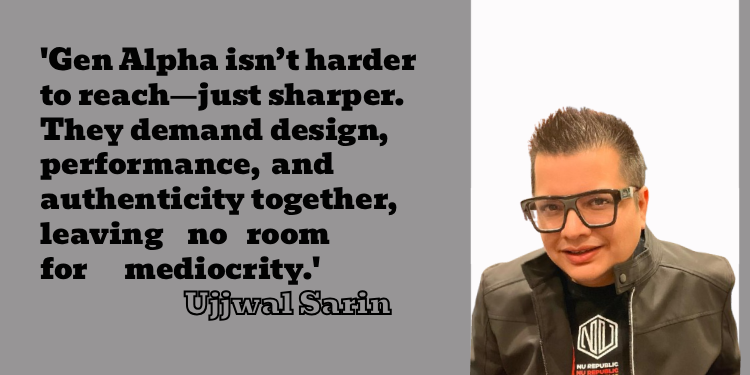
I don’t think they are harder to reach—they’re just sharper. Gen Alpha has grown up with endless options at their fingertips so they expect design, performance, and authenticity to coexist. Brands that deliver the full package will earn loyalty quickly; those that don’t get ignored just as fast. There’s no room for mediocrity and that pushes us to be better.
Q. Dubstep is available across retail media platforms — including Blinkit, Instamart, Zepto, Flipkart, and Big Basket. Are Nu Republic and Dubstep going to allocate more of their digital marketing budget towards advertising on retail media especially during the festive season and as a result shift digital ad spends away from Google and Meta?
Yes. Both brands are digital-first, and retail media plays a critical role in high-intent discovery—especially during festive periods. We’ll continue prioritising platforms where consumers are already in a buying mindset.
Q. Could you shed light on what Dubstep’s influencer marketing strategy looks like in 2026? How important will this route be in deepening penetration by talking to consumers in their local language by working with creators?
Influencers are going to be absolutely central to what we’re doing.
Alongside A-list and Bollywood faces, we’re doubling down on Tier-A and regional creators who speak directly to audiences in their local language. This helps us scale trust, relevance, and penetration faster.
Q. What role will experiential marketing play in the media mix? Will Nu Republic and Dubstep strengthen their presence in avenues like malls, music festivals?
It’s going to play a much bigger role. From mall activations and exhibitions to music festivals and immersive brand experiences, we want consumers to actually experience our products in person.
Q. Are consumers using LLM’s reshaping product discovery online in the consumer tech category? If so, how are Nu Republic and Dubstep reshaping their consumer acquisition strategy?
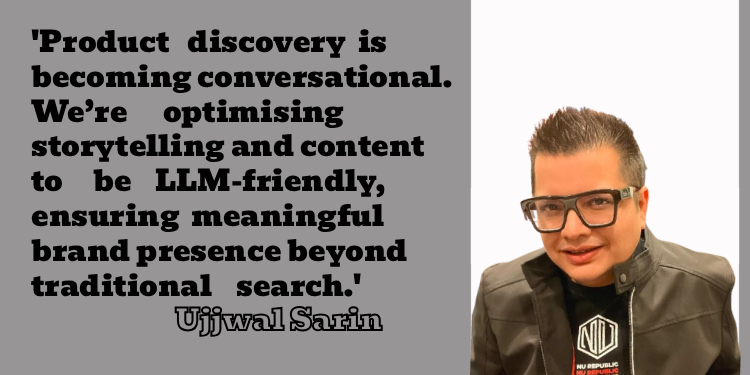
Yes, discovery is becoming conversational, not search-led. We are optimising content, storytelling, and product narratives to be LLM-friendly, ensuring our brands show up meaningfully wherever consumers are asking questions, not just where they’re clicking ads.