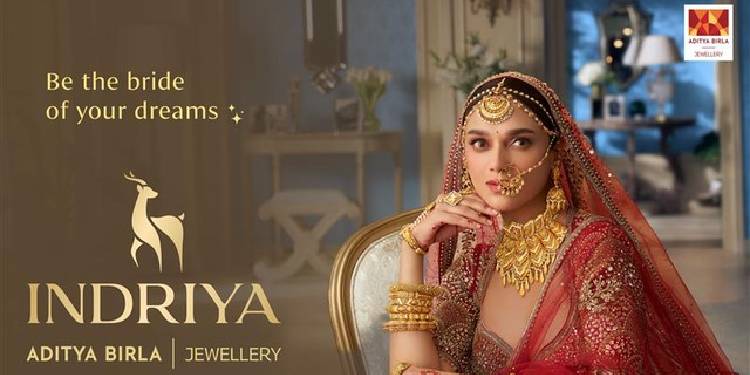
Mumbai: In a category obsessed with scale, spectacle and seismic wedding chaos, Indriya chooses an unexpectedly intimate lens. Its new bridal campaign doesn’t shout tradition or dazzle with excess. Instead, it pauses—right before the bride steps out.
Conceptualised by Ogilvy India, the film leans into a deceptively simple but culturally loaded insight: a bride has imagined herself long before the wedding day arrives, and the one thing she truly wants—before the noise, rituals and relatives take over—is a moment alone with that version of herself.
A narrative that resists the wedding cliché
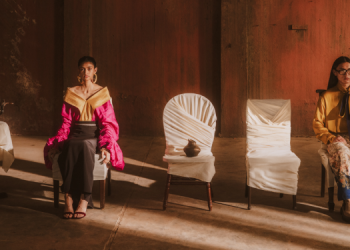
Set in the hushed minutes before the ceremony, the film builds intrigue without urgency. There’s no frenetic cutting, no checklist of wedding tropes. The bride, played with understated grace by Aditi Rao Hydari, lingers—absorbing her reflection, her jewellery, her transformation.
Crucially, the emotional ballast comes not from romance but from the bride’s inner circle—family members who have known her dreams almost as long as she has. This choice subtly shifts the gaze away from the groom-centric or spectacle-heavy storytelling typical of the category, grounding the film in lived, recognisable emotion.
Jewellery as meaning, not just ornament
While the film is restrained, the product presence is anything but incidental. Indriya’s bridal jewellery is woven into the narrative as a co-creator of the bride’s identity, not an accessory layered on for glamour shots.
The standout is Saptapadma, Indriya’s signature bridal necklace inspired by the seven sacred vows of marriage and the lotus. Crafted in 22kt yellow gold, its layered petals—each etched with a vow—serve as visual shorthand for the brand’s larger ambition: to root contemporary bridal expression in cultural symbolism without making it feel heavy-handed.
This balance mirrors the broader Indriya bridal portfolio—spanning gold, polki and diamond across more than 28,000 designs—where heritage is present, but never overbearing.
Brand thought, clearly articulated
What works particularly well is how cleanly the brand thought lands. Anchored in Indriya’s larger platform, ‘Dil Abhi Bhara Nahin’, the campaign reframes bridal jewellery as unfinished emotion—something the bride wants to linger with, not rush past.
The campaign line, ‘Be the bride of your dreams’, avoids the temptation of grandiosity. Instead, it feels personal, almost private—mirroring the film’s tone and reinforcing Indriya’s positioning as a partner in the journey, not just a seller at the counter.
In a highly cluttered bridal jewellery market where louder often equals safer, Indriya’s campaign signals quiet confidence. It trusts the audience to lean in, not be dazzled into submission.
By choosing emotional intimacy over visual excess, and self-realisation over ceremony, the brand successfully differentiates itself—especially among modern, discerning brides who value meaning as much as magnificence.
This is not a campaign designed to dominate the wedding conversation. It’s designed to stay with you—much like the moment it captures.