In a significant policy shift, Instagram has updated its Live feature eligibility—only users with public accounts and a minimum of 1,000 followers can now go Live on the platform. This move marks a departure from Instagram’s previously more inclusive model that allowed all users, regardless of follower count or privacy settings, to live stream.
The announcement has sent ripples through the creator ecosystem, with reactions ranging from support for enhanced quality control to concerns over access limitations for emerging voices. MediaNews4U reached out to industry leaders and marketing professionals to understand the potential impact on nano- and micro-influencers, the broader creator economy, and the platform’s future direction.
A Push for Quality and Spam Control?
For some, Instagram’s decision is a much-needed move to bring order to a platform that has struggled with spam and low-quality content.
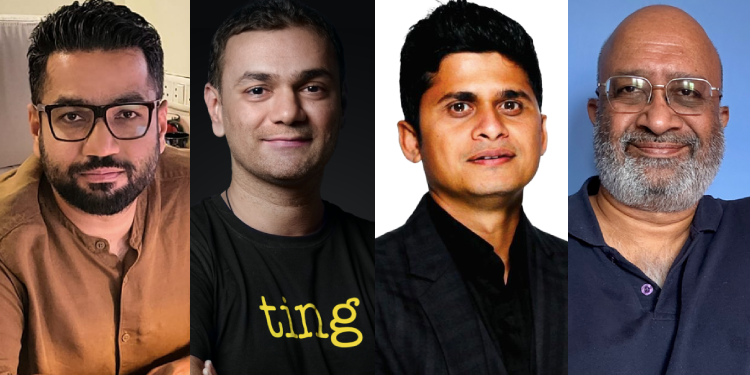
Sahil Chopra, Founder & CEO of iCubesWire, believes the update introduces a healthy filter:
“It’s a welcome move for many reasons. It will help control a lot of spam, and in a way, it validates that you need a certain degree of followership to be considered someone who can truly influence. If Instagram brings in more quality checks moving forward, the platform will become even more attractive, not just for creators, but also for brands and consumers looking for meaningful engagement.”
This sentiment aligns with Instagram’s official stance, which describes the update as a way to improve the overall Live consumption experience by limiting lower-quality streams and potentially cutting infrastructure costs for hosting low-viewership broadcasts.
Barriers for New Voices and the Democratisation of Content
However, many industry observers argue that even a seemingly low threshold introduces unintended consequences—especially for nano- and micro-influencers who are still building their community.
Arun Raghav, Founder & Business Head at BEglobal, cautions that this policy shift risks sidelining the very voices that gave Instagram its grassroots appeal:
“This is a significant setback for nano and micro-influencers. For them, Instagram Live was a vital tool to foster authentic, real-time engagement. By restricting this feature, Instagram is effectively removing a key growth mechanism for new and emerging voices.”
He warns that the change could accelerate creator migration to other platforms and signals a drift toward a “pay-to-play” model.
“While not a direct payment, the 1,000-follower threshold acts as a significant barrier to entry. The platform risks becoming top-heavy—where a few large creators dominate, and diverse, grassroots voices struggle to gain traction.”
Raghav also challenges the notion that follower count equates to content quality. “The threshold of 1,000 followers is arbitrary and doesn’t inherently guarantee better content,” he states, arguing that the move appears more strategic—geared toward monetizable creators and brand partnerships.
The 1,000 Follower Threshold: Modest Barrier or Missed Opportunity?
Others see the threshold as a relatively minor hurdle in the grand scheme of platform growth.
Aadil Mehta, Partner at ting, downplays the disruption:
“A 1,000-follower threshold is relatively modest and achievable for most creators, even those starting out. If the bar had been set at 10,000 followers or more, that would have been a different story. From that lens, 1K feels like a reasonable trade-off—it introduces some accountability without stifling creator growth.”
According to Mehta, going Live is not a tool that most new creators depend on early in their journey. For serious influencers, reaching 1,000 followers is typically an early milestone in brand-building. “This update won’t change that,” he adds.
Echoes of TikTok’s Strategy
Ajit Narayan, CMO of Socxo, frames the move within a broader industry trend he refers to as the “TikTokisation of Instagram”:
“The 1,000 followers rule mirrors what TikTok implemented to cater to professional content creators. Previously, anyone could go live. Now, no more.”
Narayan outlines several consequences that stem from this update. Smaller creators, who once relied on live streaming as a growth lever, now lose access to a key engagement avenue. This directly impacts their ability to connect with audiences in real-time, diminishing discoverability and making it harder for them to build a loyal community. As a result, many may feel compelled to resort to artificial means of growth—such as buying fake followers—just to meet the threshold. Additionally, the inclusivity of the platform takes a hit, as the move signals a shift away from grassroots accessibility and places new restrictions that could deter fresh talent from emerging.
“These changes hurt the organic, community-first feel that platforms like Instagram were built on,” he notes.
Where Do We Go From Here?
As the social media landscape matures, platforms are increasingly balancing content quality, user safety, infrastructure costs, and monetization potential. Instagram’s latest move may be driven by all of the above.
But as industry leaders point out, the real question is not whether the rule makes logistical sense—but whether it preserves the open and inclusive spirit that fueled the platform’s rise in the first place.
In the words of Arun Raghav, “This isn’t just a technical change. It’s a signal of who the platform is really for.”
While Instagram’s update may succeed in curbing spam and elevating content standards, it also raises important questions about access, equity, and the future of creator ecosystems. As the platform continues to evolve, it must grapple with a core tension: how to balance scale and quality, without silencing the very voices that make it vibrant.