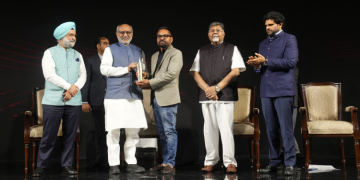
PEE Safe, a personal hygiene & wellness brand, says that it believes that hygiene and safety should never be an afterthought—they are an essential part of every journey. In line with its commitment to women’s health and well-being, it had announced its partnership with Zingbus earlier this year.
Through this collaboration, women travellers on Zingbus routes will be provided with specially curated hygiene kits designed to ensure comfort, cleanliness, and peace of mind throughout their travel experience.
This initiative is a small but meaningful step towards making journeys worry-free, everywhere and always. It reflects the shared vision of promoting women’s safety, hygiene, and empowerment by addressing some of the most common concerns faced while travelling.
The aim is to continue building on its responsibility towards society by making hygiene and safety more accessible, not just as an add-on but as a standard for every journey.
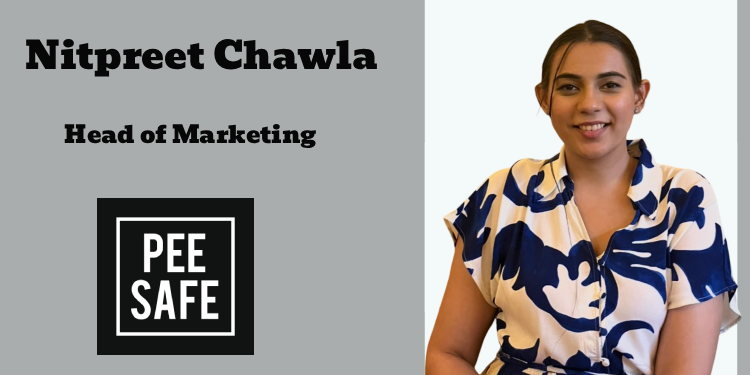
Medianews4u.com caught up with Nitpreet Chawla, Head of Marketing PEE Safe
Q. The marketing plan is to amplify visibility across major customer touchpoints, including travel, retail, and online, in the coming years. What does this entail?
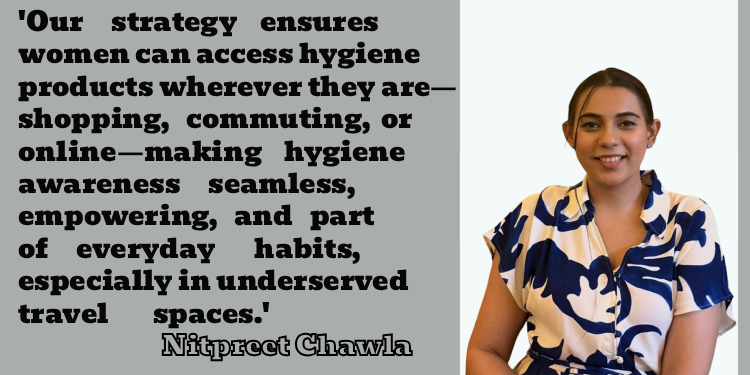
Our marketing plan is to increase brand visibility by engaging with customers at key touchpoints, travel, retail, and online. The vision is to ensure that wherever our audience is, whether it is shopping, commuting, or looking at websites, they are able to find our products with ease.
This is a strategy of building awareness of the importance of feminine and toilet hygiene, particularly in travel settings. We would like women to feel empowered and prepared while on the move. Through being present in their everyday habits, we make hygiene products more accessible and make discourse about cleanliness and wellness more widespread, especially where they are often underserved or overlooked.
Q. What are some of the campaigns and marketing innovations being done currently, and what is in the pipeline?
We are working on festive and event-themed campaigns to connect with our audience at times that are culturally appropriate. Our efforts include travel partnerships and local market activations designed to build regional awareness and community engagement.
Future initiatives are collaborations for the Women’s Cricket World Cup and for the upcoming festive season, two high-engagement properties where we can magnify our voice and spread farther through a culturally relevant and targetted approach.
These campaigns aim to reach out to individuals emotionally while reiterating our brand’s emphasis on hygiene, wellness, and accessibility. This synergy of cultural relevance and targetted positioning forms the core of our marketing innovation.
Q. Is promoting health, hygiene, and sustainability the main goal of marketing?
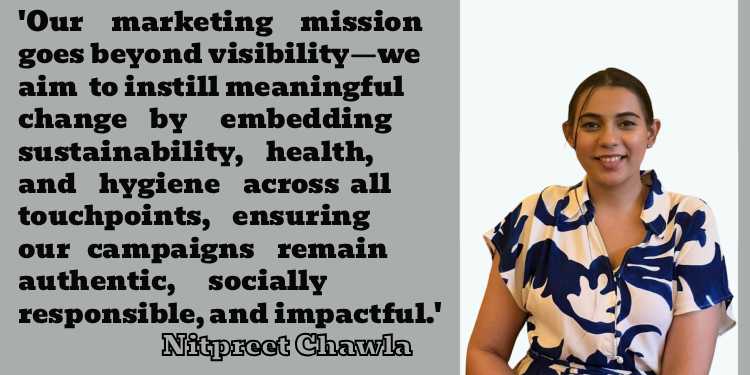
Yes. Our core marketing mission is to include sustainability, hygiene, and health across all touch points with customers. All campaigns, products projects, and collaborations are based on the vision to raise awareness and provide tangible, feasible solutions that make daily hygiene better for individuals.
We are sure that good marketing is not merely about visibility, but about instilling meaningful change and enabling people to make better choices for healthier lifestyles. When we place our brand on these core values, we can be certain our message remains authentic, relevant, and socially responsible at every turn.
Q. What role will influencer collaborations and user-generated content on platforms like Reels, WhatsApp play in changing the perception and approach towards menstrual hygiene?
Influencer collaborations and user-generated content also play a crucial role in bringing period conversations closer to users in terms of being accessible, relatable, and acceptable.
Platforms like Instagram and WhatsApp offer a real-time and engaging method of engagement with users in their daily digital lives. These collaborations assist us in making the topic more sensitive, promoting authentic conversations, and normalising the usage of hygiene products, particularly during travel.
Since this is one of the first collaborations in the travel and hygiene industry, we see this as a strong chance to change attitudes, gain trust, and enable women to take charge of their hygiene with confidence on the move.
Q. SEO is an important component of marketing. What is Pee Safe’s view of AI search tools? Are they emerging as an alternative to Google?
Looking forward to the future with AI search tools, we find that SEO still remains stronger and more trustworthy when it comes to our marketing requirements. Google remains the primary driver of organic visibility and customer acquisition.
While there is potential with AI-based search products, we have yet to witness it catch up on the scale, reliability, and user behaviour front. We are keeping an eye on this space, but remain committed to established SEO methods that align with how our audience is currently searching for and consuming hygiene-related content online.
Q. How is AI transforming the marketing function at Pee Safe through innovations like chatbots? How is AI helping with category disruption?
AI is enabling us to enhance customer experience through the reduction of complexity in interactions and the ability to make them more efficient.
Our chatbots, powered by AI, answer a lot of customer queries, allowing our teams to spend time on more complex issues. This creates quicker feedback, a better user experience, and more brand trust.
Overall, from our perspective, AI enables improved data analysis and focused messaging, which allows us to transform the hygiene category with more relevant messaging and products. It is not automation; it is about making each and every customer interaction timely, useful, and relevant to their needs.
Q. What is the strategy being followed to drive repeat purchases?
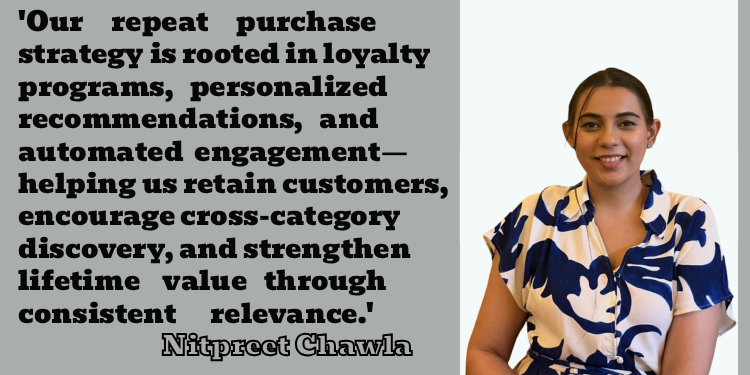
To drive repeat purchases, our strategy is centred around understanding customers and consistent value delivery. We leverage referral programs to encourage word-of-mouth, offer exclusive discounts to our most loyal buyers, and use automated engagement flows to maintain regular touchpoints.
Our marketing is data-driven; we track product usage and purchasing behaviour to tailor recommendations and encourage cross-category discovery. By staying relevant and responsive to consumer needs, we not only retain customers but also create new reasons for them to explore more of our product range, ultimately increasing brand loyalty and lifetime value.
Q. How does Pee Safe approach rural marketing? Do seminars, workshops play an important role here?
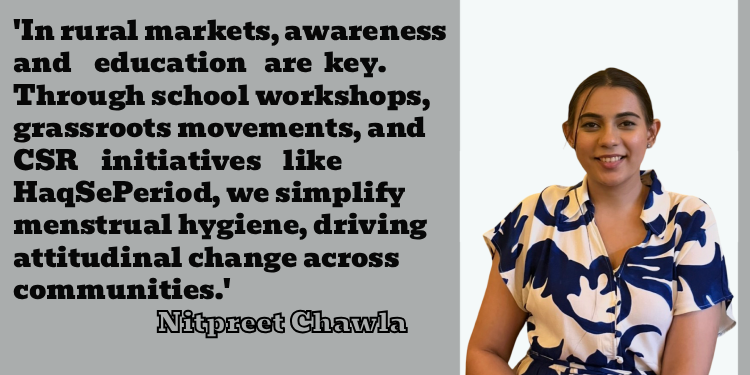
In rural marketing, we follow a methodology of awareness and education. We believe in making menstrual hygiene simple for young girls through school sessions and grassroots movements. Among the key initiatives was Zero Period on Menstrual Hygiene Day, which addressed early puberty and introduced hygiene management in a simple, relatable way.
Offline sessions and CSR activities such as HaqSePeriod continue to be key drivers in this intervention. Through seminars and campaigns for awareness, we seek to change attitudes regarding menstrual hygiene at the grassroots level so that hygiene education becomes accessible across urban-rural divisions.
Q. According to data analytics, where is the whitespace for growth?
We discover our analytics identifying the biggest whitespace for growth in terms of bringing in more awareness, both online and offline. While performance marketing remains paramount, we feel that there is an enormous gap in brand-led campaigns that go beyond product propaganda.
These initiatives allow us to touch, engage, and connect with consumers more emotionally and at a deeper level. By focusing more on storytelling and purpose messaging, we wish to grow organically and sustainably.
Awareness is the ground for trust, and we believe the more informed our consumers are, the higher the chances of them choosing and holding on to our brand.
Q. How did the partnership with Zingbus come about?
Our partnership with Zingbus was a strategic coming together of shared values. Both businesses are passionate about de-stressing travel and making it comfortable.
To us, it was all about improving travel hygiene for women, especially during their periods, when comfort and accessibility of hygiene products are really important. By collaborating with Zingbus, we bring that message directly to female travellers themselves, making them feel secure and self-assured on the move.
By coming together, we are better positioned to place feminine hygiene under the spotlight in real travel environments, where it is apt to take a back seat but is vitally needed.