Mumbai: In a media landscape increasingly shaped by on-demand consumption and individual screens, Sony Pictures Networks India (SPNI) is sharpening its focus on shared viewing experiences. By reinventing game shows and reality television formats, the network aims to turn traditionally familiar genres into compelling, participative formats that bring families back together in front of the television.
As audience attention fragments across platforms, SPNI is leaning into participation-led programming that encourages viewers to play, predict, learn, and aspire. The strategy is designed to revive the culture of appointment viewing by creating collective, time-bound experiences that resonate across generations.
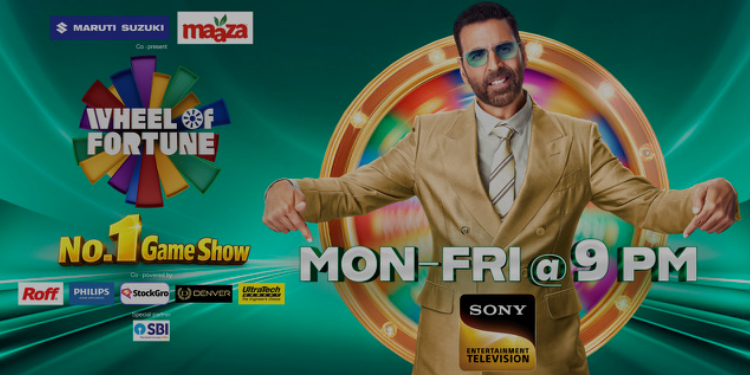
The move reflects SPNI’s view that today’s audiences are selective and value-driven. Viewers are increasingly drawn to formats that offer immediacy, narrative momentum, and visible progress — elements that game shows and reality programming naturally deliver. This thinking is evident in SPNI’s recent adaptation of Wheel of Fortune, the world’s longest-running game show, hosted by Akshay Kumar and reimagined as an interactive family experience.
The approach also aligns with the enduring popularity of legacy franchises such as Kaun Banega Crorepati, which marked 25 years this year. The show continues to attract strong engagement from the 18–40 age group across metros as well as Tier 2 and Tier 3 markets, particularly through its Play Along format that extends participation beyond the television screen.
By combining interactivity with emotion-driven storytelling, SPNI is reinforcing the continued relevance of linear television in a digital-first era. The network’s programming focus remains firmly on formats that encourage shared, participative viewing and foster collective moments for families.
Said Makarand Palekar, Head – Linear Distribution, Sony Pictures Networks India, “The future of linear television depends on creating moments that audiences choose to watch together. When formats evolve while retaining the emotional core, they connect across generations. Interactivity, cultural relevance, and forward momentum are critical to attracting younger viewers while continuing to serve family audiences who have grown up with these shows.”