In a cluttered road safety communication space often dominated by preachy statistics or shock-for-shock’s-sake visuals, Vega Auto cuts through with rare clarity. Its latest nationwide initiative, Pehnoge Toh Bachoge, doesn’t argue for helmet ownership—it questions its hypocrisy.
India’s No.1 road safety brand takes on an uncomfortable truth: for millions of riders, helmets have become compliance props rather than life-saving gear. Hung from handlebars, looped around arms, or balanced on fuel tanks, they exist to dodge fines, not death. Vega Auto’s campaign confronts this behavioural contradiction head-on, making usage—not possession—the central idea.
Insight Over Impact
The strength of Pehnoge Toh Bachoge lies in its deceptively simple insight: the problem isn’t awareness, it’s attitude. Most riders already know helmets save lives. They just don’t wear them.
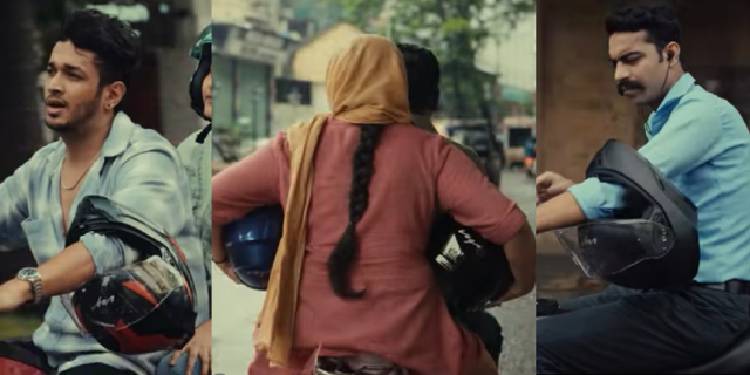
The 60-second film, set in the familiar chaos of Mumbai traffic, avoids melodrama. Instead, it mirrors everyday indifference. A father riding with family, a rushed professional, a college student on her scooty—each carries a helmet casually, almost carelessly. No villain. No reckless stunts. Just routine neglect.
Then comes the pivot. A sudden crash. Sound drops out. Time slows. A helmet spins mid-air—unused, unfulfilled. The silence does the talking.
The line that follows lands with brutal honesty: “Wearing a helmet saves lives. Carrying one doesn’t.”
It’s not a warning. It’s a verdict.
Craft That Respects the Viewer
Executed by Scratchpad Creative Agency, the film shows restraint—something rare in public safety advertising. There’s no graphic violence, no forced tears. The emotional weight comes from recognition, not shock. Viewers see themselves, or someone they know, on screen. That familiarity makes the message harder to dismiss.
The hashtag #WearItDontCarryIt works as both a campaign mnemonic and a behavioural cue—short, shareable, and culturally adaptable. The Hindi phrase Pehnoge Toh Bachoge taps into everyday language, making the message sound less like a lecture and more like common sense passed down generations.
Brand With a Backbone
What elevates the campaign is Vega Auto’s positioning. This isn’t performative CSR. As Chairman Dilip Chandak acknowledges, Vega already sells lakhs of helmets. The business win has happened. The moral responsibility, however, hasn’t ended.
By openly admitting that sales don’t equal safety unless helmets are worn, Vega reframes its role—from manufacturer to movement-builder. That honesty lends credibility and distances the campaign from being seen as self-serving.
Pehnoge Toh Bachoge succeeds because it doesn’t shout—it insists. It reframes helmet-wearing as non-negotiable, not optional. In a country where over 55,000 two-wheeler riders die annually because helmets stay off heads, this campaign doesn’t just raise awareness—it challenges apathy.
In Campaign India terms, this is purpose-led communication done right: sharp insight, cultural relevance, disciplined storytelling, and a brand willing to hold up a mirror to its own consumers.
Sometimes, the most powerful safety message isn’t about fear—it’s about calling out a habit we’ve normalised for far too long.
View this post on Instagram