SJ Uplift Kabaddi Pvt Ltd, the exclusive rights holder for both the World Super Kabaddi League (WSKL) and the Uttar Pradesh Kabaddi League (UPKL), earlier this year announced the launch of the inaugural edition of WSKL. The aim is to make Kabaddi a truly global sport.
With the active engagement of nearly 30 countries and formal confirmation from 20 national federations the inaugural season is tentatively scheduled for February–March 2026 and will be hosted in Dubai, a strategic location chosen to maximise international exposure and fan accessibility.
Following UPKL, under the banner ‘Apna Bharat, Apna Khel’, which focused on nurturing talent within India, WSKL represents a bold new chapter. Unlike UPKL, which was largely India-centric, WSKL has been conceptualised as an international platform with a singular mission: to globalise Kabaddi and pave the way for its inclusion in the Olympic Games.
WSKL is backed by the International Kabaddi Federation (IKF) and holds commercial rights through the South Asian Kabaddi Federation, positioning it as a credible and globally supported league.
WSKL will adopt a franchise-based model featuring eight teams in its inaugural season. Setting itself apart from existing leagues, each team will showcase a strong international presence alongside Indian talent, reflecting the league’s commitment to building a truly global Kabaddi ecosystem.
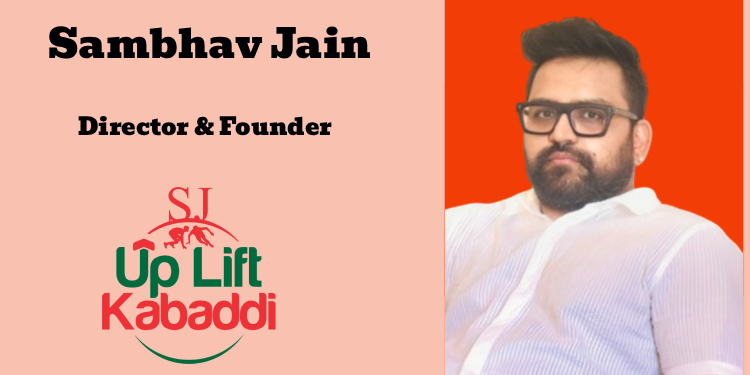
WSKL is fully owned and operated by SJ Uplift Kabaddi and has been founded by Sambhav Jain, an advocate for the growth and modernisation of Kabaddi.
MediaNews4u.com caught up with Sambhav Jain, Director and Founder, SJ Uplift Kabaddi
Q. Could you talk about the game plan to take the sport of Kabaddi global through the WSKL?
The World Super Kabaddi League (WSKL) is our most ambitious step yet in positioning Kabaddi as a truly global sport. We’re building an international platform that’s designed to go beyond borders, with players from over 20 countries, neutral venues like Dubai for broader appeal, and partnerships with global broadcasters to take the game to new audiences.
Our strategy is to use WSKL as a catalyst for global engagement, Olympic-level visibility, and professional expansion. From structuring international tournaments to onboarding diverse talent, every piece of the puzzle is aimed at elevating Kabaddi’s status as a sport the world can watch, play, and be inspired by.
Q. According to research, what is the appetite for watching and playing the sport? Which are the key markets being targeted?
Research shows a rapidly growing appetite for Kabaddi, especially in countries with significant Indian, South Asian, and broader Asian diaspora populations. Key markets we’re targeting include the UAE, UK, Canada, Kenya, Iran, Bangladesh, Nepal, and parts of Europe. We’re also seeing encouraging curiosity from regions like South Africa and Southeast Asia.
Kabaddi’s high-contact, fast-paced nature resonates particularly well with younger global audiences. There’s a strong emotional and cultural connection in traditional markets, but now we’re also seeing sport-first interest emerging in new geographies—which is a promising sign for its international evolution.
Q. Years ago there was a World Kabaddi League that failed to take off. What are the learnings from its failure?
The earlier World Kabaddi League lacked several critical components—structured formats, consistent media partnerships, strong storytelling, and long-term marketing. These gaps made it difficult to sustain momentum or build audience trust.
World Super Kabaddi League is being built on those learnings. We’re adopting a broadcast-first execution model, supported by robust league governance, iconic player representation, and a franchise-focused ecosystem designed for sustainability. Storytelling, both on and off the mat, is central to our strategy.
We also believe the space is big enough for multiple leagues—if each offers a unique value proposition. With the right positioning, timing, and strategy, WSKL brings a fresh, internationally focused narrative to the kabaddi landscape.
Q. What is the business model of WSKL? What investment is expected from the franchises and when is breakeven expected? How much is SJ Uplift Kabaddi investing?
WSKL operates on a franchise-based model, similar to other top-tier global sports leagues. Franchise investment begins at approximately USD 1.5 million per season, with team rights extending for a 10-year period. This long-term structure is designed to ensure stability and value creation for investors.
Breakeven is projected within 3–4 seasons, driven by multiple revenue streams—media rights, sponsorships, merchandise, and fan engagement. SJ Uplift Kabaddi is making a significant upfront investment to build league infrastructure, ensure broadcast readiness, and deliver a high-quality inaugural season.
We’re building not just a league, but an ecosystem with strong commercial fundamentals and international potential.
Q. Could you talk about the proposed format of WSKL? Will it have both men and women playing?
Yes, the World Super Kabaddi League (WSKL) will be inclusive from the start. Season 1 will launch with 8 men’s teams, each featuring international players and zonal representation. From Season 2 onwards, we will introduce a dedicated women’s division, marking a significant step toward gender inclusivity in professional kabaddi.
All matches in the inaugural season will be held in Dubai, offering a globally accessible stage with modern infrastructure and international appeal. This format allows us to present kabaddi in a fresh, premium format that resonates with audiences worldwide.
Q. Has Dubai been chosen as the venue because it has better international appeal compared to say Mumbai?
Absolutely. Dubai offers a unique combination of neutrality, global accessibility, and strong infrastructure—making it an ideal launchpad for the World Super Kabaddi League (WSKL). It has a high concentration of NRI and South Asian communities, and its international standing helps position kabaddi as more than just a regional sport.
By choosing Dubai, SJ Uplift Kabaddi is signaling a clear intent: to take kabaddi beyond borders and reintroduce it on a global platform. This sets the tone for future expansion into Europe, North America, and other key international markets.
Q. Has SJ Uplift Kabaddi initiated dialogue with corporates for franchise ownership or is the plan to hold the league in the first year and then sell teams after showing value?
We’re adopting a hybrid strategy. SJ Uplift Kabaddi is in advanced conversations with corporates, Bollywood-based sports investors, and international sports entrepreneurs. At the same time, we plan to execute a grand inaugural season under centralized ownership to establish the league’s value and global appeal.
Following Season 1, franchise sales will open with robust, data-backed ROI metrics. This approach ensures that future team owners come on board with clarity, confidence, and a long-term growth mindset—supported by a proven product.
Q. Is SJ Uplift Kabaddi targeting owners of PKL franchises?
SJ Uplift Kabaddi has initiated dialogues with select team owners from the Pro Kabaddi League (PKL), particularly those who also own franchises in other top-tier sports leagues. These individuals bring valuable experience, operational know-how, and a deep understanding of the kabaddi ecosystem.
However, WSKL presents a distinctly new opportunity, a global narrative with a fresh identity, international reach, and aspirational positioning. While we value the experience PKL owners bring, WSKL is not a replica; it’s a reimagination of kabaddi on the international stage.
Q. How will SJ Uplift Kabaddi ensure that the WSKL will have a different brand identity from the UPKL?
SJ Uplift Kabaddi is very clear in maintaining distinct identities for its two leagues. The Uttar Pradesh Kabaddi League (UPKL) is rooted in regional pride and grassroots development, whereas the World Super Kabaddi League (WSKL) is built for global scale and international aspirations.
WSKL will feature its own branding, separate logos, anthem, colors, storytelling themes, and marketing strategy. There will be no overlap in team names, visual language, or execution plans. While UPKL nurtures local talent at the base, WSKL is about creating a premium, global showcase for the sport.
Together, they represent a full-spectrum approach to kabaddi—from grassroots to the global stage.
Q. In terms of marketing activities done, will digital be a cornerstone?
Absolutely. Digital will be the backbone of WSKL’s marketing strategy. SJ Uplift Kabaddi is investing heavily in digital-first content, from YouTube shows and behind-the-scenes access to multilingual reels, micro-influencer campaigns, and athlete-led storytelling.
The aim is to make kabaddi more discoverable, shareable, and relatable—especially to younger global audiences. We’re not just building a league; we’re building a movement powered by content, community, and culture.
Q. Will storytelling in terms of the journeys of various players from different countries be important in marketing the league?
Yes, storytelling will be central to how we position the World Super Kabaddi League (WSKL). Kabaddi is not just about the sport—it’s about the people who play it. We’re curating powerful narratives of players rising from villages, remote communities, and underrepresented countries to reach the global kabaddi stage.
Through documentaries, digital series, and athlete-driven content, SJ Uplift Kabaddi aims to humanize the league and celebrate the diversity, grit, and emotion that define kabaddi. These stories will connect audiences far beyond traditional fanbases and help build a global community around the sport.
Q. On the broadcast front, has a deal been finalized? Is there more keenness after the UPKL?
Negotiations are currently underway with a few global sports networks and some major OTT platforms. The success and visibility of the Uttar Pradesh Kabaddi League (UPKL) have certainly amplified interest and opened new doors for the World Super Kabaddi League (WSKL).
We expect to make a formal announcement by mid-September 2025. Broadcast will play a pivotal role in taking kabaddi global, and SJ Uplift Kabaddi is committed to securing the right partnerships to ensure maximum reach and impact.
Q. Could you talk about grassroots activities being planned in different regions?
Grassroots development remains a foundational pillar of our long-term vision. SJ Uplift Kabaddi is planning a series of grassroots talent hunts, academy partnerships, and regional outreach programmes under the WSKL banner. These initiatives will not only help us identify emerging talent from underrepresented regions but also build a strong talent pipeline for the league’s future.
Our goal is to create a system where young players—regardless of geography—can dream of making it to an international platform. By investing in early-stage development alongside elite competition, we’re ensuring the growth of kabaddi from the ground up.