Mumbai: On February 18, 2026, New Delhi will host the inaugural NDTV IND.AI Summit – a dialogue that will explore how deeply artificial intelligence is now woven into India’s economic priorities, policy frameworks, and strategic thinking.
Curated by NDTV in partnership with the Startup Policy Forum, the Summit puts AI at the centre of the conversation – as a defining force in governance, business, innovation, and public life. As countries across the world grapple with its implications, India is weighing how to harness AI for growth while safeguarding public trust and social equity.
The IND.AI Summit is structured around a broader, more consequential question: how should AI be governed, deployed, and embedded in society in a way that is both transformative and responsible?
A highlight of the Summit will be a special session on AI in governance, with former UK Prime Minister Rishi Sunak bringing a global perspective on the way AI is reshaping statecraft, administration, and economic decision-making.
Equally significant is the Summit’s emphasis on global governance and safety. With voices such as Chris Lehane of OpenAI, Stuart Russell of UC Berkeley and James Manyika of Google, the discussions will situate India within the wider international debate on AI accountability, risk, and cooperation.
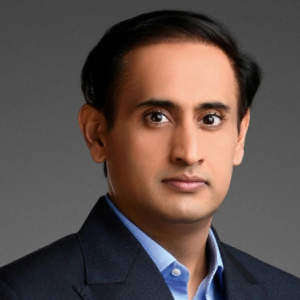
‘The IND.ai Summit is about the kind of future we are choosing to build. India has the scale, the talent, and the moral imagination to shape how AI serves society – and this Summit is our way of bringing the most credible voices together to define that direction,’ said Rahul Kanwal, CEO and Editor-in-Chief, NDTV.
Beyond policy and ethics, the Summit will also examine how AI is being deployed in practice. Some of the most influential investors and innovators of the AI era – including Hemant Taneja of General Catalyst- will engage in conversations on how capital, innovation, and long-term value creation are being redefined in an AI-led world.
Sessions on AI in the workplace, AI adoption at scale, and digital public infrastructure will focus on real-world impact: how AI is reshaping productivity, decision-making, job roles, and organisational culture, as well as how India’s public digital systems can serve as global models for inclusivity and trust.
A dedicated segment on AI sovereignty will explore what national autonomy means in an interconnected technological ecosystem – weighing the roles of governments, open-source communities, academia, and private enterprise in stewarding AI responsibly.
Underlying all these conversations is a common thread: that AI is not just a technological tool, but a societal force that will shape power, opportunity, and equity in the decades to come.
As the discussions play out in New Delhi, the NDTV IND.ai Summit will also be read as a reflection of a new India that is more self-assured about its role in shaping contemporary discourses on innovation and technology.
India, without doubt, is increasingly framing AI as part of its own developmental and policy story – one that links innovation to public purpose, and global engagement to domestic priorities. In that sense, the Summit is as much about how a new India sees itself in the world as it is about the future of artificial intelligence.