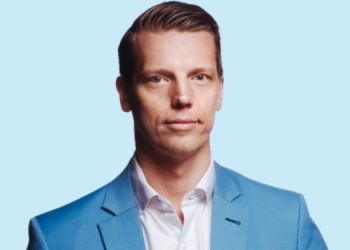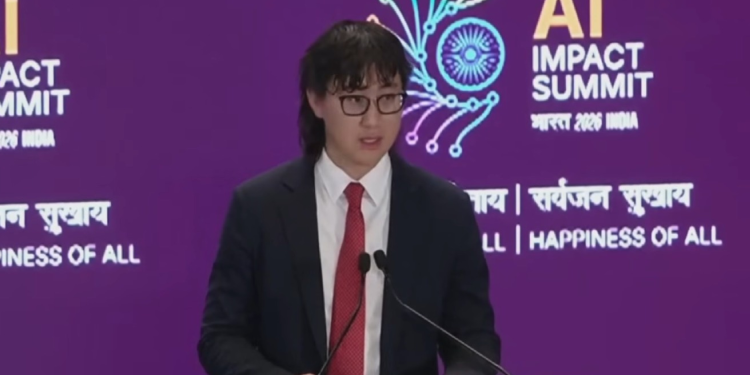
New Delhi: At the India AI Impact Summit 2026, Meta’s Chief AI Officer Alexandr Wang positioned India at the centre of the company’s next phase of artificial intelligence deployment, highlighting the country’s creator economy, small-business ecosystem and developer talent as key drivers of real-world AI adoption.
In his keynote, Wang underscored Meta’s ambition to move beyond generic AI systems toward what he described as “personal superintelligence” — AI deeply integrated into everyday products and tailored to individual users’ goals, language and context.
“Our vision is personal superintelligence – AI that knows you, your goals, your interests, and helps you with whatever you’re focused on doing. It serves you, whoever you are, wherever you are.”
India as a proving ground for applied AI
Wang pointed to India as a leading example of how AI is already being embedded into digital workflows at scale. From creators using automatic translation for short-form video to small businesses deploying conversational agents on messaging platforms, he said Meta’s tools are accelerating reach and efficiency across the country’s digital economy.
“Across India, creators use our AI to automatically translate their Reels into the language of the person watching. Small businesses talk to customers through WhatsApp business agents they created in 10 minutes on their phones, and use our Gen AI tools to create ads and reach customers way more efficiently than they could before.”
He added that India’s developer ecosystem is building “genius things to solve big societal challenges,” reinforcing the company’s view that locally built AI applications will drive inclusive growth.
New models and deeper product integration
Looking ahead, Wang revealed that Meta will release a new generation of AI models during 2026, beginning within the next few months. These models, he said, will be tightly integrated across Meta’s platforms, marking a shift from standalone AI features toward pervasive intelligence embedded across products.
“We’re releasing new models this year, with the first coming in the next couple of months. These will be deeply integrated with our products in a way we’re really excited about. We’re optimistic about the trajectory we’re on.”
He suggested that successive releases through the year would continue to push the technological frontier, signalling an accelerated model cadence.
Localised AI for the global south
A recurring theme in Wang’s address was the need to design AI systems that reflect regional diversity rather than imposing uniform global models. He called for stronger collaboration between governments and industry to build infrastructure, policy frameworks and datasets suited to local contexts.
“I don’t want these amazing technologies to be one-size-fits-all. I want them to serve your needs – designed for the challenges and opportunities that are unique to India, to societies across the global south.”
He argued that culturally and linguistically adaptive AI will be essential to ensuring equitable access and economic impact across emerging markets.
AI in service of society
Framing Meta’s broader mission, Wang emphasised distribution at scale — getting advanced AI into everyday life — as central to ensuring technology benefits society.
“If you want to make technology that serves society, Meta has an incredible opportunity to get this technology into people’s lives.”
Taken together, Wang’s keynote positioned India not just as a major user market but as a co-creator in Meta’s AI future — where personalised, locally relevant intelligence becomes embedded across communication, commerce and creativity.