The rules of global work have changed. Geography is no longer the advantage it once was. The creative and technology playbook is being rewritten and India is no longer on the sidelines. Capability, speed, and adaptability now define where work gets done. In this shift, India is moving decisively to the centre of global delivery models.
For years, India was seen as a support market efficient, reliable, but largely execution-led. That perception is now outdated. Today, India plays a far more strategic role in how global brands build, create, and scale.
The biggest risk for global brands today is simple: underestimating India’s strategic role in this transformation.
This shift is being driven by a powerful combination of talent, technology, and access. India offers a deep pool of creators, engineers, and problem-solvers who are not just delivering on briefs, but shaping them. From ideation to execution, teams here are embedded in global workflows like never before.
Industry research supports this shift. An Ernst & Young report positions India as an emerging global content hub, powered by cultural diversity, language capabilities, and strong technical expertise. While cost advantages in areas like animation and VFX remain relevant, they are no longer the defining factor. The real shift is in the quality, scale, and strategic depth of talent.
At Brandtech+, this evolution is already visible. Through its generative AI platform Pencil, the group has created over one million creatives globally and supported more than $1 billion in media spend. This goes beyond scale it reflects how creative and technology workflows are being fundamentally reimagined through AI and distributed teams.
Global campaigns today are increasingly being conceptualised, produced, and optimised by India-based teams working seamlessly with stakeholders across markets. What was once decentralised execution has become integrated collaboration.
India’s rise is also supported by structural advantages that make it easier for global companies to integrate teams here. India offers meaningful time-zone overlap with Europe and workable windows with North America and Asia, enabling near real-time collaboration. The creative ecosystem has matured significantly, with capabilities spanning content, design, production, and digital experiences. Combined with a workforce fluent in hybrid work and digital tools, India fits naturally into modern global operating models.
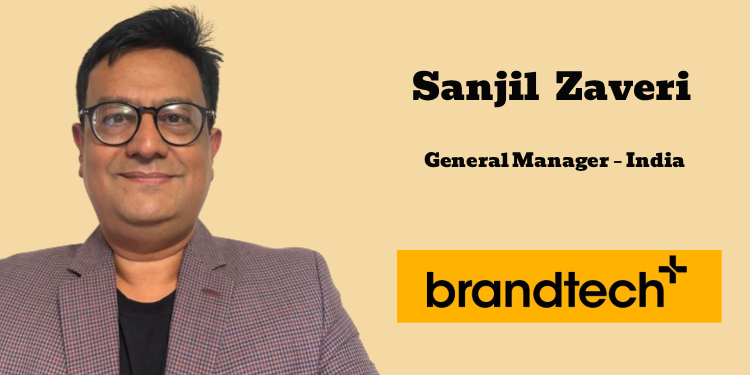
“India offers a rare combination of scale, agility and creative ambition,” says Sanjil Zaveri. “Its talent ecosystem is critical to delivering global creative and technology solutions at pace.”
This is reflected in how companies are investing. Brandtech+ continues to expand its India presence across creative, technology, and AI roles. The demand is no longer for execution capacity alone it is for high-impact thinking and end-to-end delivery. India is no longer the backend of global marketing. It is fast becoming the thinking layer.
Artificial intelligence is accelerating this shift. Rather than replacing talent, it is amplifying it. AI is automating repetitive processes, accelerating production, and improving decision- making freeing teams to focus on creativity and problem-solving.
“AI removes the mundane and elevates the meaningful,” says Zaveri. “Technology enhances capability, but it is talent that ultimately drives impact.”
As work evolves, so do careers. The boundaries between creative, technology, and strategy roles are dissolving. Professionals are expected to collaborate across disciplines, learn continuously, and adapt quickly. For talent in India, this opens access to global opportunities without geographic constraints.
Perhaps the most defining shift is this: global exposure no longer requires relocation. Professionals in India are already working on global brands, from where they are. This is democratising opportunity while enabling companies to access world-class talent at scale. What we are witnessing is not a trend it is a structural reset. Distributed teams, AI-led workflows, and integrated capabilities are becoming the new standard.
The global creative-tech map is being redrawn. And this time, India is not just part of the map it is helping define it.
(Views are personal)