Mumbai: While experts estimate the influencer marketing industry in India at Rs 3,375-5,500 crore, content creators are learning to sell. Trendweave, a creator monetisation platform, analysed over four million orders made by followers. The study found that content creators’ revenue from product sales increased by more than 35%, with the biggest increases in the travel, online services, and fashion industries in 2026.
What influencers sell best
The impact of influencers on e-commerce in India and APAC in general is growing every year. According to Trendweave (Mitgo Group), in the first half of 2026, the number of sales of goods and services through influencers in the country increased by more than 28% YoY. As a mobile-first economy, India is ideal for quick sales directly through shopping tools built into Instagram and other major social networks.
Influencers are also increasingly adopting effective methods like shopping streams and exclusive promo codes while actively exploring new industries. Currently, content creators earn the most from selling these goods and services:
(by the share in total amount of their profits)
Fashion – 30%
Home goods – 13%
Household Appliances & Electronics – 11%
Personal Care & Pharmacy – 10%
Sports goods – 7%
Child goods – 5%
Online services – 5%
Plane tickets – 4%
Event tickets & Entertainment – 4%
Financial products – 3%
Hotel bookings – 3%
At the same time, their income from some promising industries jumped significantly in 2026:
Plane tickets +42%
Online services (B2B/IT/Education/Delivery, etc.) +40%
Financial products +35%
Books +25%
Fashion +23%
Content creators are exploring new areas
Many influencers, instead of competing for followers and customers in highly competitive industries (such as fashion or electronics), prefer to develop their blogs in a new niche and immediately establish a leading position. Brands are also paying more attention to advertising partners whose followers are already interested in their niche.
For example, Trendweave data shows that the number of fashion bloggers decreased by almost a third in 2026. However, the number of influencers promoting online services (+20%), books and stationery (+16%), sporting goods (+14%), and travel products (+10%) has increased.
Instagram users are most willing to pay for a recommendation from a favorite blogger – the average purchase there exceeds $31. Pinterest users follow them ($30) and messaging app users are not far behind. For example, Telegram subscribers are willing to pay $27 per order. Influencer followers spend less on Facebook ($21.8), Х (Twitter) ($18.7), and YouTube ($15).
Influencers as Ad Partners
Increasing sales efficiency helps content creators feel more confident in the performance marketing field, where brands pay them based on results—sales, installs, and leads from their followers. While creators previously relied primarily on fixed fees for placements and ambassador contracts with brands, it’s now standard practice to combine multiple income streams—including fixed campaign payments, affiliate commissions, CPA partnerships, and ambassador contracts—while some creators also launch their own product lines, sometimes also in partnership with brands.
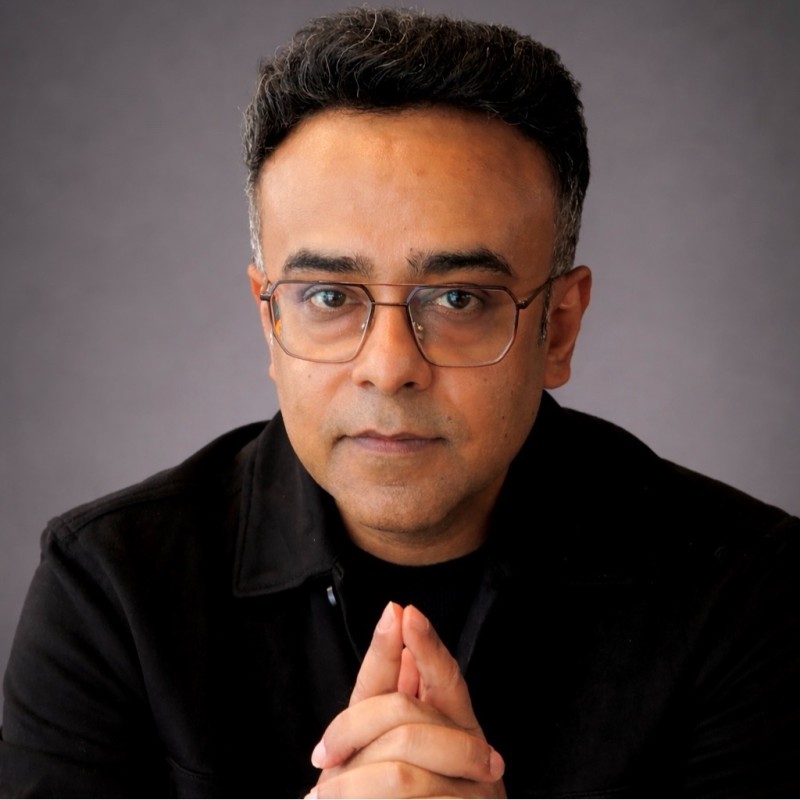
“According to Trendweave, which helps influencers earn through affiliate commerce, fixed campaigns, and performance-based partnerships, this hybrid monetisation model is becoming increasingly common among creators producing shoppable content. The number of influencer partners in India increased by 15% in 2026”, said Samrat Dutta, MD Mitgo APAC.
Trendweave predicts a further shift of influencers to less competitive niches and the strengthening of the positions of established influencers in staple industries like fashion. Authors will increasingly work on a cost-per-action (CPA) model, especially beginners and small influencers who don’t want to wait for a contract from a brand and are eager to earn money now, even if they only have 500 followers.
Sales through Indian bloggers could grow by more than 30% by the end of 2026, and their income by more than 45%, as the biggest sales of the year are still ahead.