Mumbai: Generative AI is transforming the way brands create, adapt and scale marketing content, but the next competitive advantage will come from combining artificial intelligence with community-driven insights, according to new research by WARC and LIONS Advisory in partnership with TikTok.
The report titled “The new creative advantage: How community signals are reshaping creative success in the age of AI” highlights that while AI is helping marketers increase creative production, brands that integrate real-time audience behaviour and community intelligence into their workflows are better positioned to create relevant and effective campaigns.
The study found that 88% of marketers believe AI has increased creative output, but only 45% believe it has significantly improved creative quality. Meanwhile, 86% of marketers said real-time audience behaviour and community signals will play a greater role in creative development over the next three years.
Despite this shift, the report found that traditional audience segmentation continues to dominate AI-driven creative processes. Around 67% of marketers still rely on basic demographic data when briefing AI tools, even though 59% agree that traditional demographic segmentation is no longer effective. Only 17% of marketers consistently incorporate community insights beyond demographics into their generative AI workflows.
The research, based on a survey of 400 marketers across the UK, US, Australia and Brazil conducted in May 2026, along with interviews with senior marketers and industry experts, explores how brands can build stronger creative systems by using audience participation as a source of intelligence.

Lexi Wolf, Head of Thought Leadership, LIONS Advisory, says, “WARC’s Marketer’s Toolkit 2026 found that belief in the effectiveness of demographic segmentation is waning. Yet this study with TikTok found that demographics were still the number one input marketers used to brief AI. Meanwhile, participatory media environments are giving us something far richer: real-time signals from people who search, comment, share, remix, create and buy.
“The opportunity isn’t to make the existing system faster. It’s to build a better one: one that helps brands learn from people more continuously, respond with greater speed and relevance, and turn efficiency into effectiveness over time.”
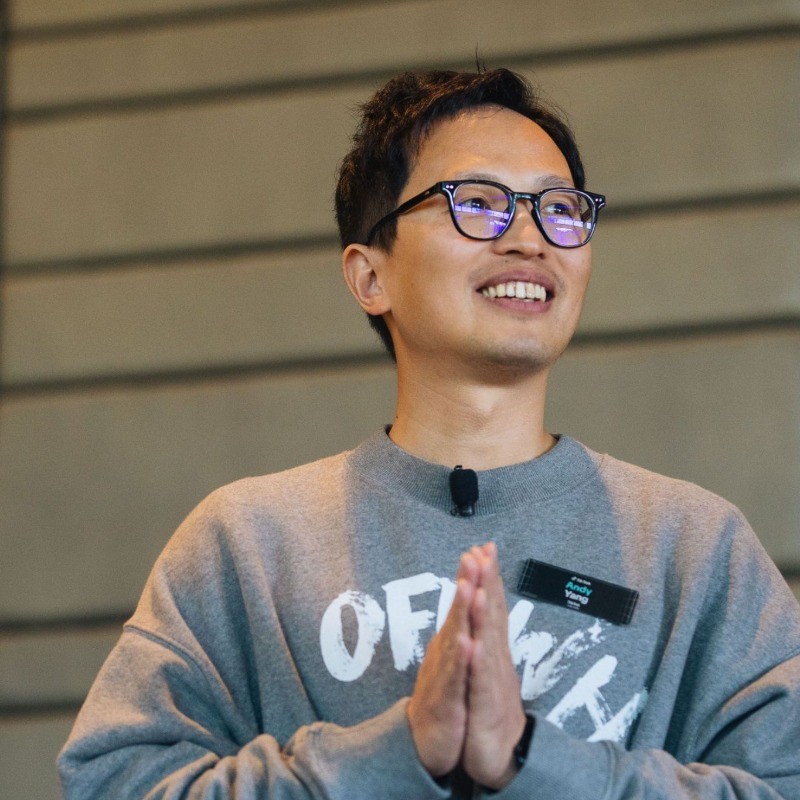
Andy Yang, Global Head of Creative & Brand Ads, TikTok, says, “The brands winning today are not the ones using AI to generate the most content. They are the ones learning the fastest from the people they serve. We call it cultural intelligence, and it is fast becoming advertisers’ most durable competitive advantage.
“Yet the research for this report shows that most brands are briefing powerful AI creative tools with weak inputs: static demographics and legacy assumptions, resulting in creative that scales efficiently but fails to connect. The future belongs to brands that close the loop by creating alongside culture, not behind it.”
The report introduces the concept of an “Intelligence Loop”, a framework where community participation and AI-powered creative systems continuously improve each other. The four-stage cycle involves generating cultural signals through participation, identifying emerging demand, feeding insights into AI creative processes and using resonant content to drive further engagement.
According to the report, brands that successfully build this loop can move beyond simply reacting to trends and instead develop systems that learn continuously from audiences, resulting in stronger creative relevance and long-term effectiveness.

Marcos Angelides Managing Director L’Oréal Lab & Head of AI Operations, Publicis Media, says, “Where the advantage comes is the data that you use to train those models, because AI is only as good as the data it’s trained on. You’ve got to have behavioral data. You’ve got to know what people actually do, not just what they say they do.”
To help marketers operationalise these insights, the report introduces the S.C.A.L.E. framework, outlining five principles for using AI and community intelligence to improve creative outcomes:
Select: Align audience and media objectives before briefing AI and use platform-native signals to guide creative development.
Connect: Treat creators as intelligence sources rather than only distribution channels.
Anchor: Build AI outputs around distinctive brand assets to ensure originality and differentiation.
Lead: Establish transparent AI governance and clear guidelines to ensure responsible use.
Evolve: Treat every campaign as a continuous learning system where insights improve future creative decisions.
The report concludes that as AI makes content creation faster and more scalable, brands that combine technology with deeper understanding of communities will gain a sustainable advantage by creating work that is more relevant, engaging and culturally connected