As the global music community comes together to celebrate World Music Day on 21 June, we often focus on the stars on stage — but what about those working behind the scenes to make music possible, protect its value, and ensure that creators are compensated?
While music creators are gaining visibility, there remains a significant gap in understanding the role publishers play in protecting, promoting, and monetizing creative works. From navigating sync deals and licensing frameworks to global IP management, publishers are not just administrators — they are creative economy enablers.
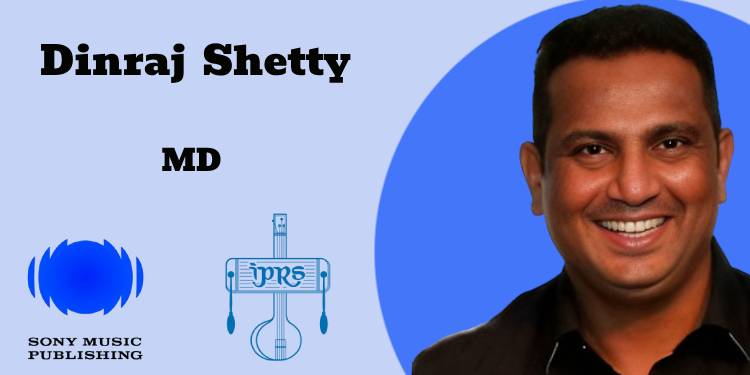
Medianews4u.com caught up with Dinraj Shetty, MD – Sony Music Publishing India and IPRS Board Member
Q. Sony Music’s focus is to ensure that its content has multiple touchpoints. Could you talk about the strategy involved here through areas like partnerships?
At Sony Music Publishing India, we understand that today’s music consumer experiences content across multiple platforms—from streaming services. social media, broadcast (TV & Radio) live events and functions, our strategy is to proactively place our music across these touchpoints through a combination of brand partnerships, sync opportunities, collaborations and localized innovations. By working closely with DSPs, OTT platforms, broadcasters, and brands, we ensure that our songwriters’ works reach the widest possible audience.
Q. How does Sony Music leverage synergies with other Sony Group companies like PlayStation to grow in India?
Being part of the Sony global ecosystem offers a unique advantage. While PlayStation and other Sony verticals have global resonance, we explore opportunities for cross-collaboration wherever relevant. These synergies, when aligned with India’s cultural and consumer trends, help us amplify the value of music beyond just listening
Q. Does being part of a conglomerate that includes Sony’s broadcast and consumer electronics businesses give Sony Music a competitive edge in India?
Absolutely. Sony’s diverse business portfolio—from broadcasting to electronics—offers multiple touchpoints for audience engagement and innovation.
Creating music experiences that integrate seamlessly into visual and lifestyle content via collaborative culture where creativity, content, and technology converge, enabling us to deliver more holistic value to our artists and songwriters
Q. What role do publishers like Sony Music play in protecting, promoting, and monetising creative works?
At Sony Music Publishing India, we work to protect songwriters’ rights through robust copyright management and ensure fair compensation through accurate royalty collection. We promote works via sync licensing, strategic placements, and marketing support. Monetisation is facilitated not just through traditional streams but also through emerging revenue channels—from digital platforms to brand integrations—ensuring our songwriters are empowered in today’s dynamic music landscape.
Q. What strategies is Sony Music adopting to support composers and lyricists in building sustainable careers?
Our key objective is on long-term career development. This means not just offering publishing deals, but also providing creative guidance, co-writing opportunities, sync exposure, and marketing support. We invest in talent and give them exposure through songwriting camps, workshops, and collaborative projects—to sharpen creative output
Q. How do publishers like Sony Music enable the creative economy through deals with platforms like Spotify, Apple, Amazon, and YouTube to ensure fair compensation for artists?
As a Publisher we negotiate and manage licensing agreements with global digital service providers to ensure transparent and fair compensation for the use of our repertoire. This includes detailed royalty tracking, rights management systems, and industry collaboration to standardize fair practices
Q. Globally, catalogue acquisitions are trending. Is this a strategic focus area for Sony Music in India?
Catalogue acquisitions are a global trend; in India we are more focused on investing in emerging talent and building new legacies. That said, acquiring rights to valuable catalogues is a consideration when they align with our long-term vision.
Q. In terms of sync deals, licensing frameworks, and global IP management—what learnings from other markets can be applied to India?
India can benefit greatly from more structured licensing frameworks and stronger IP enforcement. From global markets, we’ve learned the value of centralized rights management systems, clear sync processes, and proactive copyright education.
Applying these learnings to India involves collaborating with industry bodies, educating stakeholders on IP value, and standardizing licensing practices. The goal is to simplify music usage while ensuring rights holders are protected and rewarded.
Q. Is lack of respect for IP still a major challenge in India?
Correct, to some extent. While awareness has improved significantly in recent years, with the growth of digital platforms and global collaborations but there are challenges around enforcement, unlicensed usage still exist. Changing these requires both policy-level intervention and grassroots awareness and it’s an ongoing process.
Mostly , among users of music in digital content, brands, and local platforms. As publishers, we remain committed to building a culture that values and respects creative ownership.
Q. Is AI making things more complex for music publishers, especially with the rise of GenAI-generated music?
AI presents both challenges and opportunities. On one hand, GenAI-generated music raises complex questions around authorship, originality, and royalties. On the other, it offers creative tools that can empower composers for innovation.
The key for publishers is to evolve legal frameworks to protect human creativity, develop standards around AI usage, and advocate for fair attribution and compensation. We are actively engaging in these global discussions to ensure a balanced and creator-friendly future.
Q. What policy or industry changes are needed to strengthen the backbone of music creation? Is incorporating AI into a legal framework one of the bigger challenges?
Absolutely, developing a legal framework for AI-generated works is a pressing need. We also need better alignment between the tech and creative sectors to ensure that innovation does not come at the cost of fair value.
Collaborative initiatives from all stakeholders—publishers, platforms, regulators, and artists—is essential to future of music industry
Q. What are the global opportunities for Indian music via strategic publishing?
Indian music has massive potential globally but they are still areas which can improve upon —across Bollywood, independent, regional, and devotional genres. Strategic publishing helps unlock this by connecting Indian songwriters and compositions with international artists, sync opportunities, and co-writing camps. We also work to place Indian music in global content like films & advertising. Publishing is a gateway for Indian creators to move beyond language barriers and be part of the global music environment.
Q. What can Indian music learn from the global success of K-pop, which has expanded into areas like food and culture? What tactics could help India do something similar?
K-pop’s global success is driven by its 360-degree ecosystem—where music, fashion, visuals, storytelling, fan culture, and merchandising work in tandem. Indian music has a rich cultural foundation to build a similar global movementthat showcase Indian creativity to the world.