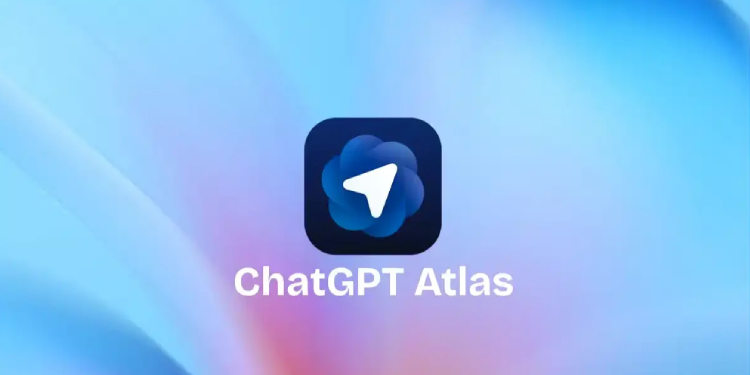
OpenAI on Tuesday unveiled ChatGPT Atlas, an artificial intelligence-powered web browser designed to integrate the capabilities of its popular chatbot directly into users’ online experience, marking a direct challenge to Google Chrome’s longstanding dominance in the browser market.
The launch follows the meteoric rise of ChatGPT, which now boasts around 800 million weekly active users, and signals OpenAI’s expansion into broader online activity, including the collection of browser data. Following the announcement, shares of Alphabet Inc., Chrome’s parent company, fell 1.8% in afternoon trading.
Atlas enters a competitive AI-driven browser market that includes platforms such as Perplexity’s Comet, Brave Browser, and Opera’s Neon. These browsers are increasingly adding AI features, including webpage summarization, automated form-filling, and code drafting, to attract users.
The new browser allows users to open a ChatGPT sidebar within any window, offering tools to summarize content, compare products, and analyze website data. For paid subscribers, Atlas also includes an “agent mode”, in which ChatGPT can perform tasks on behalf of users, such as online research and shopping. In a demonstration, the AI successfully located a recipe online and automatically purchased the ingredients via Instacart.
Atlas is currently available globally for Apple macOS, with versions for Windows, iOS, and Android expected to follow.
OpenAI, led by CEO Sam Altman, has disrupted the tech sector since the launch of ChatGPT in late 2022. The company now faces competition from tech giants like Google as well as startups such as Anthropic, while continuing to explore new growth avenues.
Google has responded to changing search behaviors by integrating its Gemini AI model into Chrome for U.S. users, with plans to expand Gemini to iOS. Users can now see an AI-generated overview, or “AI Mode,” alongside traditional search results.
A federal judge ruled in September that Google would not have to sell Chrome, allowing the company to continue paying partners to promote its search engine. The ruling cited the growing threat posed to traditional search by investments in generative AI.
Despite emerging competition, Google Chrome retained a 71.9% share of the global browser market in September, according to StatCounter. Analysts suggest that OpenAI’s entry could introduce new dynamics in online advertising, particularly as AI-powered browsing changes how users interact with digital content.
OpenAI’s ChatGPT Atlas may signal the beginning of a new era of AI-first browsers, blending search, productivity, and commerce into a single, intelligent interface—a space that could reshape both user behavior and digital revenue streams.