MUMBAI: Indians swapped kaju katlis and barfis for Kunafa chocolates, the famous Bihari Thekua, and even protein bars during the festive season, according to a new report by GoKwik.
GoKwik, an eCommerce enabler, has released its analysis of D2C festive food trends, revealing a Great Indian Festive Food Map shaped by three powerful forces — Nostalgia, Viral Trends, and Wellness.
Based on October data, the report finds that D2C brands are no longer just selling sweets, but shipping identity, aspiration, and a taste of home. Chocolate emerged as the undisputed category leader, with order volumes surpassing the combined total of all other festive items. Its convenience, shelf-life, and universal appeal have cemented it as the ultimate digital shagun or the new shippable festive staple for D2C brands.
While chocolate dominated, traditional sweets drove the rise of a Nostalgia Economy. Thekua, a traditional prasad from Bihar made during ancient Hindu festival Chhath, was the only regional sweet to record sales in every Indian state and union territory. Surprisingly, its top buyers were not from its home states, but from West Bengal, Maharashtra, and Delhi showing how India’s migrant population now uses D2C channels to send home a piece of their roots.
Global influences also left a strong imprint. Kunafa, a Middle Eastern dessert turned viral “Dubai chocolate” , witnessed explosive growth, with nearly half of all its D2C orders coming from Kerala, reflecting the state’s deep cultural ties to the Gulf.
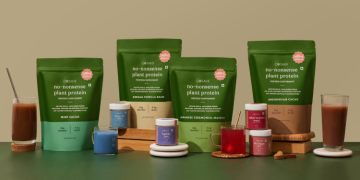
A third major force, the Wellness Economy, reflected the rise of the “anti-mithai” brigade. Protein bars became the season’s surprising celebration snack, particularly across Maharashtra, Delhi NCR, Uttar Pradesh, and Karnataka. The shift points to a health-conscious consumer using D2C platforms to find ‘guilt-free’ indulgence and celebrate with intention.
The report also identified untapped white spaces. The Fresh Frontier sweets like rasgulla and gujiya remains dominated by local halwais and quick-commerce platforms, hinting at a potential “premium D2C fresh” opportunity. Likewise, Soan Papdi, a shelf-stable gifting staple, continues to be a last-minute buy, underscoring an emerging market for planned gifting that D2C brands can capture.

Chirag Taneja, Co-founder and CEO, GoKwik, said, “Festive commerce is no longer defined by geography, it’s defined by identity. Thekua trending in Mumbai, or a Middle Eastern dessert peaking in Kerala, shows how migration, media, and modern lifestyles are reshaping what India buys during festivals. For D2C brands, these insights are not just cultural curiosities, but growth signals. The brands that localise, personalize, and adapt to emotion-led commerce will own the next wave of festive demand.”