New Delhi: Outdoor advertising in India is entering a more data-driven and intelligent phase as brands increasingly adopt programmatic Digital Out-of-Home (DOOH) to bring greater precision and measurability to outdoor campaigns, according to programmatic DOOH platform DGTOOHL.
Traditionally considered a largely static medium, outdoor advertising is now evolving with the integration of technology, enabling brands to deploy campaigns that are more contextual, measurable and audience-focused. DGTOOHL notes that companies across sectors such as automotive, smartphones and quick service restaurants are now using digital outdoor screens not only for visibility but also for smarter targeting and performance-led campaign delivery.
Recent campaigns executed through the platform highlight how advertisers are reimagining the medium by leveraging programmatic capabilities, immersive formats and data signals to create more targeted outdoor communication.
Brands including Jaguar Land Rover, Vivo and Tanishq are among the early adopters of the programmatic DOOH ecosystem, utilising the medium to bring greater transparency and measurable impact to their outdoor advertising efforts.
From immersive 3D anamorphic displays and time-capped messaging to the strategic use of high-impact digital screens, these campaigns demonstrate how brands are integrating audience insights and mobility data to deliver contextual messaging across key locations in India.
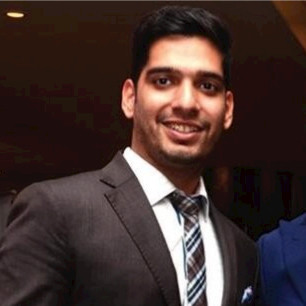
“Brands are no longer just buying outdoor locations, they’re buying audience moments,” said Anuj Bhandari, Founder & CEO, DGTOOHL. He further added, “Programmatic DOOH is allowing marketers to plan outdoor media with the same intelligence they expect from digital where campaigns can be optimised, measured, and aligned with real consumer movement patterns. With India moving to pDOOH with 20-25% of DOOH budgets by 2026.”

“OOH has traditionally been a data-dark medium powerful in visibility but limited in measurable intelligence. Programmatic DOOH changes that completely. By bringing automation, verified billable impressions, real-time triggers, and audience data into outdoor advertising, brands can finally transform DOOH visibility into measurable, optimized impact. In today’s data-driven marketing ecosystem, programmatic DOOH isn’t just an upgrade for OOH, it’s a necessity for brands that want accountability, agility, and true omnichannel integration for a full funnel approach.” said Shivalika Anand, Chief Business Officer and Partner, DGTOOHL.
The growing adoption of programmatic DOOH is being driven by marketers seeking greater transparency and accountability in media investments. Unlike traditional outdoor campaigns, programmatic DOOH allows advertisers to track campaign delivery, optimise placements in real time and align messaging with contextual triggers such as time of day, mobility patterns or high-footfall moments.
As digital screens expand across malls, corporate districts, transit corridors and high streets, outdoor advertising is increasingly becoming part of a connected digital ecosystem rather than a standalone branding channel.
According to DGTOOHL, this transformation is redefining the role of outdoor advertising from a static visibility medium into a dynamic, data-driven communication platform embedded within the rhythm of urban environments. As Bhandari noted, “Outdoor has always delivered scale and impact. What technology is now bringing to it is intelligence.”