Luxury Cart is a destination for pre-owned luxury cars, redefining the way people buy, sell, and maintain their dream vehicles. Offering an impressive lineup of brands like Mercedes Benz, BMW, Audi, and Jaguar, the company doesn’t just offer cars but provides a complete 360-degree automotive lifecycle experience. From purchasing and financing to servicing and resale,
Luxury Cart aims to ensure that the consumer’s journey is seamless, luxurious, and worry-free. At Luxury Cart, when it comes to buying and selling, it says that it leaves no stone unturned to ensure quality and transparency. Every car undergoes 350+ quality checks, including legal background checks, to earn the LC Certified badge. It guarantees non-accidental vehicles with verified service histories,along with a 15-day/ 200-kilometer money-back guarantee. It also offer a 6-month engine and gearbox warranty and consumable coverage for the first 1,000 kilometers.
Its service packages and extended warranty options make owning a pre-owned luxury car stress-free and enjoyable. Owning a luxury car in India has always been an aspiration, but the challenge of maintaining such vehicles often holds people back. Luxury Cart says that the commitment doesn’t end with the sale.
It added that it provides 360-degree services to enhance the ownership experience, including financing options, Service Packages, Extended Warranties, car care, regular maintenance, and premium insurance covers. Its collection features the latest and most sought-after models, with most vehicles being less than five years old.
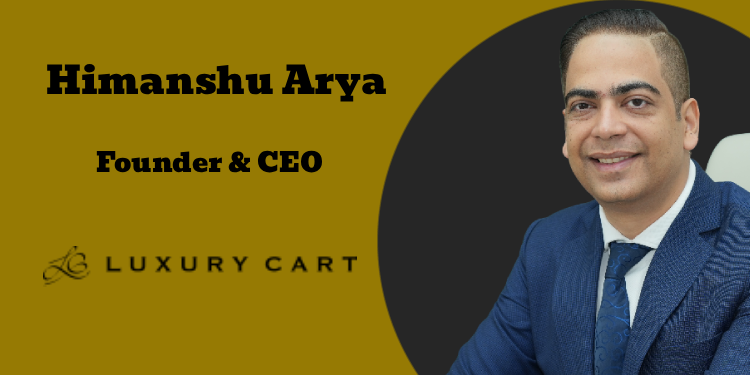
Medianews4u.com caught up with Himanshu Arya, Founder, CEO Luxury Cart
Q. Could you walk us through the thought process behind curating a premium experience for customers at Luxury Cart?
It is not just about product selling anymore, it is about the overall experience a person goes through while buying a vehicle. We are determined to provide an experience where the customer feels valued.
Every stage is important for us; right from the first point of contact, whether on the phone or in person, to the test drive, the car experience, the transaction, and the final delivery. During this process the customer is often anxious, but gradually gets comfortable with us. We focus heavily on relationship building and on creating comfort for our buyers. The idea is to redefine the experience of purchasing a vehicle by inculcating trust, fairness and building long lasting relationships.
 Q. How do brand associations or endorsements influence consumer trust in the pre-owned luxury car market?
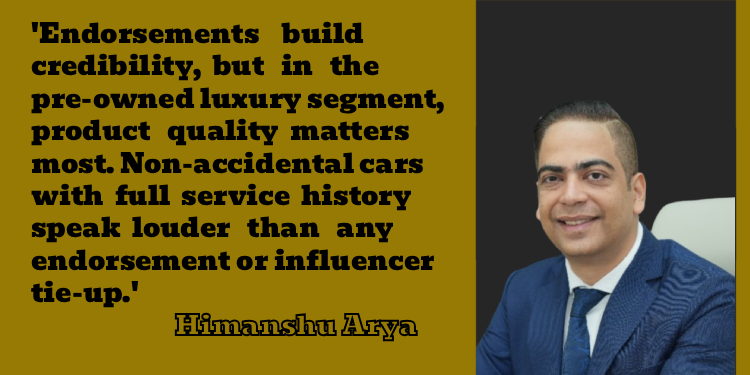
It is imperative that all products and services indulge in endorsements and associations today. Since the pre-owned luxury car market is a very niche segment, it is crucial to associate with respected names in the automobile industry and auto influencers to establish a credible space.
Furthermore, keeping the right products should be the key priority, which means cars that are non-accidental and come with a complete service history. So, endorsements obviously help brands to gain visibility, but the product quality itself is the most important factor.
Q. What channels and marketing mix work best for reaching potential luxury car buyers in India?
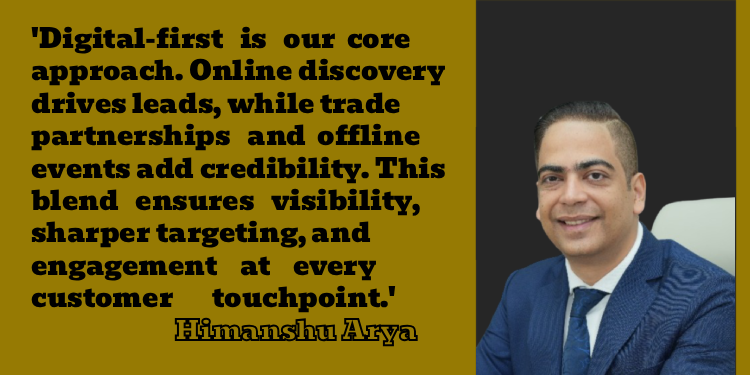
Digital is the first and most important channel for us. We also rely on trade marketing and offline activities, but we understand the value of being a digital-first player in this era. Apart from visibility, digital gives us sharper targeting, and allows us to track interest and engagement more accurately. Many of our leads originate from online discovery, when further move to the phase of test drives and in-person interactions. Offline events and trade partnerships add credibility, but digital is where the real conversation begins. This mix ensures that we are present at every stage of the customer journey, both online and offline.
Q. How do you position Luxury Cart as both an aspirational and practical choice for customers, and how does this differ from traditional dealerships?
Luxury cars are aspirational by default, but since we are offering pre-owned cars, they also become a more practical and value-driven choice. Buying a luxury car is a dream for many, and if it can come at great value, it makes even more sense.
Traditional dealerships do not offer this mix of aspiration and value, which is where Luxury Cart is different. We also remove a lot of the anxiety that comes with pre-owned purchases through warranties, service packages and transparency. This balance between aspiration and practicality allows us to serve a wider audience. In a way, we are democratising access to luxury without diluting its exclusivity.
Q. Which customer segments and geographies are you targeting, and how do you balance retail walk-ins versus digital leads?
We focus on HNIs and Ultra HNIs, mainly in Gurgaon and South Delhi. As for retail walk-ins versus digital leads, both are equally important and both lead to conversions. There is no balance as such, one would like to maximise both at any point of time. Walk-ins give us stronger personal connections, as customers experience the cars directly. Digital leads on the other hand widen our funnel, bringing in serious as well as aspirational buyers. Together they complement each other, with digital often driving the first contact and walk-ins closing the loop.
 Q. Selling pre-owned luxury cars involves a longer decision cycle. What challenges does this create, and how do you address them?
The average decision cycle is 50 to 60 days. Customers first decide their budget, then research available products. During this time their choices often switch between new and pre-owned cars, which is a big challenge.
Once they are clear, the decision then depends on specifics such as colour, mileage and budget. These factors cause delays, but our consultative selling approach helps customers take faster decisions and close the purchase.
Q. How important is emotional connection such as fulfilling a “dream car” aspiration in closing a sale?
In most cases customers today are practical in their decision making. Emotional connect plays a role only in certain cases, such as when someone is buying their first luxury car.
For them it may feel like fulfilling a dream or an upgrade. But in general, in the pre-owned luxury category, emotion is not the primary driver. Having said that, the feeling of owning a luxury badge like a BMW or Mercedes cannot be ignored. Even practical buyers end up feeling proud when they take delivery, and we try to make that moment memorable.
Q. Does the festive season see a rise in demand for pre-owned luxury vehicles, and how do you prepare for it?
Yes, demand definitely rises during the festive season as many people want to match budget and aspiration. We prepare by stocking inventory in advance, usually in August and September, so that we are ready for October.
Many customers time big purchases with festivals like Diwali, as it carries both cultural and emotional significance. It is also a period when people are more open to celebrating milestones, including car ownership. By anticipating this demand, we ensure customers do not face delays or limited choices during the festive rush.
 Q. How important are auto expos, luxury lifestyle events, and industry gatherings in driving brand visibility?
They are quite important. We have already started participating in such events, and the more present we are, the more it helps in brand building and visibility. These platforms give us the chance to interact with serious buyers in the right context.
It also positions us alongside other luxury brands, which elevates our own image. Beyond sales, such visibility builds long-term trust and keeps Luxury Cart top of mind for aspirational buyers.
Q.. How do you attract younger buyers, especially Gen Z, to consider pre-owned luxury cars?
Gen Z is very practical and does not carry the stigma of buying pre-owned. They are focused on value and are willing to make smarter choices within a set budget.
This makes it much easier to convince them compared to older generations, who often prefer new cars. Their decision-making is also influenced by social media, where luxury cars are seen as lifestyle symbols. For them, pre-owned offers a quicker and smarter way to achieve that lifestyle without waiting for years. By speaking their language digitally and showing value upfront, we are able to connect with them effectively.
Q. With the rise of “Instagrammable” lifestyles, how does Luxury Cart integrate aesthetics and social media appeal into its customer experience?
We focus a lot on creating Instagrammable moments, especially during car deliveries. Delivery videos and showroom experiences are designed to make an impression.
Sometimes customers also request personalised delivery setups to amplify their celebrations, and we ensure those demands are met to make it memorable. Social media has become a way for buyers to share milestones, and our role is to make those moments visually appealing. Every delivery is treated like an event, which not only delights the customer but also amplifies our brand organically on digital platforms.
Q. How do you help customers view a luxury car not just as a vehicle, but as a lifestyle statement?
The cars we deal in, like Mercedes, BMW or Porsche, are lifestyle vehicles by default, not just means of transport. Customers come with aspiration in mind, and when the experience and value are added to it, the car automatically becomes a lifestyle statement.
Owning these vehicles often signals success, achievement and personality. We help them see how it goes beyond utility by curating the delivery and ownership journey in a premium way. From personalisation to after-sales support, everything is designed to reflect that the car is part of their identity, not just a purchase.
 Q. How is AI or technology aiding in areas like pricing, inventory management, and hyper-personalisation for customers?
Technology plays a vital role in pricing and inventory management. With digital penetration, price discovery has become very easy. Based on age, mileage and colour, automatic pricing models help us decide the right price.
Demand and supply cycles also guide which cars should be in inventory. If we keep cars that are not in demand, footfalls reduce, but if cars are priced right, footfalls and enquiries increase both online and offline.
As for AI, the data set in this industry is still limited, so usage is basic. We are using technology, but AI is not yet used at its full potential. Hyper-personalisation, however, is important. Capturing customer preferences and showing relevant products helps them decide faster, which shortens the sales cycle.