From e-commerce in the metros to phygital and physical in the rural hinterlands, the consumer is no longer one who wonders “What a brand sells?” but “What a brand stands for?”
From the swanky iPhone of the world to services that get fulfilled over the click on a smartphone, our era is indeed getting defined by transparency and redefined by judicious and knowledgeable consumers. In fact, once marketing was considered as a matter of leaving consumers spellbound, but today the trend is to weave a long-lasting message of purpose and trust.
The traditional marketer has thus shifted from one who would perform things such as decoding the marketing mix to one who shapes corporate conscience and puts brands into an introspective drive on better ways to communicate. But that resulted in a far bigger question for the marketer – how does one embed purpose into every facet of the organisation while balancing the marketing fundamentals?
CMO Evolution from Storyteller to…
Contemporary CMOs now influence organizational culture, governance frameworks, and even provide strategic business direction. They also collaborate across sustainability teams, human resources, product development, and executive leadership to ensure purpose permeates every function. However, such an expanded mandate requires CMOs to integrate purpose into brand strategy, customer experience design, and organizational decision-making processes.
According to a study by Havas Media, 77% of consumers preferred buying from companies that shared similar values. It was the marketer who converted abstract values into tangible actions which resonated with consumers. In India, examples of this approach include the likes of Tata Tea with their ambitious ‘Jaago Re’ campaign, or Surf Excel with ‘Daag Acche Hain’, or even Patanjali that has managed to curate a culture around Ayurvedic products.
So, more brands are vying to instil brand identity by narrating stories. And this makes the CMO job slightly daunting, considering CMOs not only have to shape what brands say in their campaigns but also convincingly curate a culture for those messages to be adopted internally. Essentially, CMOs end up becoming architects of organizational purpose and building frameworks that connect internal culture with external perception.
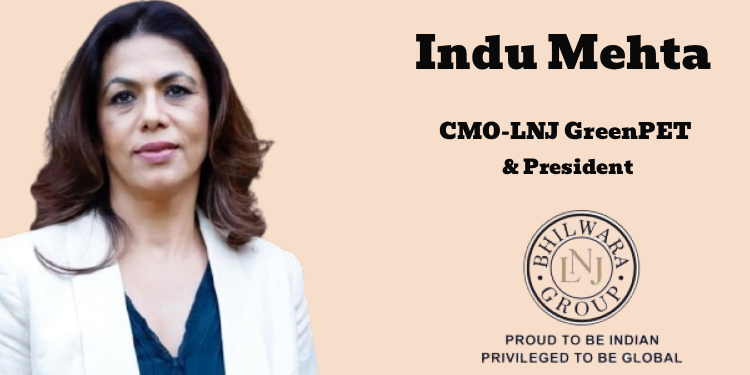
At the LNJ Bhilwara Group, there’s a purposeful philosophy that guides every move. Abbreviated as G.R.I.P., the culture is defined across four pillars – Giving back to society, Respect for the individuals, acting with Integrity, and fostering Passion for excellence.
This framework informs decisions across business lines, ensuring purpose is not an abstract ideal, but daily practice. Integrity, one of the G.R.I.P pillars, ensures that every brand promise is backed by transparent commitment and honest action, minimizing purpose washing and building a resilient reputational capital.
Twin Engines of Brand Leadership
As messaging gains prominence, there is also a learning that sustainability is more than just a keyword. In addition, it extends beyond environmental concerns to encompass things such as operational integrity, enterprise compassion, supply chain transparency, and even long-term thinking. A few years ago, a prominent Indian bank installed spikes to prevent homeless people from sleeping outside the commercial premises of the bank.
People labelled the bank’s move as insensitive and the bank’s corporate communication team and agencies had to douse the fire that raged for weeks. So, modern consumers are not only scrutinising whether the product or service is sustainable but also concerned with how the brand delivers its commitment.
Since marketing has evolved to influence culture, we are also witnessing a renewed focus on ethical communication. Today, audiences have a sophisticated detection system for inauthenticity and may quickly identify and reject “purpose-washing,” where brands claim values without demonstrating genuine commitment through concrete actions and investments. Brands that work with ethical considerations build a resilient reputation, which can withstand scrutiny and crisis.
Impact Becomes Influence
Purpose-led storytelling differs fundamentally from promotional content. While traditional marketing amplifies product features and benefits, purposeful narratives illuminate real initiatives, community impact, product innovations with social benefits, and authentic workplace culture. These stories demonstrate commitment rather than tall claims.
CMOs skilled in purposeful storytelling use narrative to make abstract values tangible. They showcase how sustainability commitments translate into renewable energy adoption, how ethical sourcing supports local communities, or how inclusive hiring practices strengthen organizational culture. Digital platforms amplify these authentic stories, enabling direct dialogue with stakeholders and creating transparency that builds trust.
However, storytelling works only when backed by consistent action. Audiences quickly identify disconnects between narrative and reality. The most effective purpose-led communication focuses less on self-congratulation and more on sharing journeys, including challenges and learnings. This honesty creates connection, transforming consumers into advocates who trust the brand’s intentions and celebrate its progress.
Turning It Into An Enterprise-Wide Movement
Authentic purpose extends across every organizational dimension. It must guide product development decisions, supply chain management, customer experience design, and the selection of partnerships. The CMO becomes a strategic orchestrator, ensuring purpose manifests consistently across all touchpoints rather than remain confined to marketing communications.
This enterprise-wide approach requires new measurement frameworks. Traditional marketing metrics are insufficient for evaluating purpose-driven initiatives. Forward-thinking organizations track trust scores, customer retention rates, brand affinity metrics, and social impact indicators. These measurements demonstrate how purpose translates into business outcomes, justifying investments and guiding strategic adjustments.
Purpose becomes meaningful when it is measurable. CMOs must establish clear benchmarks, monitor progress transparently, and communicate results honestly to stakeholders. This accountability transforms purpose from aspiration into operational reality, embedding it within organizational DNA and making it sustainable across leadership transitions and market changes.
Trust Is New Currency
Purpose-driven leaders will define business resilience and brand loyalty in the coming decade. As consumers become increasingly discerning and stakeholder expectations continue to rise, organizations grounded in authentic purpose will navigate uncertainty with greater agility and maintain stronger relationships through disruption.
CMOs will increasingly drive boardroom conversations, bringing market insights, cultural intelligence, and stakeholder perspectives to strategic discussions traditionally dominated by financial and operational considerations. Their unique position connecting internal culture with external perception makes them invaluable architects of organizational transformation.
The future of brand leadership will not be defined by campaigns but by values in action. Organizations that embrace this evolution, empowering marketing leaders to shape purpose at the enterprise level, will build enduring competitive advantages rooted in the most valuable currency: stakeholder trust.
(Views are personal)