Monday, March 2, 2026
MediaNews4U
  • Exclusive
  • Advertising
  • Media
    • Radio
    • Cable & DTH
    • Print
    • Digital Frontier
    • Gaming Nexus
  • Television
  • OTT
  • Ad-Tech
  • Marketing
  • Campaigns
  • Analysis
  • Opinion
    • Opinion
    • Think Through
    • Prescience 2023
    • Prescience 2024
  • People
  • Events
    • Leader Speak
    • STRAIGHT TALK
    • Gamechangers
    • Print & TV Summit
MediaNews4U
  • Exclusive
  • Advertising
  • Media
    • Radio
    • Cable & DTH
    • Print
    • Digital Frontier
    • Gaming Nexus
  • Television
  • OTT
  • Ad-Tech
  • Marketing
  • Campaigns
  • Analysis
  • Opinion
    • Opinion
    • Think Through
    • Prescience 2023
    • Prescience 2024
  • People
  • Events
    • Leader Speak
    • STRAIGHT TALK
    • Gamechangers
    • Print & TV Summit
MediaNews4U.com
Home Authors Corner

Most Brands Are Designing for Attention but Winning Brands Design for Memory

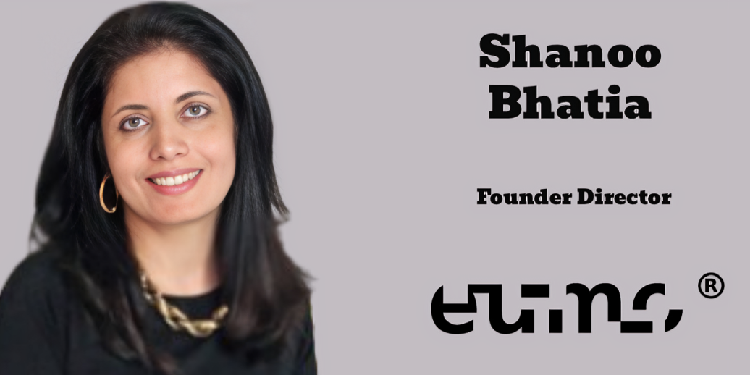
In this article, Shanoo Bhatia, Founder Director, EuMo, explains that winning brands move beyond chasing attention to designing for lasting memory through distinctive design, emotional storytelling, multi-sensory experiences, and consistent brand cues that build recall and loyalty.

by Guest Column
March 2, 2026
in Authors Corner
Reading Time: 4 mins read
A A
Most Brands Are Designing for Attention but Winning Brands Design for Memory
Share Share ShareShare

The attention economy has brands scrambling to grab eyeballs. You have mere seconds to stand out to be unforgettable. The real edge lies in grabbing attention immediately in a way that the memory process of your audience begins and lasts. But even a flash of attention won’t build loyalty on its own. Winning brands invest equally in long-term recall by embedding their message deeply into the mind.

Cluttered feeds and endless ads mean brands must capture interest in an instant. Sensory novelty and surprise are key where unexpected visuals or storytelling breaks through the brain’s filtering system. Strong emotional cues or dramatic ‘peaks’ command focus. In practice, this might mean opening with a striking image, a bold claim or a visceral scene.

However, attention alone isn’t enough. The first priority is to engage in those critical 3–8 seconds, but brands can’t stop there. If the initial hook fails, any potential memory trace vanishes. Thus, ad and design strategy must blend immediate interest with the seeds of future recall.

Designing for recall and memory

Once you have attention, the goal is to lock in memory. The question for brands is: how do you design experiences that the brain will file?

  • Distinctive, Simple Design: Memorable branding is about clarity. Use repeatable elements, unique colors and shapes so your brand cues become mental “anchors”. Memorable branding guarantees recognition. By contrast, trendy or complex designs may turn heads but not necessarily stick in memory. Test yourself: would a friend recognise your logo or color scheme weeks after seeing it? If not, it’s time to rethink the design’s distinctiveness.
  •  Emotional Storytelling: Stories are the brain’s preferred way to remember. We remember narratives better than raw facts. A strong story arc with emotional peaks ensures an experience stays alive in the heart and mind. This aligns with the Peak-End Rule from behavioral science: people remember experiences based on the most intense (peak) moment and how the experience ends. Marketers can use this by crafting narratives that build to a powerful emotional climax, then end on a high note. Emotions activate memory centers in the brain; ads or experiences that inspire joy, inspiration, or even catharsis are far harder to forget.
  •  Multi-Sensory Engagement: The more senses involved, the stronger the memory. Multi-sensory experiences create stronger brand connections than visuals alone. In other words, if you can hear it, touch it, or even smell it, then you’re far more likely to encode it in memory. Experiential centers exemplify this: visitors aren’t just watching a film, they’re walking through an environment, touching displays, hearing ambient sound and smelling context-appropriate scents. This “4D” immersion akin to walking into a scene from a favorite film makes the brand story very concrete. Audiences in multi-sensory activations show measurably higher recall of the brand later.
  •  Consistency and Repetition: Repeat exposures cement memory. Be it a logo, jingle, or color palette, every time a brand element appears: the memory trace grows stronger. Distinctive assets must be protected and used consistently across channels. Consistency simplifies cognitive load for consumers: familiar elements become mental shortcuts (That shape/color/tone feels like brand X), building preference through familiarity. In practice, this means aligning visual identity, messaging and tone across offline and online touchpoints so customers encounter the same cues in every ad, email, store, or video.

Together, these ensure that after you catch someone’s attention, the brand message lodges in their mind and is easily recalled at the next buying moment.

The power of story and experience

You can see these principles in action through the design of immersive brand centers. These are physical spaces that tell a company’s story. A visitor experience center can provide a multi-media surround experience that allows people to truly immerse themselves in the story of an institution. This is an example where visitors can walk through narratives of the “life” of the environment and values, not with their eyes glued to phone screens, but fully engaged. People are left with a newfound appreciation for our institution and its values. This illustrates how an attention-grabbing entry (state-of-the-art audio/visual intro) combined with a deeply immersive journey can create an emotional imprint that lasts.

Immersive design helps audiences discover facilities within one high-end environment, creating faster decision-making. In other words, by living the brand story rather than just hearing about it in a slide deck, stakeholders built trust quickly. (A dull slide presentation can put people to sleep but exploring a “Hogwarts-like” branded environment keeps the heart racing and the memory fresh.

Even in purely digital or packaging design, the same ideas apply. A unified visual identity with a clear storyline helps unify the company’s marketing communication, making its message more memorable. When design conveys deeper meaning, the mind and heart are connected. The pay-off is real: companies that invest in design benefit from dramatic business returns. In short, focusing beyond short-lived attention spans to create lasting brand impressions pays off.

Balancing Short-Term Attention and Long-Term Recall

Grabbing attention and building memory are two sides of the same coin. Short-term hooks lead people into your brand narrative; long-term recall ensures you stay top-of-mind. If you live only for the click or the view count, your impact will fade as quickly as it arrived. But if your design vision also embeds the brand’s story, values and emotions, then each interaction becomes a seed of future loyalty.

In practice, that means a campaign or environment should be crafted as a cohesive journey: start with a striking entrance to secure attention, then guide visitors through a memorable sequence that engages the heart. Every element, be it visual, auditory or tactile, should echo the brand so that people leave with an “I know who you are” feeling, not just “hey that was nice.” Over time, this creates mental shortcuts: your brand pops to mind first in relevant situations.

Attention gets you a seat at the table, but memory wins the whole conversation. The smartest brands design for both. They use bold, sensory hooks to earn attention in the moment and then follow through with stories and sensory details that root the brand in people’s minds for the long term. The result is a brand that not only grabs eyes, but also holds hearts: a true mark of a winning brand.

(Views are personal)
Tags: EuMoShanoo Bhatia

RECENT POSTS

From Commissioned Content to IP Ownership: Why Control Is the New Currency in Media
Authors Corner

From Commissioned Content to IP Ownership: Why Control Is the New Currency in Media

February 28, 2026
0

For years, the Indian content business functioned within a clear structure. Platforms commissioned. Production houses executed. Audiences consumed. The system...

Read moreDetails
Why High-Performance Marketing Teams Think Like Athletes
Authors Corner

Why High-Performance Marketing Teams Think Like Athletes

February 28, 2026
0

A majority percent of digital marketing decisions today are guided by performance data, automation, and real-time optimisation. Yet, access to...

Read moreDetails
Why Modern CMOs are Trading Fragmented Tactics for a Single Search Engine
Authors Corner

Why Modern CMOs are Trading Fragmented Tactics for a Single Search Engine

February 27, 2026
0

For years the marketing department in India operated like a collection of high-walled kingdoms. You had the SEO team focusing...

Read moreDetails
From Campus Rivalries to National Leagues: Building India’s College Esports Future
Authors Corner

From Campus Rivalries to National Leagues: Building India’s College Esports Future

February 26, 2026
0

India’s esports market is expanding rapidly, but its long-term sustainability will depend on how effectively it builds grassroots pathways. While...

Read moreDetails
The Second Screen Effect: How Brands Can Capitalize on Dual Viewing Experiences
Authors Corner

The Second Screen Effect: How Brands Can Capitalize on Dual Viewing Experiences

February 25, 2026
0

Cricket no longer lives only on television. It lives in the palm of the hand. A fan may sit in...

Read moreDetails
The creator economy 2.0: How platforms are empowering digital talent
Authors Corner

The creator economy 2.0: How platforms are empowering digital talent

February 24, 2026
0

The creator economy has entered a new phase where digital talent is no longer limited to just posting content and...

Read moreDetails

LATEST NEWS

LIA Opens 2026 Awards Season With 35% Entry Discount; Adds Six New Categories

LIA Opens 2026 Awards Season With 35% Entry Discount; Adds Six New Categories

March 2, 2026
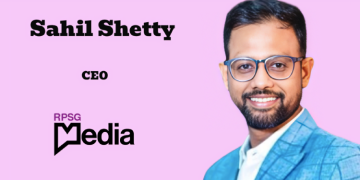
Sahil Shetty to join RPSG Media as CEO

Sahil Shetty to join RPSG Media as CEO

March 2, 2026

ANALYSIS

Gen X to drive over $500 billion in consumption by FY30: RedSeer Report
Analysis

Gen X to drive over $500 billion in consumption by FY30: RedSeer Report

February 28, 2026
0

Mumbai: RedSeer has highlighted a significant shift in India’s consumption landscape, with Generation X emerging as a powerful yet understated...

PEOPLE

Sahil Shetty to join RPSG Media as CEO
People

Sahil Shetty to join RPSG Media as CEO

March 2, 2026
0

Mumbai: RPSG Media has appointed Sahil Shetty as its Chief Executive Officer. He is set to join the organisation on...

MARKETING

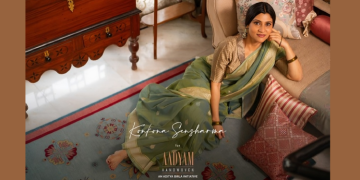
Aadyam Handwoven collaborates with Konkona Sensharma to champion handloom craftsmanship and Artisan livelihoods
Marketing

Aadyam Handwoven collaborates with Konkona Sensharma to champion handloom craftsmanship and Artisan livelihoods

February 28, 2026
0

Mumbai: Aadyam Handwoven, the corporate social enterprise from the house of Aditya Birla Group, has announced a collaboration with acclaimed...

Subscribe to Newsletters

ADVERTISING

Chinese Wok awards integrated mandate to Havas Creative India and Arena Media
Advertising

Chinese Wok awards integrated mandate to Havas Creative India and Arena Media

March 2, 2026
0

Mumbai: Lenexis Foodworks-owned Desi Chinese QSR chain Chinese Wok has consolidated its creative, social, and media mandate with Havas Creative...

PRINT

Print Ad space up 21% since 2021; Auto Sector leads with 16% share in 2025: TAM AdEx
Print

Print Ad space up 21% since 2021; Auto Sector leads with 16% share in 2025: TAM AdEx

February 20, 2026
0

Mumbai: Print advertising continued its steady recovery and consolidation in 2025, with ad space per publication registering a 21% growth...

AUTHOR'S CORNER

Most Brands Are Designing for Attention but Winning Brands Design for Memory
Authors Corner

Most Brands Are Designing for Attention but Winning Brands Design for Memory

March 2, 2026
0

The attention economy has brands scrambling to grab eyeballs. You have mere seconds to stand out to be unforgettable. The...

UPLIFT MEDIANEWS4U DIGITAL PVT LTD
No. 194B , Aram Nagar 2, JP Road,
Versova, Andheri West
Mumbai - 400061

For editorial queries:
[email protected]
[email protected]

For business queries:
Smitha Sapaliga - +91-98337-15455
[email protected]

Recent News

Most Brands Are Designing for Attention but Winning Brands Design for Memory

Most Brands Are Designing for Attention but Winning Brands Design for Memory

March 2, 2026
LIA Opens 2026 Awards Season With 35% Entry Discount; Adds Six New Categories

LIA Opens 2026 Awards Season With 35% Entry Discount; Adds Six New Categories

March 2, 2026
Sahil Shetty to join RPSG Media as CEO

Sahil Shetty to join RPSG Media as CEO

March 2, 2026

Newsletter

Subscribe to Newsletters

Medianews4u.com © 2019 - 2025 All rights reserved.

  • The South Side Story 2023 Download Report
  • Goafest 2023: Day 3
  • Goafest 2023: Day 2
  • Goafest 2023: Day 1
  • Straight Talk Gallery 2022
  • The South Side Story 2022 Download Report
  • Focus 2022
  • Futurescope Conclave Gallery 2022
  • The South Side Story 2021 Download Report
  • FOCUS 2021
  • Exclusive
  • Exclusive
  • Advertising
  • Media
    • Radio
    • Cable & DTH
    • Print
    • Digital Frontier
    • Gaming Nexus
  • Television
  • OTT
  • Ad-Tech
  • Marketing
  • Campaigns
  • Analysis
  • Opinion
    • Opinion
    • Think Through
    • Prescience 2023
    • Prescience 2024
  • People
  • Events
    • Leader Speak
    • STRAIGHT TALK
    • Gamechangers
    • Print & TV Summit

Medianews4u.com © 2019 - 2025 All rights reserved.