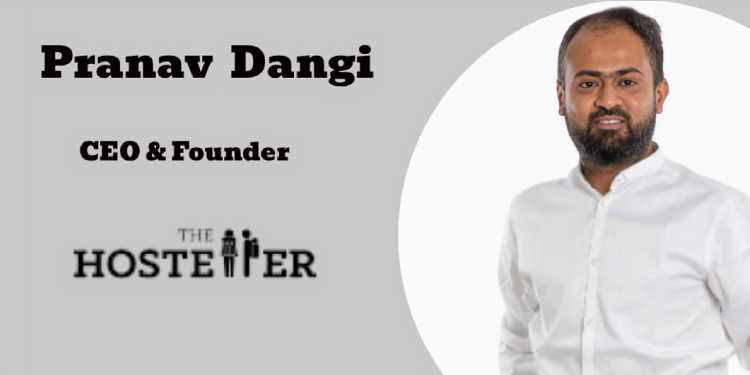
Founded in 2014 and headquartered in Mumbai, The Hosteller is a fast-growing backpacker hostel chain present in 55+ Indian destinations. Built around the spirit of “young at heart” travelers, it redefines affordable and experiential stays through community, design, and tech-led standardisation.
Driven by founder & CEO Pranav Dangi’s vision, The Hosteller has evolved into a sanctuary for budget-conscious, experience-driven explorers. With 600+ employees, a strong tech backbone, and a commitment to self-operated hostels, it ensures consistency, hospitality, and immersive experiences across properties.
Having raised over $1 million so far, the brand now aims to scale to 500+ destinations by FY27/28, expand globally, and eventually go public. Its latest campaign, #BaarishMeinBunk, celebrates monsoon travel culture while showcasing The Hosteller’s narrative-led approach to modern hospitality.
Medianews4u.com caught up with Pranav Dangi, CEO and founder, The Hosteller
Q. Let’s start with #BaarishMeinBunk, What sparked this nostalgic and wildly relatable idea? Was there a personal memory behind the campaign?
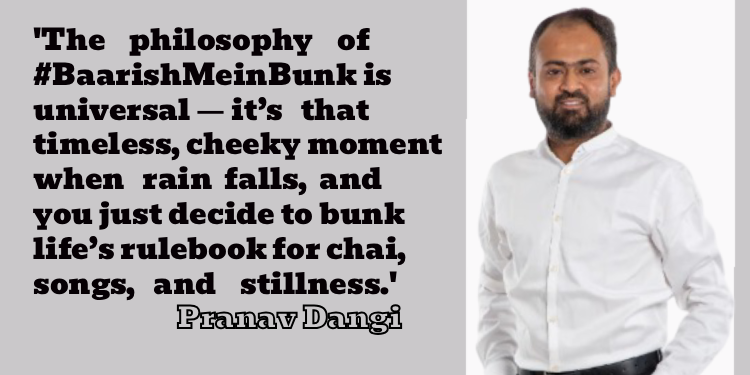
The philosophy of #BaarishMeinBunk runs deep and strikes a chord in almost every individual who has lived Indian adolescence. Remember your student days. Remember how unexpected rain would begin, and you would share a knowing look with a friend and propose, “Let’s not go today. Let’s bunk”?
That moment of momentary pause,that act of rebellion against the rulebook, this desire to unwind with a piping hot cup of chai and allow the world to slow down — this is the spirit of the campaign.
For us, it was about imbibing that human element in travel. We just sat as a team and began sharing our own monsoon memories — bunking class to walk for hours, rain-soaked train rides, singing on hostel rooftops, those little things that ultimately meant so much.
What struck us was that the monsoon is not weather — it’s an emotion. And that’s how #BaarishMeinBunk happened. We wanted to give people permission to do nothing. To escape. To let go of structure. And what better moment than when it’s raining and the world already seems to be telling you to stop?
Q. With #BaarishMeinBunk, you’re not just selling a bed in the hills, you’re selling late-night sells feeling over function?
This is one aspect of our business that we approach with careful planning. Finding places to rest is relatively easy, but the bigger issue is the emotional experience of one’s trip. In retrospect, we find that most of our memories of travel are not of the physical accommodations, but rather of the people we encountered, the conversations that we shared, and the unique but special traditions that we discovered while we were out of town. At The Hosteller, we’re all about creating experiences that latch on to those in-between moments that fall through the cracks of the typical schedules.
Some of these include: having maggi at midnight with a group of new strangers who turn into friends later. Or, sharing headphones on the roof on a rainy day. Or, when someone does some writing in a corner, and then someone else walks in and says, “Hey, I write too.”
We create the space, but not the script. Not about checklists and scripted tours — about giving moments space to breathe. And when folks leave that type of experience, they don’t walk out and say “the room was clean.” They say, “I felt something here.”
Q. The monsoon has always held a special place in Indian hearts. How is The Hosteller turning this season into an experience rather than just a booking?
The monsoon is not only perceived as a phase of the calendar; rather, it is a state of mind. The monsoon is characterized by softness, reflectiveness, and a touch of chaos—presented in the best possible manner.
The monsoon calls for a slowing down of pace, a slowing down that leads people to observe finer points—such as the earthy smell, the feeling of rain on metal roof, and the quietness following a clap of thunder.
At The Hosteller, we’ve taken that vibe and crafted experiences out of it. Rather than promoting outdoor activities, we create indoor ones — poetry sessions, film nights, chai sessions where individuals discuss everything from travel to break-ups.
The rain brings individuals closer — literally and emotionally. Individuals who might otherwise have gone trekking end up playing board games, singing together, cooking together. There’s something intimate about being indoors while the outside world is drenched — and we play to that. Monsoon to us is not a hindrance. It’s a chance to connect deeper — with yourself, with others, with nature.
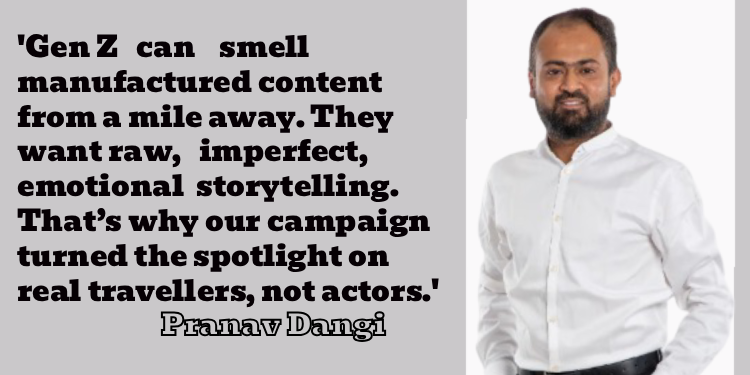
Q. From chai terraces to guitar nights, the campaign focusses on raw, real moments. How did you curate this aesthetic to connect so strongly with Gen Z and millennials?
Naturally. We simply allowed people to be. We didn’t want to create a perfect image ad campaign with scripting and actors. Because that’s no longer what speaks to people. Gen Z and millennials are two of the most emotionally intelligent and creatively expressive generations we’ve ever encountered. They can sniff out manufactured content from a mile away. As such, we turned the limelight on our guests.
We gave artists, travellers, and even hostel staff a chance to express their true, flawed, and beautiful experiences — be it singing in the rain, writing in the lounges, or dancing in dirty shoes. We asked them to capture their true experiences — the imperfect, spontaneous, and meaningful ones.
Strangely, it was at these times that the most profound connections were established. People are not looking for another smart brand to communicate with them one way; they want to be included in the story instead. This was what they were given.
Q. The ‘bunk and bolt’ idea is gaining traction among remote workers and students. How is The Hosteller creating space for this kind of modern escape?
We see it every day — individuals fed up with gazing at the same four walls, reserving a weekend at The Hosteller with their laptop and aspirations for fresh air. And the reality is, this new generation is no longer waiting for retirement or extended holidays. They are creating a lifestyle in which work and escape can coexist.
Our facilities have been designed to be very flexible and welcoming to remote work. We provide stable Wi-Fi, designated spaces for work, and quiet spaces suitable for calls—our facilities have these features. We also emphasize balance in work-life balance.
One can end a Zoom call and then continue to enjoy a bonfire night with new acquaintances. Also, it is possible to complete an assignment and then take a stroll through the woods. It’s not just a place to work from home. It’s a place to live abundantly while doing so.
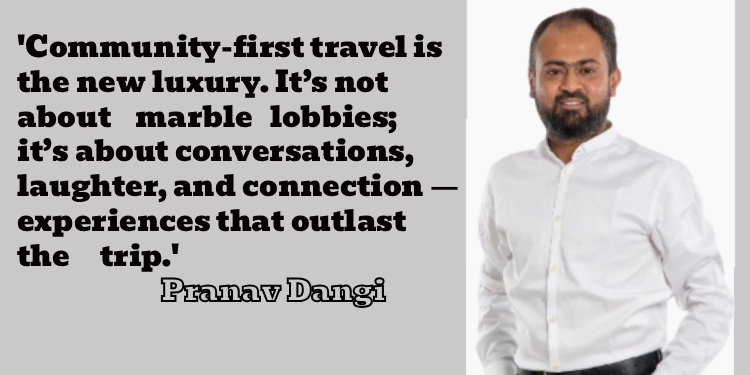
Q. In an age of solo trips and self-discovery, how is The Hosteller shaping the new wave of budget-luxe, community-first travel across India?
We’re building a place where individuals can be alone without being lonely — and that’s powerful. Solo travel is becoming increasingly popular, and it should be. It’s empowering, it’s healing, and it’s freeing. But it’s also intimidating. That’s where we step in.
You can check in alone at The Hosteller but still experience the feeling of belongingness. You can very well participate in a game night, receive a call to accompany someone on a trail, or simply unwind in a serene atmosphere with other travelers. The choice is yours. Above all, our approach is the creation of warm spaces and communities and not the kind that scares people.
And there’s the “budget-luxe” aspect, too. We give you all the good-feeling looks, thoughtful touches, and warm smiles that folks have come to expect from high-end accommodations — minus the price tag. That comfort and connection are yours to have. That’s our promise.
Q. How do you ensure that every Hosteller property maintains its sense of community, while still being unique to its location, especially during the monsoon?
Each hostel has its own story, which we simply love. We curate our stays to mirror the local culture—through architecture, art, and food. So, you may see a Himachali thali somewhere, a Goan beach night somewhere else, and maybe tribal paintings at one of our hostels in the Northeast. But the DNA which runs through all properties is the same—it is characterized by the individual Hosteller energy.
The social aspect of playlists is important. The scent of coffee that pervades the common area is important. A stranger inviting another to join them in their chips is a demonstration of hospitality. This sense of belonging — that one belongs here, no matter where they came from or where they are headed — is the common denominator for all our hostels.
Q. Travel branding is moving beyond glossy ads to more emotional, narrative-driven storytelling. How does The Hosteller walk the line between authenticity and marketing impact?
We do not see them as separate things. Authenticity is our marketing philosophy to us. We do not believe in the strategy of creating perfect travel experiences or hiring influencers to deliver on messages they do not actually support. Most of our most powerful stories come from people who have stayed with us — spoken in their own voice, in their own terms.
We immerse ourselves in listening and observation, then amplify the stories that emerge. A person writing down her thoughts during rain. A group of friends laughing as they play board games.
A man making chai for the whole shared living area. These are real experiences that express who we are to the world. And when you build a brand founded on truth, no need to yell. They come to you by themselves.
Q. Looking ahead, what’s next for The Hosteller in terms of expansion, innovation, and community-driven campaigns? Any more seasonal stories on the horizon?
The desire is great and well established in reality. We are already poised to open 100 hostels across India, with further development plans in Southeast Asia. But for our company, growth is not just about acquiring more properties; it is about offering more meaningful experiences.
We’re building technology to simplify travel — faster check-ins, better discovery, tailored recommendations. But we’re also keeping our feet on the ground with storytelling. After #BaarishMeinBunk, we already have plans for seasonal stories on autumnal nostalgia, winter warmth, and even summer wanderlust. Each season brings a new emotional color, and we want to share those stories in a way that makes people feel.
Q. In a world obsessed with ‘plans’, why do you think today’s travellers are craving chaos, spontaneity, and unstructured moments, especially during the monsoon?
Because all the rest of life is too organized. We exist in alarms, calendars, reminders, and to-do lists. The monsoon, in a wonderfully bizarre way, shatters all that. Schedules are washed away. Roads become rivers. Hikes are cancelled. And out of that disorganisation, something enchanted occurs — people unplug.
They smile more. They bond. We’ve experienced it in our hostels. People who don’t know one another end up playing antakshari, cooking together, writing in their diaries as a group. No agenda.
No performance. Just existing. That’s what rain does — it asks you to be here, in the moment, however chaotic and unplanned it is. In an age that is so Regulation-obsessed, it is these unplanned moments that really encapsulate the essence of living.
Q. What role is AI playing for Hosteller including Agentic AI and Gen AI?
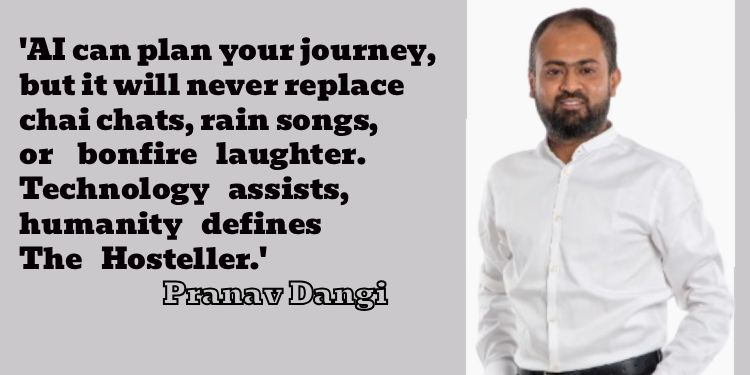
AI is beginning to have a very exciting and significant role at The Hosteller — but in a manner that never forgets the human experience. At our foundation, we’re about actual people, actual stories, and actual connections. So when we introduce AI into the mix — whether it’s Agentic AI or Generative AI — the objective is always to add, not substitute.
We’re employing AI to streamline the guest experience, making it smarter, smoother, and more personalized. Imagine a silent travel companion — alerting you to the best hotel for your frame of mind, recommending activities based on your personality, or even answering your questions in real time via smart assistants.
For example, Gen AI assists us in creating content ideas, automating simple visual storytelling, and even proposing captions that sound more natural — all within our voice. Agentic AI is so thrilling because it enables us to create systems that can autonomously make intelligent decisions — whether that’s suggesting properties based on weather patterns, local demand, or guest travel history.
It’s not about robotic automation; it’s about making travel more intuitive. But again, we’re very deliberate about this: AI assists with the tech, but the soul of the experience remains deeply human. We’ll never sacrifice that chai-chat, that happy accident jam session, or that sense of discovery about your tribe in the mountains. AI simply assists us in getting you there with greater ease.
Q. Which are the key markets and TGs being targetted for growth? How does the company leverage data analytics to better target and segment consumers?
Our first and foremost has always been the next-generation traveller young, inquisitive, open-minded individuals who prioritise experience over material possessions. That encompasses Gen Z, college students, digital nomads, young professionals, solo female travelers, and even first-time backpackers. Those are individuals who are seeking something more than a location to reside — they desire inspiration, spontaneity, and community.
Geographically, we’re seeing massive growth not just from metros like Delhi, Mumbai, and Bangalore, but also from emerging Tier 2 and Tier 3 cities. Travellers from places like Jaipur, Indore, Kochi, Lucknow — they’re planning backpacking trips, weekend escapes, and even solo work-from-anywhere adventures. We’re expanding into both popular and lesser-known destinations to meet that demand — from hidden Himalayan hamlets to beach towns and coffee estates.
On the data side, we’re actually putting analytics to work to bridge the gap with what travellers actually want. We analyse behaviour patterns — when consumers are making bookings, what type of properties they book, how long they tend to stay, what type of content they consume. That enables us to segment travellers into more useful personas, and design experiences around them — whether that’s suggesting alternative weekend breaks for students or digital worker long-stay promotions.
It’s not about numbers — it’s about comprehending mood, intent, and community trends. Data serves to make our travellers better-off, never making them feel like one of any quantity. Because, in the end, it’s still human stories and magic that occurs when you’re at the correct spot at the correct time.