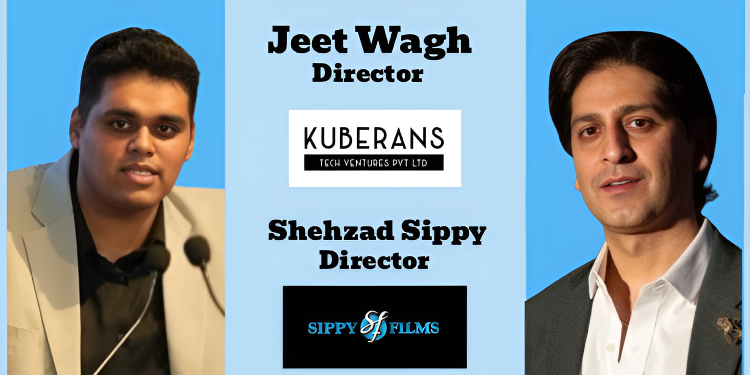
Sippy Films, a studio behind movies like ‘Sholay’, is entering a new phase of structured transformation under the custodianship of Shehzad Sippy. This transformation is supported by a strategic investment from Kuberans Tech Ventures, co-founded by Jeet Wagh. The investment has been completed at an undisclosed valuation.
A Legacy Repositioned for the Next Era
The studio’s current restructuring is shaping Sippy Films into a character IP led content company. The company will focus on responsibly expanding its iconic legacy IPs while also enabling the development of new original projects.
Medianews4u.com caught up with Jeet Wagh, Director, Kuberans Tech Ventures Private Limited and Shehzad Sippy, Director, Sippy Films
Q. Do the expectations of Kuberans Tech Ventures from Sippy Films revolve around creating long-term value?
Shehzad Sippy: Absolutely. For us, this is about building a sustainable, long-term studio model. Sippy Films carries decades of cinematic legacy, and the focus now is on structuring that legacy into enduring intellectual property. The vision is to create value that spans generations, not just immediate cycles.
Jeet Wagh: Our thesis at Kuberans Tech Ventures is centered on long-term asset creation. With Sippy Films, we are looking at enterprise value through structured IP monetisation, multi-format storytelling, and scalable brand ecosystems. Great IP, when managed correctly, becomes cultural and financial infrastructure.
 Q. Could you shed light on the various legs of the transformation envisaged for Sippy Films?
Shehzad Sippy: The transformation stands on three pillars: structured expansion of legacy IPs, development of new original content, and modernising the studio’s operating systems. We are evolving from a traditional production house into a future-ready IP-led studio.
Jeet Wagh: From our perspective, it involves IP re-architecture, tech-enabled development systems, smarter capital deployment, and a strong original content pipeline. The goal is to build a scalable studio framework that can operate efficiently in today’s global content economy.
Q. The company will focus on responsibly expanding its iconic legacy IPs while enabling new original projects. What does this entail?
Shehzad Sippy: It means protecting the emotional integrity of our classics while finding culturally relevant extensions — whether through prequels, animation, spin-offs, or new-format storytelling. Expansion cannot dilute legacy; it must strengthen it.
Jeet Wagh: Take ‘Sholay’ — it is more than a film; it is a universe of characters. Responsible expansion could include animation, gaming, collectibles, or limited-series storytelling. Simultaneously, we are building tomorrow’s original IPs so that legacy and innovation grow together.
Q. What are the learnings from the enduring appeal of movies like ‘Sholay’?
Shehzad Sippy: Character-first storytelling. The scale was grand, but the emotional depth made it timeless. Strong writing and memorable characters create repeat value across generations.
Jeet Wagh: Character is currency. Technology changes, formats evolve, but emotional authenticity remains constant. That is the biggest takeaway for any studio today.
 Q. What genres and languages will Sippy Films explore?
Shehzad Sippy: We remain rooted in Hindi cinema but are open to pan-India storytelling. We see opportunity across large-scale dramas, thrillers, action, and culturally grounded narratives.
Jeet Wagh: We are language-agnostic and format-agnostic. The aim is to build scalable stories that travel nationally and internationally, whether in Hindi or regional collaborations.
Q, Is Sippy Films open to co-productions?
Shehzad Sippy: Yes. Strategic co-productions enable scale, shared risk, and wider distribution reach. Collaboration is central to growth.
Jeet Wagh: Co-productions are integral to the modern studio model. Domestic and international partnerships help optimise capital while expanding creative horizons.
Q. How is AI reshaping the traditional studio model?
Shehzad Sippy: AI enhances efficiency — from pre-visualisation to VFX workflows. But storytelling remains human-driven.
Jeet Wagh: AI enables smarter decision-making through script analytics, budgeting simulations, and audience insights. It strengthens operations but does not replace creativity.
 Q. Is Sippy Films looking beyond theatrical releases?
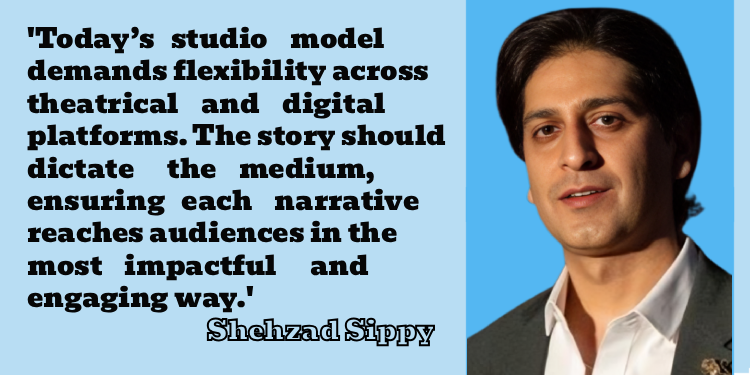
Shehzad Sippy: Yes. Theatrical remains special, but storytelling today spans OTT and digital platforms. The story should dictate the medium.
Jeet Wagh: We are platform-flexible. Some stories demand cinematic scale; others demand episodic or digital formats. The studio must adapt to where audiences are.
Q. Theatrical footfalls fell in 2026. Is it competition or content?
Shehzad Sippy: It’s both. Audiences have options, so theatrical content must feel worth the outing. When films deliver scale and emotion, audiences return.
Jeet Wagh: Expectations have risen. Theatrical must feel like an event. Strong tentpole storytelling still drives footfalls.
Q. Does a film need a cinematic feel to bring audiences to theatres?
Shehzad Sippy: Yes. The theatrical experience must offer immersion and scale that cannot be replicated at home.
Jeet Wagh: Cinema halls must deliver elevation — visually or emotionally. Without that, convenience wins.
Q. Are declining attention spans a challenge?
Shehzad Sippy: Attention spans are selective, not declining. Engagement determines retention.
Jeet Wagh: Audiences will commit to long-form storytelling if it grips them. The key is compelling narratives.
 Q. Is appealing to Gen Z and Gen Alpha a challenge when expanding legacy IPs?
Shehzad Sippy: It is an opportunity. The key lies in reinterpretation without losing authenticity.
Jeet Wagh: If legacy is translated with contemporary aesthetics and strong world-building, it can transcend generations. The goal is to build enduring character-led ecosystems that resonate globally.