FNP is a gifting brand. It offers flowers, cakes, personalised gifts, and décor across 1000+ cities.
FNP has evolved into a tech-forward gifting brand, leveraging AI, data, and storytelling to deliver hyper-personalised experiences and lead the charge in quick commerce with 30-minute delivery solutions.
Medianews4u.com caught up with Avi Kumar, Chief Marketing Officer FNP.
Q. FNP rebranded in 2022 after 27 years. How has the rebrand been received over the past three years?
The rebrand has helped FNP move from being seen as just a florist to being recognised as a full-fledged gifting brand.
It’s been well received across markets, especially among younger consumers, and has strengthened our positioning across categories like cakes, hampers and personalised gifts. Internally, it has brought clarity and consistency to how we show up across digital, retail and international markets.
 Q. How has FNP expanded into new categories like F&B since then? Any upcoming product lines you can share?
We’ve expanded meaningfully into categories like premium cakes, gourmet hampers, artisanal chocolates – with a focus on quality, presentation and quick delivery.
Recently, we launched our gourmet cakes range under FNP Luxe, alongside a limited-edition Dubai Kunafa Dark Chocolate Gift Set. Both have been well received and we continue to invest in more such innovations.
Q. How has the brand transitioned from traditional campaigns to real-time, omnichannel marketing to engage modern consumers?
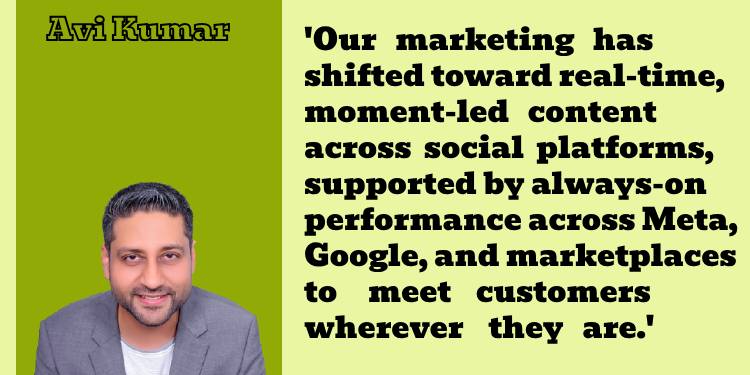
The shift has been deliberate. While traditional campaigns still play a role, a large part of our focus is now on real-time, moment-led and platform-native content. Whether it’s a topical reel, a quick-commerce banner, or a creator collab.
We’ve also built an always-on engine across Meta, Google, and marketplaces, complemented by city-level activations. The goal is to show up wherever the customer is – scrolling, searching, or shopping.
Q. With gifting being core to FNP, does most marketing activity peak during festive seasons?
Festive seasons are definitely high-impact for us, and we scale up marketing accordingly. Outside of those peaks, organic intent remains strong.
That’s the result of years of building brand love through consistent quality, thoughtful experiences, and being there when it matters.
Q. How is FNP leveraging AI and data to enhance customer engagement and optimise marketing performance? Where do you see untapped potential?
AI is playing a growing role in how we personalise communication and optimise performance. In CLM, it helps us tailor messages based on the user’s behaviour, relationship, and occasion – resulting in higher engagement and repeat purchases.
On the media front, AI is helping us plan sharper campaigns, allocate budgets more efficiently, and test creatives with greater precision. We’re also piloting city and category-level demand forecasting to make our marketing even more responsive.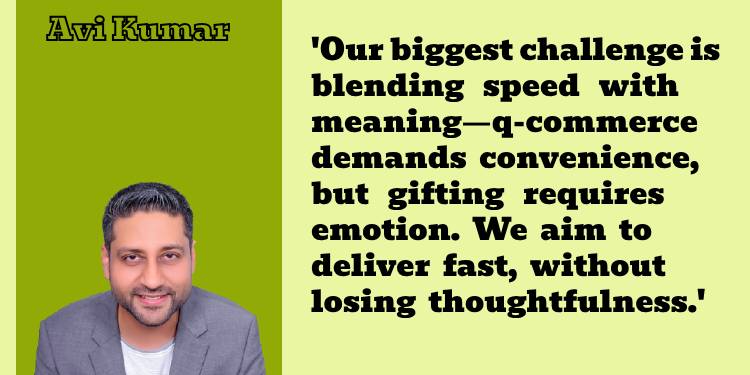 Q. The next big opportunity lies in scaling creative personalisation – dynamic visuals and messaging customised in real time. What’s the biggest challenge in building FNP as a digital-first, tech-savvy brand in the gifting and q-commerce space?
The biggest challenge is balancing speed with thoughtfulness. Gifting is inherently emotional. People want quality, presentation and a sense of meaning. But q-commerce is all about speed and convenience.
Bridging that gap without compromising on experience is where the real work lies. As a digital-first brand, we’re constantly evolving tech, logistics, and content to deliver not just fast, but well. And that’s what sets us apart.
Q. How is AI, data, and storytelling being used to create hyper-personalised experiences for your customers?
We see personalisation as more than just using a name, it’s about relevance. AI and data help us understand not just what a customer is buying, but why – the occasion, the relationship, the intent.
This powers everything from customised product recommendations to reminder journeys and dynamic creatives. Storytelling then ties it all together, helping each gift feel considered and meaningful. It’s this blend of tech and emotion that makes the experience truly personal.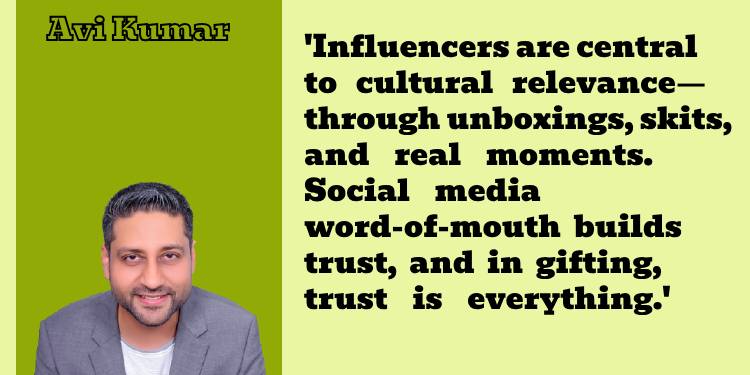 Q. How important is the 30-minute delivery model in FNP’s quick commerce strategy?
The 30-minute delivery model is a key enabler, not just a feature. It’s about matching the customer’s pace without compromising on the gifting experience.
While speed matters, what truly sets us apart is the ability to deliver thoughtful, well-packaged gift fast. That’s the bar we’ve set for ourselves.
Q. FNP has frequently partnered with Bollywood celebrities. How effective has this been in creating brand impact?
Our celebrity partnerships have always been strategic. Not just about fame, but fit. Some collaborations have helped us connect with younger audiences while others have helped reinforce FNP as a brand that’s iconic and emotionally resonant.
Such associations drive both visibility and credibility, especially during key occasions where gifting plays a central role. When done right, celebrity-led storytelling can cut through noise and anchor brand love.
Q. What are FNP’s plans around influencer marketing? How vital is social media word-of-mouth in today’s landscape?
Influencer marketing is core to how we build cultural relevance. We’re moving beyond one-off posts to more integrated storytelling. Unboxings, reactions, relatable skits that showcase our products in everyday moments.
Social media word-of-mouth is today’s recommendation engine. It’s not just about reach, it’s about trust. And in gifting, trust drives choice. We’ve seen strong results from creator-led content, especially when it’s platform-native and emotionally grounded.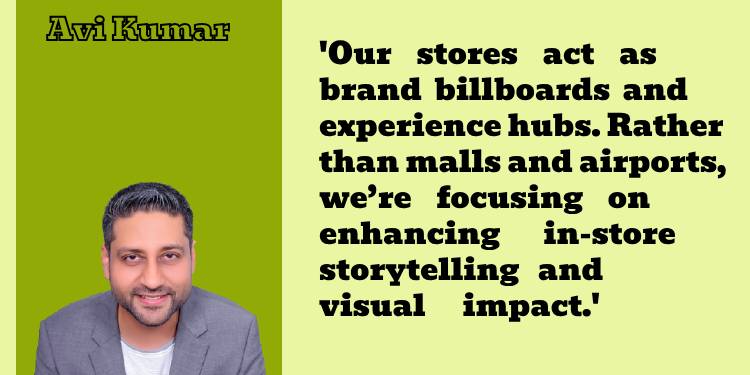
Q. Will offline marketing avenues like malls and airports play a bigger role in your strategy?
At the moment, we’re not actively exploring offline marketing in malls or airports. Our 300+ stores across the country already give us strong offline visibility, they act as brand billboards in high-footfall areas and also double up as experience centres.
For now, our focus remains on making those spaces work harder through better visual merchandising, packaging, and in-store storytelling.