This morning (8 th Oct) two seemingly unrelated pieces of news caught my attention — but together, they tell a deeper story of how our professional world is being quietly reshaped by convenience, technology, and the erosion of original thinking.
The first was about Deloitte, an audit firm that decided to partially refund its fees to the Australian government after a report it submitted was found to contain AI-generated errors and fabricated quotes. Let’s pause there. An audit firm — whose very job is to ensure accuracy, integrity, and truth — failed its own test of diligence.
It reminded me of a case earlier this year at Cannes, where an advertising agency was asked to return its award after it was discovered that its celebrated campaign had used AI-generated results and fabricated claims. I had written an article in The Mint then titled “Who Watches the Watchmen?”, questioning whether the guardians of credibility — auditors, consultants, marketers — were themselves becoming victims of automation and expedience.
The second piece of data was from a World Bank study, which reported that “substitutable” white-collar jobs in South Asia are down by 20%, even as there’s now a 30% salary premium for so-called “in-demand” skills.
But what exactly are these in-demand skills? Coding, automation, data analytics — all critical, but increasingly mechanical when untethered from intuition, ethics, or originality.
I had argued in another Mint article earlier that while AI is revolutionizing productivity and creativity, it’s also quietly eroding original thinking, especially among the younger workforce. The Deloitte episode is perhaps the inevitable result — talented young professionals armed with technical skills but divorced from the deeper human instinct of questioning, verifying, and thinking through.
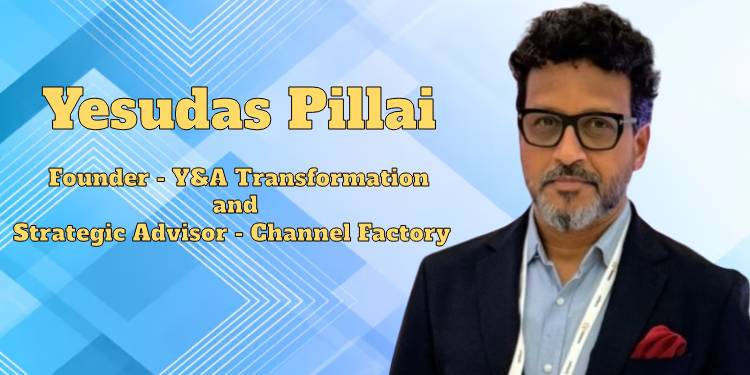
I come from a world where advisory was about intuition-led problem solving. We earned our keep by thinking for our clients.
In my early days in media planning, we would personally visit local markets to verify audience claims made by media owners before advising our clients. There was pride in diligence, and responsibility in every recommendation.
Cut to today: I see computer-generated plans that show no understanding of the client’s brand, context, or ambition. I see agencies chasing pennies, clients demanding promises detached from reality, and everyone treating marketing as a transactional sprint rather than a strategic marathon.
Worse, I see agencies overpromising to win business, media owners squeezed to breaking point, and brand custodians with little visibility beyond the next quarter. The obsession with “performance marketing” — often measured in clicks, not connections — has turned marketing into an exercise in instant gratification.
This isn’t about resisting technology. It’s about reclaiming thoughtfulness. AI can aid us — but it cannot audit our conscience. Skills can be taught — but intuition must be cultivated.
If we continue down this path, we’ll soon have a workforce that is technically capable but intellectually hollow — people who can produce, but not perceive.
Let’s be realistic — the large corporates, the procurement-driven marketing machines, and the quarterly-obsessed managers are unlikely to change. Their KPIs won’t allow it.
But owner-driven brands, those still led by people who care deeply about what their name stands for, still can. They have the freedom to put intuition back on the table — to value thinking as much as tools, to
question the easy answers, and to demand work that feels as much as it performs.
So yes, maybe it’s time for at least the owner-driven brands to remind the rest of the ecosystem that while AI can generate, only humans can genuinely think.
Because in an era where everyone is watching the data, someone still needs to watch the truth.
(Views are personal)