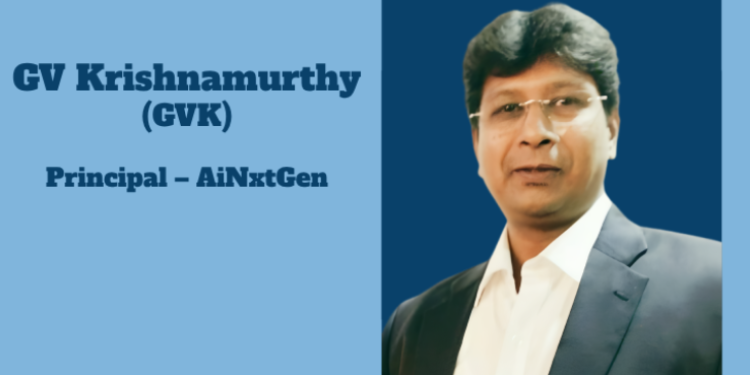
As a veteran media strategist and content mangement with over three decades of experience analysing India’s evolving advertising landscape, GVK is deeply invested in bridging the divide between legacy brand-building and today’s digital-first imperative. In this guest column, GVK argues for a recalibrated media approach, one that recognises the undervalued power of appointment viewing on traditional TV, particularly in a country where living room moments still shape culture and brand fortunes alike.
Building on the recent cultural phenomenon of the Star Vijay TV Neeya Naana Diwali special, GVK spotlights the “appointment vs. timepass” divide and why audience engagement, not just platform metrics, should guide the industry’s next moves. Drawing upon proprietary market insights, campaign learnings, and a practitioner’s lived reality, this piece delivers a playbook for advertisers and planners eager to achieve both scale and deep, lasting impact.
The Appointment vs. Timepass Divide: Why Advertisers Are Undervaluing TV’s Attention Advantage
In the relentless chase for digital clicks, we have forgotten the unparalleled power of a captive audience.
On a Diwali day, the Star Vijay TV’s Neeya Naana special did more than pull viewers to their screens. It created a moment. People planned around the show, families gathered, friends messaged each other mid-episode, and the next day conversations proved the point: this was appointment viewing in its purest form.
But the true revelation was the audience themselves. They were not just watching, they were active participants. The viewers who joined the program demonstrated an encyclopedic knowledge of the soap operas. They knew the characters’ names by heart, understood the intricacies of their roles, recalled specific dialogues, and remembered episodic storyline nuances from months ago. This was not casual viewing, this was the culmination of a deep, long-term relationship with the content, built by knowing the program schedule at their fingertips and investing time daily in these narratives.
The Proof is in the Programming
The Neeya Naana moment is not an anomaly. It is the hallmark of traditional TV content and the viewing context it creates. This is not a fight with digital. It is an argument for recognising the unique qualitative advantages of traditional TV that are too often overlooked at the expense of long-term brand building.
Research bears this out:
- TV ads generate 2.2 times greater unaided brand recall than mobile digital ads.
- TV viewers give 71% visual attention compared to just 30% on mobile platforms.
- When brands combine TV with digital, unaided recall jumps 125% higher than digital-only campaigns.
The numbers tell the story advertisers are ignoring: attention quality, not just reach quantity, builds brands.
The Fundamental Divide: Content and Viewing Context
There are two critical distinctions advertisers must grasp: the type of content and the mindset of the viewer.
A). Content: Immersive narratives vs disposable snippets
Traditional TV content
- Long-form storytelling builds layered characters, loyalty and emotional investment.
- High production value, familiar actors and cinematic sets command respect and attention.
- Shows enter the social fabric and spark water-cooler conversations.
Digital and short-form content
- Short-form snippets are designed for quick consumption and novelty.
- Production quality varies and pieces are often disposable by design.
- Viral moments are common, but sustained cultural penetration is rarer.
That said, digital is not monolithic. Some creator led content on YouTube or Instagram does build appointment like anticipation, fans waiting for a creator’s weekly episode or a live-streamed event. These formats work because they borrow TV’s playbook: sustained narratives, scheduled release, and audience loyalty. Smart brands are using these as complements to TV, not replacements.
B). Viewing mindset: Appointment vs Timepass
Appointment viewing (TV)
- The viewer plans time around the program, sits in a dedicated space, often with family, and gives focused attention.
- Ads that run in this context are part of a high attention environment.
Timepass viewing (digital) - The viewer snacks content in idle moments, multitasks and is quick to skip or scroll past ads.
- Attention is fragmented and often transactional.
The Neeya Naana Diwali special is a textbook case of appointment viewing: active, opinionated, and deeply invested audiences. In that setting ads do more than interrupt. They land.
It is worth noting that not all digital consumption is timepass. When users search with intent, looking for a product, comparing prices, ready to buy, digital excels at conversion. The distinction is this: use digital to capture demand you have already created; use TV to create the demand in the first place.
Why Advertisers Keep Missing the Point
Counting what is easy to measure has become the industry default. Clicks and short views are tidy metrics. They are not the same thing as attention or memory. A family watching their favourite soap for 30 to 45 minutes creates brand equity in ways a three second view cannot.
A few realities to underline:
India remains a TV-first market at scale. TV-viewing households number in the hundreds of millions and linear TV still reaches 58% of Indians monthly, especially in rural and semi-urban India where 75% of linear TV viewers reside. If your objective is mass-market awareness and cultural penetration, TV still scales where many digital strategies do not.
Short-form habits are real and growing, but the format trains quick swipes rather than sustained attention. Average attention span on social media now sits at 1.7 seconds. Creative needs to be matched to the context if it is to work.
Digital is not declining, but it is getting expensive and volatile. While India’s digital ad market continues long-term growth at 15-20% annually, rising customer acquisition costs and category-specific pullbacks are forcing brands to reconsider pure-play digital strategies. Even as digital maintains momentum, quarterly volatility reminds us: no single channel is sufficient.
The Halo Effect: Trust and Cultural Context
A brand that appears in a trusted TV environment inherits credibility. Advertising on a respected show is not the same as a random pop-up. In many Indian markets television moments are social rituals. When a brand becomes part of those rituals it receives a trust premium that is hard to replicate with isolated digital placements. That halo converts into real-world influence and sustained recall.
When TV ads precede digital exposure, they lift purchase intent by 18% compared to digital-only campaigns. Trust is not just a feeling. It is a measurable brand asset.[2]
OTT and Connected TV: Not the Same as Mobile Snack Content
Do not treat all non-linear video as identical. Connected TV (CTV) is growing explosively in India, adding 35 million viewers in Q1 2025 alone and now reaching 129 million active users. When OTT or CTV is watched as a living-room, lean-back experience on the big screen, it approaches the appointment advantages of broadcast TV. It combines traditional TV’s attention benefits with digital’s addressability: you get the best of both worlds.
When OTT is consumed as short sessions on phones during commutes or idle moments, it behaves like timepass content. Plan OTT and CTV with situational nuance: sometimes they amplify TV’s work and sometimes they act as another performance channel. The screen size and viewing environment matter as much as the content itself.
This is the evolution of “TV,” not its death. Addressable TV and premium CTV environments are extending appointment viewing into targetable, measurable formats. Ignoring this shift means missing the future of the medium you are trying to defend.
A Practical Playbook for Media Planners
If you want TV to do what it does best and make digital work harder, follow these moves:
Launch the hero on TV.
Premiere your cinematic, narrative-driven creative in appointment slots: primetime fiction for FMCG, live sports for automotive and telecom, festival specials for mass brands. Festivals like Diwali, major sports moments like IPL (which saw record CTV viewership in 2025), Bigg Boss finales, and regional powerhouse shows like Neeya Naana—these are where you own the cultural moment. Let the story breathe where attention is strongest.[10][21]
Cut and adapt for digital.
Use shorter edits, behind-the-scenes clips and interactive formats to retarget and convert. Digital is where you sharpen interest into action. A 30-second emotional TV film will not automatically work as a six-second mobile clip. Creative must be adapted to platform behaviour and user intent.
Plan around tentpoles.
Festivals, finales and big sports moments concentrate appointment viewing. Own the moment rather than simply buying impressions. IPL cricket, Bigg Boss, regional festival programming, and live entertainment events deliver concentrated attention at scale.
Respect context.
High-intent digital moments, search, retargeting, shoppable formats, convert because users are ready to act. Low-intent feed scrolling is where you build familiarity, not where you close sales. Match your creative and your KPI to the context.
Measure both brand and response.
Track brand lift from TV alongside conversion metrics from digital. Use brand lift studies from Kantar or Nielsen, attribution modeling, and unified measurement platforms to tie awareness to action. Tie these measures together to understand how awareness translates into action.
Conclusion: Stop Chasing Shadows, Embrace the Spotlight
The Neeya Naana Diwali special did more than get views. It commanded devotion and created shared conversation. Brands that ignore appointment viewing in favour of measurable short-term metrics are trading the main stage for a sideshow.
Traditional television, and its evolved forms in addressable TV and living-room CTV, is not nostalgia. It is a strategic tool for scale, context and attention. Digital is not the enemy. It is the amplifier and the closer. Use TV to create the canvas and use digital to paint the finer details.
What is your brand’s core story, and does your media plan give it the canvas to tell it? If the answer is no, you might be missing the living room where most of the culture still happens.
(Views are personal)