Somewhere in Hanoi, branding simmers in broth. In the hiss of hot oil, the rhythm of street vendors, and families sitting shoulder to shoulder at dusk.
What I witnessed in Vietnam was not tourism branding. It was an identity discipline.
And it raised a deeper question:
What happens when nations think like brands,
and brands begin thinking like nations?
Brands Beyond Marketing: The Emotional Core
At Seagull, when we begin the Wings for Profit brand strategy process, we begin with one question:
What is your Obvious Emotional Truth?
Not your business aspirations. Not your quarterly ambitions.
The emotional truth that your Brand must own.
Vietnam’s emotional truth revealed itself in resilience, hospitality, and memory.
As I traversed through Hanoi to the lanes of Hoi An, to Ho Chi Minh City, Vietnam’s Branding Idea: “A Nation of Memories”, was not invented. It was observed and reflected in every experience the country had to offer.
Scars reframed into strength. Progress carrying soul. And that coherence flowed into experience, tourism, civic design, and citizen behavior.
That is how brands should function.
What Brands Can Learn from Nations
Many companies grow fast. Few grow with roots. Growth without soul becomes sterile.
Nations that survive centuries understand something brands often forget:
Identity must outlast leadership cycles. Vietnam’s rituals, like its coffee culture, its street food, and its civic memorials, are not marketing stunts. They are continuity anchors.
Brands can learn this.
Ritual sustains belonging, and belonging sustains growth. If your brand scales but loses its rhythm, it fractures the identity. If it remembers its roots, it compounds trust.
When Brands Think Like Nations
A nation nurtures ambassadors organically. Diaspora communities, former citizens, global students, they all carry its story without being appointed. Brands must adopt this mindset.
Former employees, long-term customers, vendors, alumni. They are not data points. They are brand carriers. Ambassadors are discovered, not appointed.
Brands that think like nations invest in long-term emotional capital.
Coherence Across Systems
In our framework, once your Obvious Emotional Truth (OET) becomes a Branding Idea, it must flow into behaviour across Product, Pricing, Packaging, Placement, People and Promotion. Vietnam demonstrates this at scale. Its memory narrative shows up in museums, tourism experiences, cultural exports, civic architecture and hospitality behavior alike.
Nothing feels disconnected. That is systemic branding. And for companies, this means:
If you claim innovation, your culture must feel innovative.
If you claim warmth, your service must reflect it.
If you claim resilience, your leadership decisions must embody it.
Brands must behave the way nations govern.
Memory as Competitive Advantage
Marketing chases visibility. Branding builds memory. And memory builds legacy. Vietnam does not rely on spectacle. It relies on narrative depth. And therefore, the lesson for companies is profound:
The stories you choose to repeat become the legacy you leave.
Brands that think like nations, honor their origin stories, institutionalize their rituals, protect their emotional drivers and evolve without erasing identity.
Identity Discipline in a Distracted World
We live in an era of short attention spans. Nations cannot afford distraction and neither can they brand. When identity shifts with every trend, trust erodes. Vietnam’s positioning, grounded in memory and resilience, does not fluctuate with fashion.
Brands would succeed if they showed the same discipline: clarifying their emotional truth, living it through behavior, and repeating it until it becomes culture.
When nations think like brands, they become intentional about perception. When brands think like nations, they become intentional about legacy. The symmetry lies in coherence.
Both must answer:
Who are we?
What do we stand for?
What will we protect even as we grow?
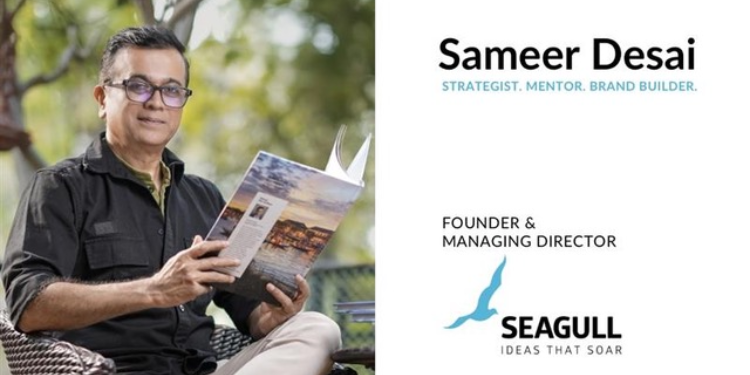
My recently authored brand book, Vietnam: A Nation of Memories, is not a travel diary. It is an exploration of how identity becomes behavior, and behavior becomes brand.
Vietnam revealed something powerful to me: nations are not accidental brands. They are living systems of memory, ritual and discipline. When these elements align, brand perception is not manufactured. It is earned.
The book attempts to decode that alignment, to observe how a country metabolizes history into resilience, culture into strategy, and memory into long-term positioning.
If you are a founder, policymaker, marketer or leader thinking about legacy, not just growth, the questions Vietnam forced me to ask may be worth asking of your own brand.
Because in the end,
Progress without memory burns out.
Growth without roots collapses.
Visibility without coherence fades.
But identity, when understood, protected and lived daily, truly endures.
(Views are personal)