According to KlugKlug, nearly three quarters of influencer marketing spends in India still flow directly between brands and creators, outside of any organised channel. Factoring this in, the industry’s actual deployment crossed ₹10,000 crore by December 2025. Yet, despite this scale, influencer marketing continues to be treated as an emerging medium that brands are still experimenting with. What they are missing is the gravitas of this sort of marketing and the subconscious space it has created for itself. Essentially, It is not emerging, it is already central and that is exactly where the problem begins.
Influencer marketing is central to how brands communicate today. It shapes consumer perception, drives purchase decisions, and, in many cases, outperforms traditional advertising in both reach and engagement. According to the Economic Times Brand Equity 2025 report, 2– 2.5 million creators in India influence 30%+ of people’s buying decisions, impacting about $350–400 billion in consumer spending. Despite its rapid growth, the influencer marketing ecosystem in India continues to face deep structural challenges.
Scale Without Structure
Influencer marketing did not grow by accident. It grew because it worked. It brought relatability into advertising, allowing brands to communicate through voices that audiences already trust. It gave creators a direct path to monetisation and allowed campaigns to feel more authentic than traditional formats. But while the industry scaled rapidly, its systems did not. Today, a significant portion of influencer marketing operates without contracts, without standardized pricing, and without clearly defined deliverables. This lack of structure creates inconsistencies at every level. Two creators with similar audience sizes can be paid vastly different amounts for similar work. Payments are delayed, and accountability is limited. The industry has grown but it has not matured.
The Creator Economy’s Blind Spot
At the center of this ecosystem are creators, the very individuals driving its growth. Creators today are not just content producers. They are businesses in their own right. They build audiences, invest in production, shape narratives, and directly influence consumer decisions. In many cases, they deliver stronger engagement and conversion than traditional advertising channels. And yet, they continue to operate without the systems that recognize and protect that value.
We have all heard of creator success stories, but those remain few. According to a Moneycontrol report, nearly 88% of Indian creators are unable to earn a sustainable full-time income from content, not because the industry lacks money, but because that money does not flow through structured and transparent systems. The absence of formal contracts, delayed payments, unclear expectations, and limited visibility into fair pricing continue to create challenges. As a result, many creators miss out on brand deals due to misrepresentation and poor access to opportunities, leading to significant income losses. This is not an individual problem, it is a systemic one that calls for agencies to rethink and improve how they operate. Recognizing this gap, Opraah launched its Creator Accelerator Programme, OP-Cap, to better support emerging and micro creators. The programme enables them to build meaningful industry connections while receiving creative guidance to develop more engaging content. At its core, OP-Cap aims to create a safer and more structured environment for new creators, helping them avoid unfair practices and grow with credibility, so that over time, success in the creator economy becomes more accessible, consistent, and sustainable for many, not just a few.
The Illusion of Efficiency
For brands, direct collaborations with creators often appear faster and more cost-effective. Without intermediaries, deals can be closed quickly, and budgets can be optimized. But this perceived efficiency is misleading. In the absence of structured systems, brands face their own set of challenges. Campaign outcomes become inconsistent. Performance measurement becomes fragmented. Scaling influencer marketing efforts becomes increasingly difficult. According to Kofluence’s 2025 report more than 60% of brands themselves acknowledge that the lack of pricing standardization is a major challenge in influencer marketing. Without benchmarks, it becomes difficult to evaluate value, compare performance, or optimize spending. What appears efficient in the short term often results in inefficiencies at scale.
An Industry That Must Confront Itself
The influencer marketing ecosystem in India has already proven its value. It has already scaled. What it has not done is organize itself. According to KlugKlug’s analysis nearly 75% of transactions happen outside formal systems, the issue is no longer fragmentation, it is avoidance. Avoidance of accountability, of standardization, and of responsibility toward the stakeholders that sustain the ecosystem. This lack of structure does not just affect creators. It impacts brands, agencies, and the long-term credibility of the industry itself. Because without transparency, trust becomes difficult to sustain. And without trust, scale becomes fragile.
What Needs to Change Now?
The industry does not need more validation. It needs correction.
1. Standardization of Pricing and Deliverables
Clear benchmarks must be established across platforms and creator categories.
2. Contractual Discipline
Every collaboration must be governed by clear agreements outlining scope, timelines, and compensation. Informality may have enabled early growth, but it cannot support long-term sustainability.
3. Payment Accountability
Delayed payments remain one of the most persistent challenges for creators. Structured payment cycles and enforcement mechanisms are critical to building trust within the ecosystem.
4. Recognition of Creators as Strategic Partners
Creators must be treated as collaborators, not just execution channels. Their role extends beyond content delivery, they are integral to brand storytelling and campaign outcomes.
5. Support for Emerging Micro and Nano Creators
While established creators often receive the spotlight, micro and nano creators also need guidance and opportunities to grow. Agencies can play a key role in helping these creators develop their skills, understand monetization strategies, and access brand collaborations, ensuring that talent at every level can thrive, rather than focusing solely on creators who are already well-known.
The Role of the Organized Ecosystem
Agencies, platforms, and creator economy companies now have a critical responsibility.They are the architects of the industry’s next phase. Their role is to bring structure to chaos, to build systems that ensure transparency, accountability, and fairness across the board. This includes standardizing processes, setting ethical benchmarks. Because if the organized segment does not address these gaps, it risks becoming irrelevant to the very industry it seeks to support.
Every high-growth industry reaches a stage where scale demands discipline. Influencer marketing in India is at that stage. The next phase will not be defined by how quickly the industry expands, but by how effectively it organizes itself. Transparency, accountability, and structure are no longer optional. They are essential for credibility and long-term sustainability.
Conclusion
Influencer marketing in India does not need validation, it has already proven its impact. What it needs now is integrity. An industry where the majority of transactions happen in the dark is not just unstructured, it is unstable, and unless that changes, the question is no longer how big this ecosystem can become, but how long it can sustain itself without addressing the structural gaps at its core.
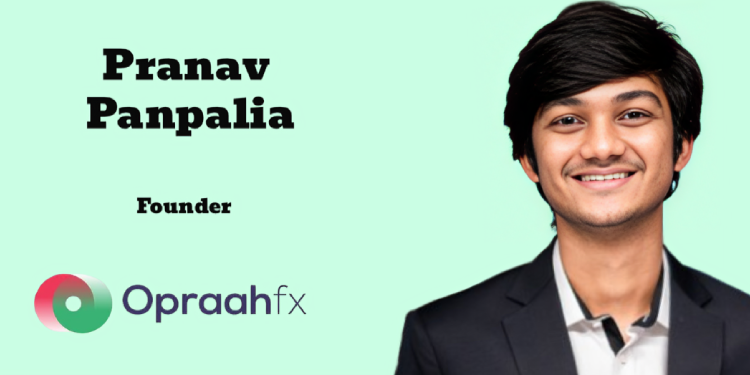
For Pranav Panpalia, the way forward is clear, building an ecosystem that is scalable, fair, transparent, and creator-first, one that truly reflects the philosophy it was built on “By a creator, for the creators.” Having been a creator himself before becoming a Co-Founder, Pranav understands the challenges firsthand. This experience gives him a close understanding of creators and their needs, making him a trusted advocate who knows how to build a creator’s credibility when connecting with brands, ensuring a system where creators can grow sustainably and brands can engage with confidence.
(Views are personal)