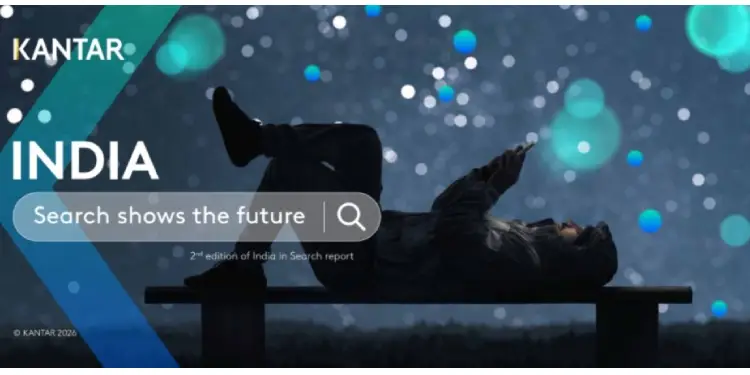
Mumbai: Kantar has unveiled the 2026 edition of its India in Search report, highlighting how India’s evolving cultural dualities are significantly reshaping consumer behaviour and demand patterns across sectors.
Anchored in the theme ‘Search shows the future’, the report analyses Google search behaviour to decode shifting cultural, emotional and consumption trends. Drawing from hundreds of validated search topics mapped to the Kantar Trend Framework, the study identifies seven cultural trajectories and eleven sectoral trends, offering insights into a nation balancing contrasts such as digital abundance and parental caution, and aspiration amid economic pressures.
The report reveals that intent-driven consumption is overtaking impulse-led behaviour across categories. Beauty searches continue to rise with a focus on science-backed efficacy, while artificial intelligence is emerging as a mainstream infrastructure layer. Simultaneously, categories such as food, health, convenience, digital safety, financial planning, and climate adaptation are witnessing steady growth, reflecting more conscious and informed decision-making.
One of the standout trends is the transformation of faith into a more personalised and tech-enabled experience. From AI-powered concepts like Mahabharat AI and Gita GPT to inclusive rituals and modern gifting trends, religion is increasingly being reinterpreted for individual expression, creating new opportunities for brands across cultural, tech, and event ecosystems.
The report also highlights the emergence of digitally supervised childhoods, where parents are actively shaping safe online environments for Gen Alpha. Rising searches for parental control tools indicate a growing demand for platforms that balance engagement with safety and trust.
Another key shift is the redefinition of ageing, with Indians in their 40s increasingly focusing on longevity, independence, and active lifestyles. Growing interest in strength training, perimenopause awareness, and senior-friendly technology underscores a move from passive ageing to capability-building.
In contrast to fast-paced digital consumption, the report identifies a rise in “slow joy,” with consumers gravitating towards tactile, effort-driven activities such as DIY hobbies and creative pursuits. This is complemented by a resurgence in offline experiences, as Indians seek real-world, social, and immersive engagements beyond screens.
The study further points to a growing exploration of identity beyond traditional institutions, with increased interest in mental health, neurodiversity, and alternative ideological frameworks. At the same time, work culture is being renegotiated, with rising concerns around burnout alongside increased interest in flexible work models and upskilling in areas like AI and machine learning.
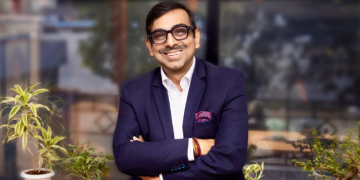
Soumya Mohanty, MD & Chief Client & Solutions Officer, South Asia, Kantar said, “Search behaviour continues to be one of the most honest signals of how India thinks, feels, aspires and adapts. This year’s findings reflect a nation negotiating multiple tensions; speed and slowness, protection and experimentation, aspiration and anxiety. For brands, the opportunity lies in understanding these cultural undercurrents and responding with empathy, intelligence, and cultural precision. The 2026 edition of ‘India in Search’ is a strategic compass for anyone seeking to decode consumer truth.”
Overall, the report positions search data as a powerful lens into India’s evolving mindset, signalling a shift towards more deliberate, conscious living where control, care, and choice increasingly define consumer decisions in an always-on world