Calcutta: The Indian Performing Right Society Limited (IPRS) has secured a landmark victory before the Calcutta High Court in its copyright dispute with Vodafone Idea Limited — marking a significant moment in the recognition and enforcement of creators’ rights in India.
The Division Bench of Hon’ble Mr Justice Debangsu Basak and Mr Justice Md Shabbar Rashidi reaffirmed the earlier findings of the Single Judge. On May 8, 2026, the court dismissed Vodafone Idea’s appeals and upheld that a separate license from IPRS is required whenever underlying musical and literary works are commercially communicated to the public — even when such works are embedded in sound recordings, except when used in the exhibition of cinematograph films in cinema halls.
The court recognised that the 2012 amendments to the Copyright Act ushered in a paradigm shift in the rights of owners of literary and musical works. It reiterated that authors, lyricists, and composers are entitled to royalties through IPRS, and that any license overriding their statutory rights is void. The court also emphasised that sound recording owners and music labels cannot issue licenses that conflict with IPRS-managed rights.
In a significant relief for India’s creative community, the Calcutta High Court ordered the release of deposits made by Vodafone Idea before the court — approximately ₹30 crores — to IPRS, subject to the outcome of the suit.
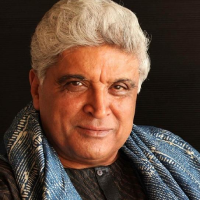
Javed Akhtar, Chairman, IPRS, said, “We are delighted with this decision and thank the Hon’ble Court for this stellar Judgement. It is a landmark moment where the rights of creators in India have been fully recognised. The court has sent a clear message that the work of authors and composers is valuable and must be fairly compensated.”
Mayur Puri, Lyricist, Screenwriter & Director and Board Member, IPRS, said, “This judgment was long overdue. It finally signals that India respects its creators and their rights to be recognised and rewarded. Hopefully, this will pave the way for a better livelihood and render the due dignity to the ever fragile artist community.”

Rakesh Nigam, CEO, IPRS, said, “This decision ensures that creators’ rights are not just words on paper but are enforceable. We welcome the court’s order and will continue to ensure that all our members are properly compensated for their creative contributions. IPRS believes in educating, informing, and reminding users to be compliant. However, in instances where music users are adamant about not obtaining a valid license, IPRS takes and will take the legal route, which is the last resort when all other avenues to encourage compliance have been exhausted.”