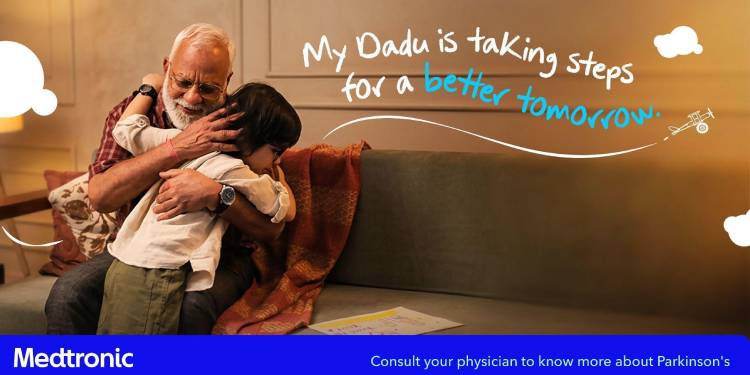
New Delhi: Medtronic has launched a new awareness campaign in India titled ‘Say Yes to a Better Tomorrow’, aimed at fostering deeper public understanding of Parkinson’s disease and encouraging conversations around the condition beyond clinical settings.
Developed in partnership with popkorn, the campaign seeks to humanise the experience of Parkinson’s by focusing on the emotional and familial realities faced by patients and caregivers.
India is currently home to more than one million people living with Parkinson’s disease, a number expected to rise with the country’s ageing population. Despite the growing prevalence, awareness and conversations around the neurological condition often remain limited to medical environments.
At the centre of the campaign is a film titled ‘Sorry Dadu’, which captures the emotional relationship between a grandfather living with Parkinson’s and his young grandson. Told through the perspective of the child, the film portrays the everyday challenges associated with Parkinson’s, including tremors and rigidity, while highlighting the emotional impact the condition has on family life.
Through relatable storytelling, the campaign aims to build empathy and awareness around Parkinson’s disease, while reinforcing the importance of timely support, treatment, and care.

Prateek Tiwari, Senior Director, Neuroscience at Medtronic, added, “At Medtronic, our Mission is to alleviate pain, restore health, and extend life. Parkinson’s disease does not only affect movement; it can gradually take away a person’s independence and their role within the family.
“Say Yes to a Better Tomorrow” is a public awareness initiative that aims to educate everyone about Parkinson’s and the treatment options that helps to manage and build a better tomorrow. When healthcare technology restores confidence and independence, it does more than treat a condition. It helps people continue to show up as the heroes their families have always known them to be.”
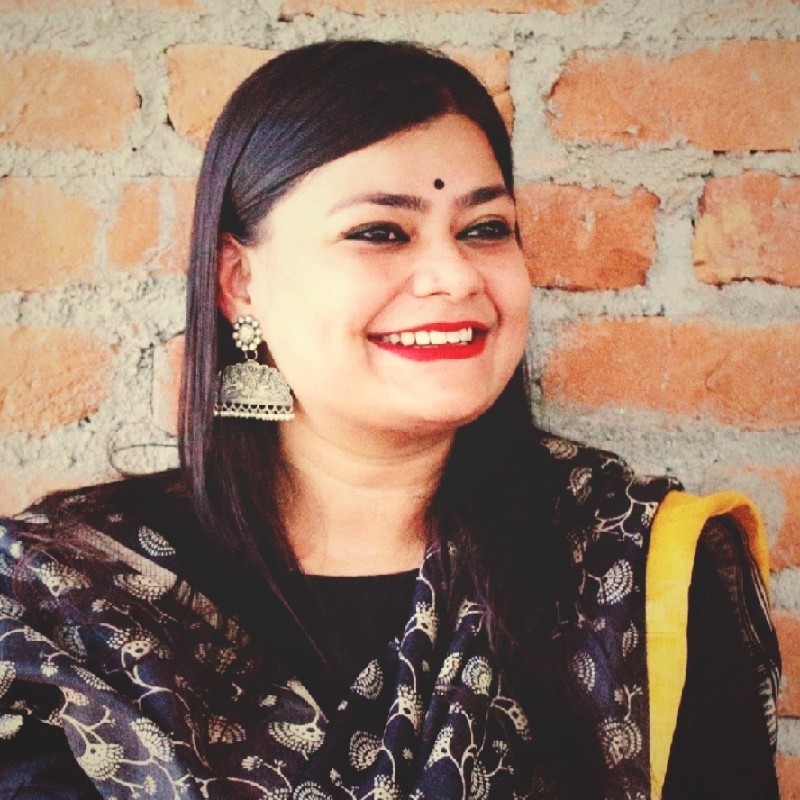
Speaking on the launch, Ritika Jaiswal, Vice President at popkorn, said, “There is a quiet, specific kind of heartbreak in watching the person who once carried you on their shoulders become the person you now have to hold up. With ‘Sorry Dadu,’ we wanted to capture that shift, the moment you realise your hero is human, and the tender, urgent race to make sure they know they’re still your world.”