For years, the concept of influencer marketing was based on a fundamental understanding: the more people that watch and read, the greater the impact. Brands sought creators with millions of followers, they thought that the more they could “scalp” the more they would gain in awareness and engagement, and the more conversions. Brands tried to “scalp” creators with millions of followers, in the hope that more followers would lead to more awareness, engagement, and conversions. But that’s faring very differently these days for creator marketing.
However, talk is no longer of audiences as big as it can be, it is about audiences as relevant as they can be.
Niche creator communities are now the real influencers in the age of digital consumers, who are more discerning, and algorithms that value meaningful engagement over vanity metrics. They might not have the number of followers of a celebrity but they have something else more important, credible, contextual relevance and trust of their audience.
The Era of Vanity Metrics Is Fading
A number of followers was previously thought to be the simplest measure of influence. However, over the years brands have come to understand that reach doesn’t always equal results. But visibility can be generated by a creator who has millions of followers, but only when that visibility is relevant, is it likely to influence purchase decisions.
Today’s consumers are very knowledgeable and alert to spam. They interact more with creators who know and are interested in what they are creating instead of those who endorse a wide range of products, but are completely different people from them.
This change is altering the approach towards creator partnerships as brands. The quality of engagement, affinity with the audience and the ability to tell a story is gaining significance more than the number of people in the audience.
Communities Drive Conversations, Not Just Content
It is the communities that niche creators build that’s where the power is. From travel, photography, cars, fitness to tech, these creators have an audience that is crazed for them to share their passion with instead of passive entertainment.
These communities can help to foster a culture of more trusted recommendations. Creators are considered as practitioners and as enthusiasts, rather than as advertisers and therefore there is greater authenticity with branded collaborations.
The notion of trust has been a fundamental part of marketing since the beginning. That trust is built by being consistent, knowledgeable and active with their audience. Thus, they have further impact than just impressions, and often lead to actions as well.
Everyone knows that story is a vital component of business. We are all familiar with the power of story in business.
Nowadays, there are thousands of marketing messages that consumers are exposed to daily. Old fashioned promotional materials often fail to come across to people, since they have learned to tune out advertisements.
Authentic Storytelling Creates Better Business Outcomes
Whether it’s showing off a camera tool, documenting a road trip, or previewing a travel destination, brands can seamlessly fit into real experiences without being intrusive. Brands can be a part of a real experience without being intrusive, whether it’s showing off a camera tool or documenting a road trip or previewing a travel destination. The brand is not just inserted into the narrative but rather it participates in the story.
Authentic stories create a deeper recall, longer viewing time and audience engagement. These are factors that can make a big difference in the effectiveness of campaigns, and for brand perception over time.
AI Makes Scale Easier, Authenticity More Valuable
From ideation to editing, campaign management to performance analysis, AI is rapidly evolving content creation in all aspects. AI makes things more efficient but also generates a lot of content vying for the attention of consumers.
Ironically, the more easily you are able to create content, the more audiences appreciate an authentic experience.
This is an interesting paradox for brands, as they are quite literally both in front of and behind the camera. While technology can be used to make distribution more efficient and help streamline the execution, authenticity cannot be automated. The story of humans, their experiences and their personal views are hard to duplicate.
Successful merger of technology and humanity will thus be the future of creator marketing.
ROI Is Becoming a Question of Relevance
Marketing budgets are increasingly being questioned and need to show more than just awareness, they need to show results. As a result, ROI is now being measured by engagement levels, conversions, audience engagement and brand loyalty.
Because niche creators are targeting a specific niche, their audience is typically more interested in specific niches and more likely to purchase the niche related products, niche creators often beat the bigger influencers in these aspects.
A traveler who is following a travel creator is more apt to take note of a recommendation for a hotel or luggage than anything else. Likewise, car fans believe in content manufacturers who carry out specialized content within their niche.
Relevance has more impact than reach, in many instances.
The Future Belongs to Curated Creator Ecosystems
The creator economy is not just a place for creators to sell products; it is a space where creators carry out a new form of business. The creator economy is not simply a marketplace for creators to sell products; it’s a space where creators conduct a new approach to business. Rather than engaging in a series of ad hoc partnerships, brands are looking to longer-term relationships with creators who have a true connection to their values and to the right audience.
It’s a change in thinking that’s needed for this evolution. Rather than asking the question: How Many People Can This Creator Reach Brands, should ask: How Many Of The Right People Can This Creator Reach?
It’s a fine line, but it is one that could make a huge difference to the results of a campaign.
With the ever-changing platforms, ever-changing algorithms, and the ever-changing digital marketing landscape that is being transformed by AI, one thing is always the same, people trust people more than promotions. It’s these three things that are the key to a niche creator’s success: belonging, expertise, and authenticity, which can’t be bought by followers’ numbers.
It’s not going to be the most out there creators who will shape the next phase of influencer marketing. It will be shaped by the most believable of them and by brands that understand relevant is what makes for meaningful influence, not scale.
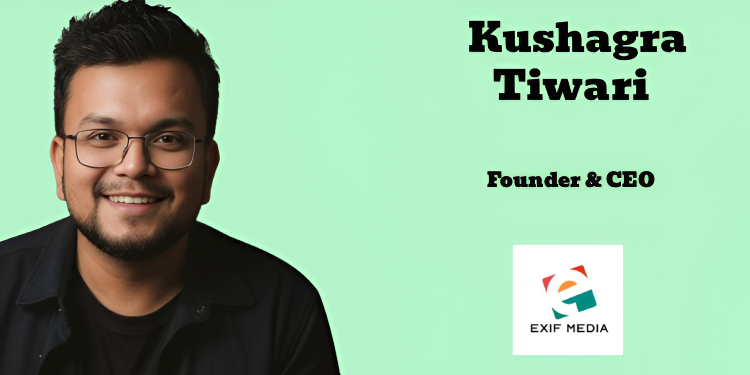
(Views are personal)