Major corporations, brand conflicts, and international media interest are all aspects of a cricket tournament outside the actual game itself. The Indian Premier League has evolved into just that. From its revolutionary beginnings, it has grown into the standard for contemporary sports marketing.
Back in the day, cricket was just a sport. It had sponsors, of course, but the way money flowed into the game was pretty straightforward. You had a handful of brands, a few big TV deals, and that was about it. Then IPL came along and flipped the script. It didn’t just change how cricket was played, it changed how cricket was sold, promoted, and packaged.
From the very beginning, IPL saw the game through a different lens. Every inch of the tournament had potential. Every break in play, every jersey worn, every boundary hit, it was all an opportunity. Sponsorships were no longer just about slapping a logo on a player’s sleeve. They became immersive, interactive, and, quite frankly, irresistible to brands.
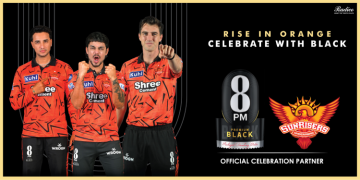
For starters, IPL didn’t just stick to the usual sponsorship deals. It created new ways to bring brands into the action. From naming rights to timeouts, everything got its own branding. Even the jerseys turned into premium real estate, packed with logos in a way that had never been seen before in cricket. Some companies even took it a step further, rather than backing just one team, they sponsored the same jersey spot across multiple teams to dominate an entire category. Smart move, right?
But here’s where it gets even more interesting. The league knew that TV was king, but digital was the future. Instead of lumping everything into one massive broadcast deal, IPL split its media rights between TV and digital platforms, giving each its own dedicated focus. This meant that while traditional broadcasters catered to the home audience, streaming services had the freedom to innovate.
When compared to other sports leagues that only show games, the IPL gave digital fans a whole new experience. The league made sure that watching games online wasn’t just sitting back; it was about being a part of the action, with tools that let fans interact with and take part in the game. Brands found their gold there. It was now possible for smaller businesses that couldn’t afford the outrageous costs of TV ads to join the IPL craze.
One thing that sets the IPL apart from other teams is how it treats its donors. IPL is all about working with businesses to give fans unique experiences instead of just getting their money and putting their name on something. Regarding the official game partner, it does more than just show ads; it also adds live match content to its website so fans can interact with it in real time. What kinds of drinks and phones do you use? They do more than just put up posters; they also plan events, activations, and engaging tasks for fans to do during games.
This kind of brand merging moves the story along. It keeps people interested and makes them feel like the story is important to them. And let’s be honest: people who feel linked do more than just watch. They take part, tell their friends, and eventually buy something.
Let’s get a little farther away now. Outside of India, the IPL has grown. The league has taken steps to make sure that cricket fans from all over the world can join. Now, games from the International Premier League can be seen all over the world, from Dubai to the US and Europe. It’s not just foreign matches that are shown. The event is meant to become famous all over the world by getting support from all over the world and working with groups from all over the world.
IPL is truly unique because it has such a huge fan base all by itself. A lot of other sports leagues are still trying to figure out how to mix old-school sports with new-school ads, but the Indian Premier League has already done it. The best thing about it is that changes are never ending.
One thing is that it just got a women’s league. The IPL joined the trend at a time when women’s sports are becoming more popular. This shows that welcoming sports environments are more important than traditional cricket leagues.
So, what should we draw from this? With the IPL, every moment of cricket is now a chance to make money. Its smooth merging of sports, entertainment, and advertising makes sure that both viewers and marketers will come back. With its unique advertising strategies and smooth digital growth, it is shaping the future of sports marketing.
And if history has taught us anything, it’s that the IPL isn’t done yet. The only question is: what will it do next?
(Views are personal)