Maya Angelou once said, people will forget what you said, people will forget what you did, but people will never forget how you made them feel.
This truth extends far beyond human relationships. It sits at the very heart of marketing. Because in the end, consumers don’t remember products, they remember experiences. And yet, most businesses are busy selling products.
The great divide, products vs brands
Every market is flooded with products. Some are functional, some innovative, some even delightful. But very few transcend into brands.
Products solve problems. Brands create meaning. Products compete on features, price, and performance. Brands compete on memory, trust, and emotion. The journey from product to brand is not accidental. It is a conscious choice.
Three Lenses, Three Outcomes
Let’s look at three real, everyday examples, each sitting at a different point on this spectrum.
1.The smart spectacle cover, insight without identity
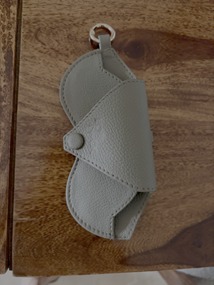
A clever product. A real problem solved. A simple yet powerful insight: when you’re wearing either your spectacles or your sunglasses, storing the other pair is always inconvenient. This solution, a stylish, loop on leather holder, addresses that
seamlessly. You bought it. You liked it. But you don’t remember the brand. And that’s the point. This is what happens when a business stops at insight → product → sale.
Soon, there will be 100 more versions of this. Each spending aggressively on performance marketing. Each fighting for a click, a conversion, a moment. But none owning memory, as they never invested in identity, recall, or relationship
2. Flexnest: A good product, A missed moment
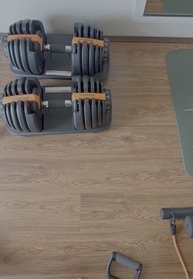
Now consider Flexnest. Well-designed. Functional. Recommended. Purchased. Even supported well, when a mechanical issue arose, their team shared a solution video that worked. Everything was correct. And yet, the brand didn’t stay. You had to check the name while writing about it. Why?
Brands are not built in moments of transaction, they are built in moments of care. A simple follow up message, “Hope your issue is resolved. Let us know if you need anything else.”
That one small act could have shifted Flexnest from being a product you used, to a brand you remembered. The gap between product and brand is often just one thoughtful interaction.
3. Borges, when product meets emotion
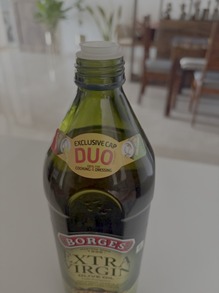
A category as intimate as food, something that enters your body, your home, your rituals. A simple but powerful observation, oil spills while pouring are inevitable, messy, and annoying.
Their solution? A redesigned cap that eliminates spillage. That’s not just innovation. That’s respect for the consumer’s daily experience. Now layer that with context, cooking, prayer, home.
This is no longer just about olive oil. It becomes part of a routine. A ritual. A feeling. And suddenly, recall is automatic. You don’t just use Borges. You trust it. So What Separates the Three?
All three started with insight. But only one moved beyond function into feeling.
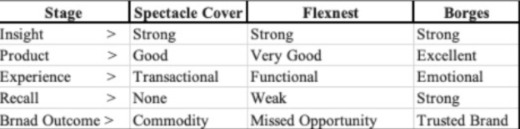
What brands must do
1. Go beyond the first sale, performance marketing can get you customers. It cannot build brands.
2. Design for memory, not Just utility, the question is not “Does this work?” It is “Will this be remembered?”
3. Own the small moments, A follow-up message. A thoughtful touchpoint. A human response. These are not costs, they are brand investments.
4. Operate in context, not isolation, Borges didn’t just solve for pouring oil. It solved for a moment in a consumer’s life.
5. Consistency over campaigns, brands are not built through bursts. They are built through behaviour.
What brands must avoid
- Treating consumers as transactions
- Over relying on discounts and performance marketing
- Ignoring post purchase experience
- Building features without building meaning
- Assuming a good product is enough
The real truth
Most products never become brands because their owners never intend them to. They optimise for sales, not for memory. For efficiency, not for emotion. And in doing so, they remain replaceable.
Let’s remember, every product solves a problem. But only a brand earns a place in someone’s life. The difference is not in what you sell. It’s in what you make people feel, before, during, and long after the purchase. And that is a choice every business makes.
-(views are personal)