Mumbai: The country’s creator economy is entering a more formalised phase, with content creation increasingly shifting from independent platforms into structured organisational roles, according to new data released by Indeed.
The report reveals that the share of job postings in India requiring content creation skills — including roles such as content creators, influencers, and related marketing and social media positions — has surged by 919% between 2020 and early 2026. The findings indicate that creator-led hiring has evolved from a niche category into a more integrated part of the marketing workforce.
According to the data, creator-focused roles accounted for roughly one in every 1,000 marketing jobs in 2020. Today, they represent nearly one in every 100 marketing jobs, highlighting the rapid shift by companies from one-off influencer collaborations towards more structured and embedded creator hiring models.
The report also notes that the growth in creator hiring coincides with India’s increasing policy recognition of the creator economy, further signalling the sector’s transition into a more organised and scalable ecosystem.
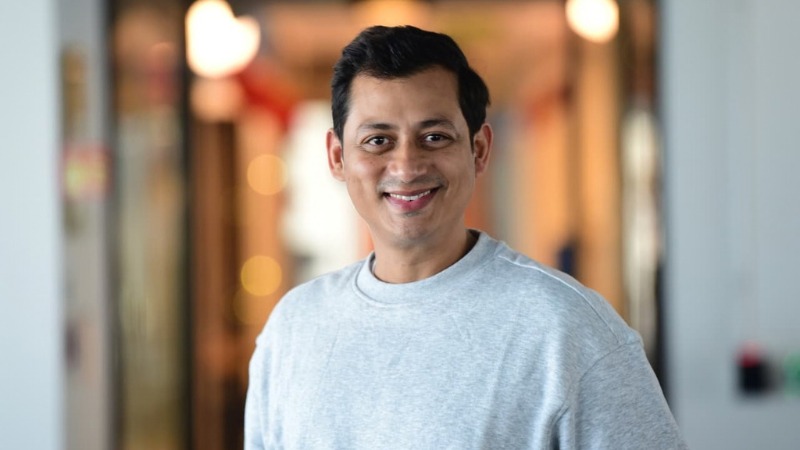
Commenting on the trend, Saumitra R Chand, Career Expert at Indeed, said, “When a creator represents your brand, trust is your biggest asset and your biggest risk. That’s why companies are moving fast to bring creators in-house. Our data shows a massive surge in formal creator roles because employers aren’t just looking for reach anymore; they’re looking for accountability.”
The report further highlights that creator-related roles are becoming increasingly multidisciplinary. Between March 2025 and February 2026, around 40% of creator-related roles were directly classified as influencer positions. However, a larger share was embedded within broader marketing functions, including 20% marketing executive roles and 17% marketing intern positions.
The remaining positions spanned areas such as video production, community management and content operations, indicating that companies are building integrated content ecosystems rather than depending solely on individual influencers.
Eshaanya Maheshwari, who has 1.6 million followers on Instagram, said, “With more recognition for creators and recent policy moves, there’s a lot more clarity and trust in how things are done. And as everything becomes more structured, it just makes it easier to think bigger and plan for the long term”.
The formalisation of creator roles is also reshaping expectations around performance and accountability within organisations.
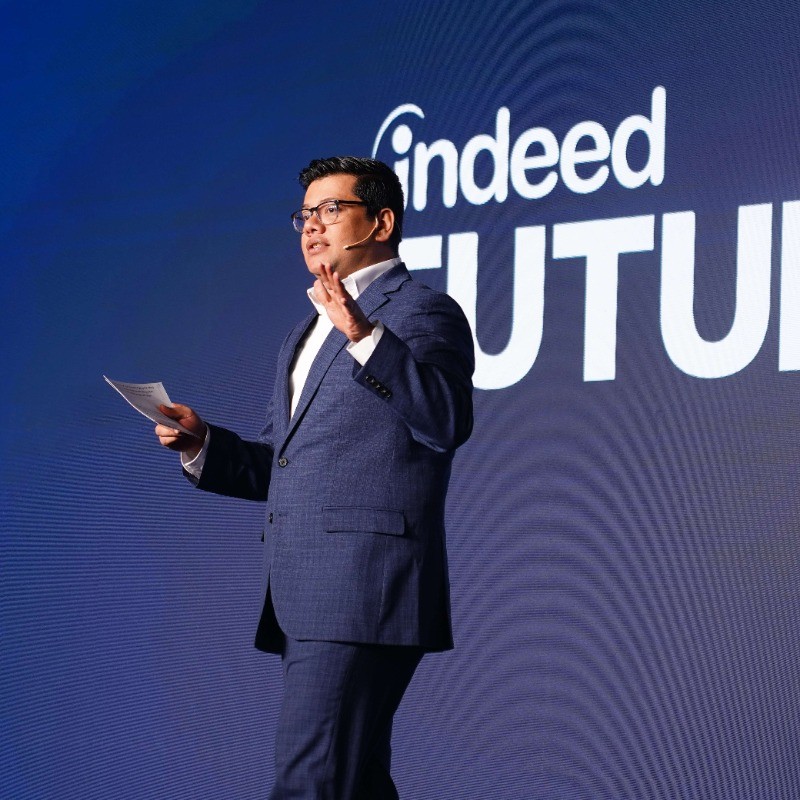
“What’s changing is not just where creators work, but how they are evaluated,” said Rohan Sylvester, Talent Strategy Advisor, Indeed India. “As creators move into formal organisations, the expectations are shifting toward measurable outcomes, whether that’s audience engagement, conversion, or brand consistency. This is creating a more performance-driven environment, where creators are expected to operate with the same clarity and accountability as other business functions”.
The study is based on Indeed job posting data in India between 2020 and early 2026, focusing on roles featuring terms such as “content creator” and “influencer”, along with related marketing and social media functions.