Mumbai: mFilterIt, a Made-in-India digital trust and fraud prevention company, has released its latest Ad Fraud Intelligence Report, highlighting the evolving nature of ad fraud and urging marketers to adopt full-funnel intelligence to safeguard performance and brand reputation.
The report finds that even premium and brand-safe environments remain vulnerable to AI-driven fraud, which imitates real user behaviour and bypasses rule-based verification, causing nearly 12% of marketing spend to leak into invalid traffic. It underscores that traditional reliance on metrics such as viewability, clicks, CTR, and installs no longer ensures genuine engagement.
It also reveals contaminated retargeting pools and gaps in contextual brand safety, emphasizing the need for independent oversight and a holistic approach to media trust. The report positions fraud not as isolated incidents but as a connected system impacting branding, performance, and attribution across the funnel.

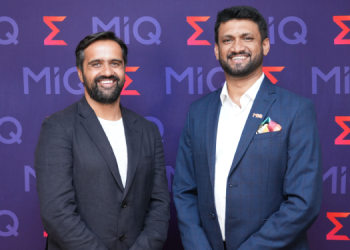
Amit Relan, CEO and Co-founder, mFilterIt, said, “The real risk in digital advertising is not fraud itself, but the illusion of clean data. Marketers must treat trust as a performance metric alongside efficiency. The report identifies the shifts needed for brands to operate confidently in an AI accelerated ecosystem, where traditional measures no longer reflect true engagement. It highlights how adopting robust validation, multi-signal intelligence and context-led decision making can safeguard both performance and brand reputation.”

Dhiraj Gupta, CTO and Co-founder, mFilterIt, added, “Fraud today mirrors human behaviour at scale, making traditional rule-based systems obsolete. The future of digital advertising lies in behavioural, contextual and full-funnel intelligence. mFilterIt’s role is to illuminate the risks the industry has long normalised, helping marketers and platforms move beyond outdated assumptions and adopt strategies that ensure both authenticity and performance across the ecosystem.”
The report calls for full-funnel validation, multi-signal intelligence, and context-led decision making, positioning ad fraud as a strategic business risk rather than merely a media issue. It underscores mFilterIt’s role as a custodian of digital trust, linking media trust, brand trust, and financial trust, and sets the benchmark for transparency, accountability, and independent oversight in 2025.
This launch reinforces the urgency for marketers and platforms to rethink ad fraud detection, adopt advanced intelligence frameworks, and prioritize sustainable growth in an AI-driven digital ecosystem.