India’s digital advertising scene is evolving fast, so fast that it might actually outpace more mature markets when it comes to outcome-driven campaigns. While advertisers in the West are still grappling with legacy systems and slow pivots, India jumped straight into digital advertising when the infrastructure was already built for it: programmatic buying, real-time bidding, and hyper-precise targeting tools were there from the get-go.
Three Factors Powering the Shift
1. A massive, young digital audience. With over 600 million smartphone users, most under the age of 35, India is home to one of the most digitally active populations in the world. This isn’t a market where digital adoption has to be pushed; it’s already part of daily life.
2. The cheapest data in the world. Affordable and lightning-fast mobile internet has fueled a culture of nonstop engagement. Hours spent online translate into more opportunities for brands to reach audiences and measure real outcomes.
3. Seamless digital payments. The rise of UPI has created a system where purchases are tied directly to digital behavior. This means advertisers don’t just reach audiences, they can track the full customer journey from exposure to transaction with unprecedented clarity.
Put these together and you get the perfect playground for outcome-driven models: advertisers can measure, optimize, and scale campaigns in real time, while consumers are comfortable transacting digitally at every turn.
Affiliate Marketing: Growing at Lightning Speed
India’s affiliate marketing market has exploded faster here than in many Western countries. With so many people comfortably shopping online, brands are rewarding affiliates based on actual sales and leads not just clicks or eyeballs.
This is a win-win. Advertisers reduce wasted spend, while affiliates are incentivized to drive meaningful action. The model resonates strongly with India’s pragmatic business culture: if you’re spending money, you want to see tangible returns.
Pay-for-Performance Is Becoming the Norm
More and more, advertisers want to pay only when something tangible happens like a download, a truly qualified lead, or a sale. This pay-for-performance mindset is standard now, driven by the need for cost efficiency. With marketing budgets under scrutiny everywhere, having campaigns that directly tie spend to results just makes sense and it’s catching on fast.
Influencers Tied Directly to Sales
Another area undergoing a dramatic shift is influencer marketing. Until a few years ago, campaigns were judged largely by vanity metrics, likes, shares, and follower counts. But today, thanks to affiliate links, shoppable posts, and tracking technology, creators are increasingly held accountable for conversions.
This is a sign of market maturity. Engagement still matters, but advertisers are no longer satisfied with awareness alone, they want to see direct impact on revenue. Creators, in turn, are embracing this, tailoring content that blends authenticity with conversion-driven storytelling.
What’s helped fuel all this? India’s startup and brand world loves to experiment. They change course quickly based on what the data says, sometimes in just days. Government initiatives like UPI have also raised the bar, pushing for transparency and accountability, and those expectations naturally spill over into advertising practices.
Here, the line between brand marketing and performance marketing is getting blurrier by the day. Campaigns focus on both emotional connection and solid business impact, constantly optimized in real time with clear, transparent metrics. In contrast, Western markets are still having these conversations; India’s already made them standard practice.
Outcome-based advertising isn’t some trend in India; it’s fast becoming how the game is played. Looking ahead, the rest of the world will probably be watching India’s affiliate, performance, and commerce-linked ad models for clues on the future.
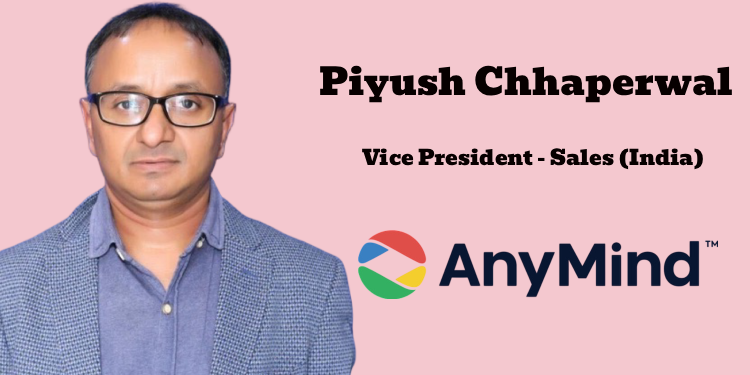
At AnyMind Group, we see this transformation every day. It’s pretty clear: India’s not just catching up, it’s out front, helping to shape what advertising will look like globally.
(Views are personal)