New Delhi: Urban Indians continue to display strong confidence in both the country’s direction and economic outlook, according to the latest Ipsos What Worries the World report for May 2026.
The report reveals that 73% of urban Indians believe the country is moving in the right direction, while 78% remain positive about the economy, positioning India among the most optimistic markets globally.
India joins a select group of countries with high levels of public confidence, alongside Singapore (81%), Malaysia (70%), and Hungary (62%), reflecting sustained optimism despite ongoing global economic uncertainty.
The findings stand in sharp contrast to the broader global sentiment. Across 30 markets surveyed, only 39% of respondents believe their country is heading in the right direction, while just 37% express confidence in their economies. In many regions, pessimism continues to dominate public sentiment.
France emerged as the least optimistic market, with 88% of respondents believing the country is moving in the wrong direction, highlighting growing dissatisfaction across parts of the developed world.
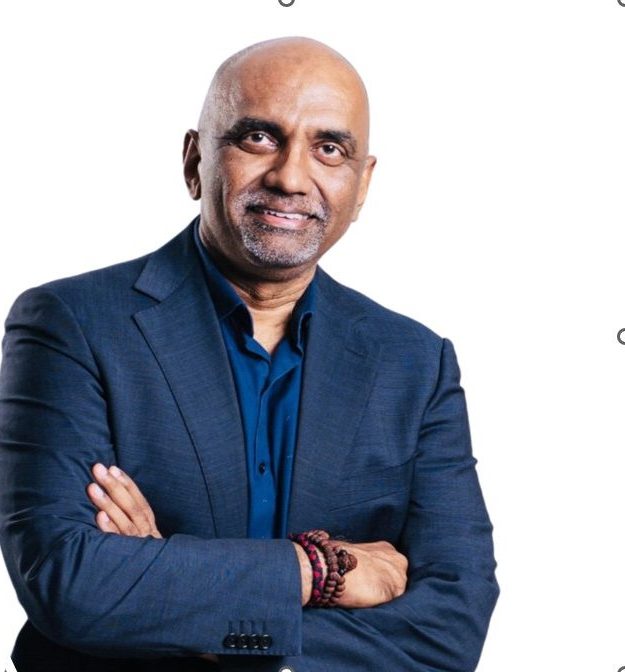
Commenting on the findings, Suresh Ramalingam, CEO, Ipsos India, stated, “The findings point to a sustained confidence among urban Indians in both governance frameworks and economic direction. This reflects not only institutional stability, but also the resilience and adaptability of citizens in navigating a complex global environment.
The findings suggest that while citizens remain cautious, there is a degree of trust in the steps being taken to protect their interests,”
The study also highlighted the key concerns shaping public sentiment in India.
Within India, respondents identified unemployment, financial and political corruption, crime and violence, education, and persistent poverty and social inequality as the most pressing issues. The report noted that employment concerns continue to be influenced by broader geopolitical developments and their impact on job security.
Globally, inflation remains the dominant concern, followed by crime and violence, unemployment, poverty and social inequality, and financial and political corruption.
The findings suggest that while India’s concerns remain closely linked to employment and domestic economic pressures, global sentiment continues to be shaped more heavily by inflation and cost-of-living challenges.
Adding further perspective, Suresh Ramalingam said, “The findings show that public concern in India is closely aligned with lived experience, especially around jobs, corruption and financial pressures. These are local challenges, but perceptions are clearly influenced by shifts in the global environment,”
The findings are based on Ipsos’ Global Advisor survey conducted between April 24 and May 8, 2026, covering 30 markets globally. In India, the study surveyed 1,000 adults and reflects the perspectives of the country’s more connected urban population segment.
The report underscores that despite growing concerns around employment and affordability, India continues to remain one of the world’s most optimistic markets in terms of economic and national outlook.