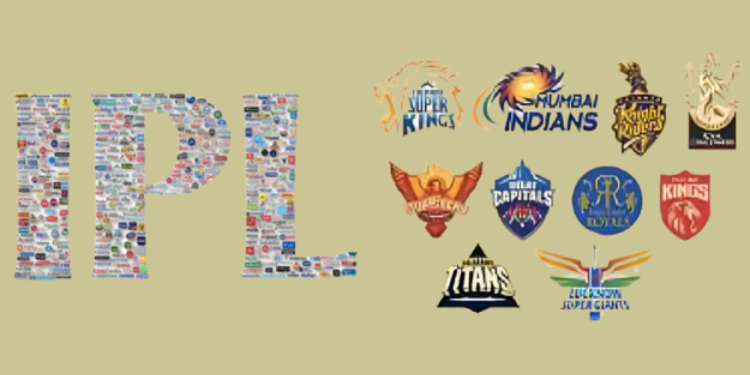
Mumbai: IPL 2026 is once again highlighting the league’s transformation into a multi-billion-dollar sports business ecosystem. With advertising revenues expected to touch ₹4,900–₹5,200 crore and participation from over 25 sponsors across FMCG, technology and fintech categories, the season reflects sustained commercial momentum. Supported by media rights valued at over ₹48,000 crore and rising franchise valuations, the IPL continues to attract both advertisers and global investors. At the same time, franchises have evolved into powerful marketing platforms, with leading teams onboarding upwards of 30 brand partnerships each—signalling the growing importance of team-level monetisation within the league’s larger business model.
The Emergence of Team Sponsorship as a Revenue Pillar
According to the “Advertising on Cricket – A Compelling Playbook” report by Synchronize India in collaboration with Unomer, team sponsorships have steadily grown into a significant contributor within the IPL’s ₹1.65 lakh crore ecosystem.
Over the past 18 seasons, franchises have moved beyond their identity as cricket teams to become structured commercial entities offering multiple brand integration opportunities. Unlike spot advertising, which is restricted to limited airtime, team sponsorships ensure continuous visibility throughout the match and across platforms. This persistent presence has made team sponsorship a preferred route for brands seeking sustained recall and deeper consumer engagement. The evolution of this model reflects a broader shift in IPL’s monetisation strategy—from transactional advertising to long-term brand association.
Scale and Structure: The ₹1,300 Crore Sponsorship Economy
The scale of team sponsorship economics became particularly evident in IPL 2025, when revenues from this segment alone reached approximately ₹1,300 crore, with every available jersey position across franchises fully monetised.
Each team offers a wide inventory of branding assets, ranging from front-of-jersey placements to sleeves, helmets and training kits, collectively creating over 100 sponsorship positions across the league. This structured inventory has enabled franchises to maximise monetisation while offering brands varying levels of visibility based on investment size. What distinguishes this ecosystem is the depth of brand participation—many advertisers are no longer limiting themselves to a single team but are expanding across multiple franchises to maximise reach. At the same time, others are selectively associating with specific teams to target regional markets, demonstrating the flexibility and scalability of the sponsorship model.
Why Brands Are Shifting to Team-Led Integration
A key driver behind the growth of team sponsorships is the qualitative difference in brand exposure. Unlike traditional advertising, which competes within cluttered commercial breaks, team sponsorships integrate brands directly into the live sporting experience. This results in continuous on-screen visibility during gameplay, stronger association with team identity, and higher recall driven by repeated exposure.
The report highlights that central and team sponsors consistently achieve superior visibility outcomes compared to advertisers relying solely on spot buys, reinforcing the shift towards ownership-led branding strategies.
Additionally, franchises today offer a broader ecosystem that extends beyond match-day visibility. Brands benefit from digital amplification through social media, on-ground activations, and content integrations, effectively turning team partnerships into multi-platform marketing collaborations. This has transformed IPL teams into year-round media assets rather than seasonal sports properties.
Premiumisation, Competition and the Road Ahead
As demand for team sponsorships has intensified, so has the premium attached to high-visibility assets. Front-of-jersey placements have emerged as the most sought-after inventory due to their maximum screen time and prominence, while the complete sell-out of sponsorship slots in IPL 2025 indicates growing competition among brands.
This increasing demand is gradually shifting pricing power towards franchises, enabling them to command higher valuations for premium assets. At the same time, the ecosystem continues to evolve in response to external factors. Regulatory changes, particularly in sectors such as online gaming, may impact certain high-spending categories in the short term. However, the IPL’s diversified advertiser base ensures that new sectors—including FMCG, fintech and consumer technology—continue to step in, maintaining the momentum of sponsorship revenues.
Looking ahead, team sponsorship economics is expected to deepen further as franchises invest in digital content, fan engagement and global brand building. This evolution will not only expand sponsorship opportunities but also enhance returns for advertisers by extending visibility beyond match broadcasts.
The rise of team sponsorships marks a fundamental shift in IPL’s commercial structure. What was once a supplementary revenue stream has now become a central pillar of the league’s monetisation strategy.
As IPL 2026 demonstrates, franchises are no longer just participants in a sporting event—they are integrated media platforms that combine visibility, engagement and brand storytelling at scale. In an increasingly fragmented media landscape, this ability to deliver both reach and emotional connection positions team sponsorships as one of the most powerful growth drivers within the IPL ecosystem.