New Delhi: The Ministry of Information and Broadcasting (MIB) has released the draft Telecommunications (Television, Radio and Associated Services) Rules, 2026, proposing a comprehensive regulatory framework for television, radio and related broadcasting services under the Telecommunications Act, 2023.
The draft, published for public and inter-ministerial consultation, aims to bring multiple broadcasting segments under a single set of rules, replacing the fragmented regulatory approach that has evolved over the years. Stakeholders have been invited to submit comments and suggestions by July 27, 2026.
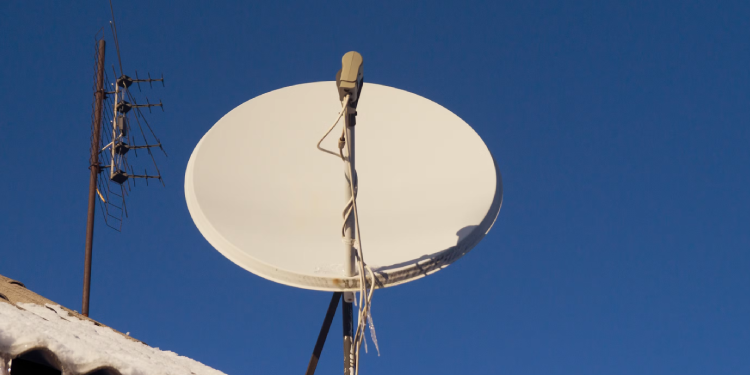
According to the ministry, the proposed framework consolidates existing guidelines governing satellite television channels, Direct-to-Home (DTH) platforms, Headend-in-the-Sky (HITS) operators, IPTV services, private FM radio stations and community radio broadcasters. The move is intended to simplify compliance requirements and enhance ease of doing business across the broadcasting ecosystem.
A key provision in the draft rules mandates that authorised television channels broadcast content related to national importance and social relevance for a minimum of 30 minutes each day between 6 a.m. and 11 p.m. The proposed themes include education, health and family welfare, agriculture and rural development, science and technology, environmental protection, cultural heritage, welfare of women and weaker sections, and national integration.
The ministry has proposed flexibility in implementation, allowing the Central Government to exempt specific channels from this requirement through notification.
The draft framework also introduces stricter operational requirements for television broadcasters. Channels will be expected to remain continuously operational throughout the validity period of their authorisation. Broadcasters whose channels remain off air for more than 60 consecutive days must inform the government and explain the reasons for the interruption. If a channel remains non-operational for over 90 continuous days, its authorisation would automatically be treated as withdrawn unless the disruption results from a government directive.
For private FM radio operators, the proposed rules prescribe a minimum of one hour of programming every day dedicated to themes of national importance and social relevance. Additionally, broadcasters would be required to ensure that at least 20% of their daily programming consists of local content. Private radio services would continue to operate on a free-to-air basis.
The draft rules establish separate authorisation categories covering television channels, channel distribution platforms, teleports, television news agencies, private radio services and community radio stations. They also set out eligibility norms, validity periods, security requirements, reporting obligations, operational conditions and renewal procedures for each category.
The proposed framework represents one of the most significant regulatory overhauls for India’s broadcasting sector in recent years, aligning the industry’s licensing and operational regime with the broader telecommunications framework introduced under the Telecommunications Act, 2023.
The ministry said the consultation process is aimed at gathering industry feedback before finalising the rules, which are expected to shape the future regulatory landscape for broadcasters and distribution platforms across the country.